
Compare materials · 7 min read
Engineered hardwood vs luxury vinyl: which suits which room
Compare water resistance, real wood, future repairs and condo sound before choosing a floor for your Naples home.

Reviewed by Cedric Eckenrode, ownerUpdated November 2026
The short answer
Choose engineered hardwood for living rooms and bedrooms, where real grain and future refinishing matter. Choose luxury vinyl (LVP) for rentals and busy family rooms with constant spills; it is water-resistant, not waterproof. On a Naples slab, the moisture reading and any condo sound rule come first. ProFloors & Cabinets shows both side by side at its North Naples showroom.
In a luxury Naples home, we recommend real wood.
Compare what matters in your rooms.
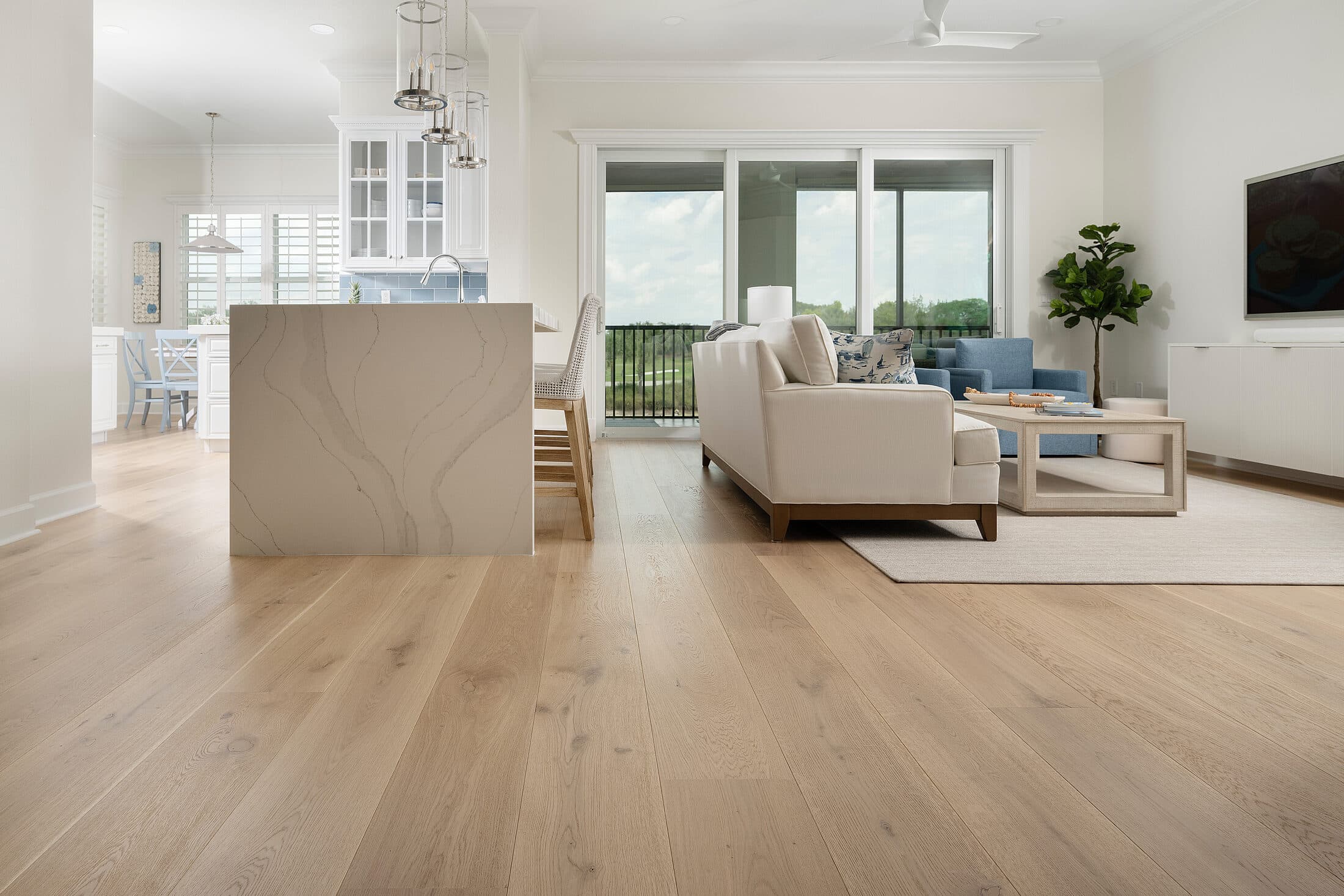
Engineered hardwood is real wood: a wood wearing surface over a layered core. Luxury vinyl is a wood look made in a different material. So the question is simple. Do you want real grain you can renew, or a tough wood look that handles spills? COREtec luxury vinyl is one of the two vinyl lines on the showroom floor.
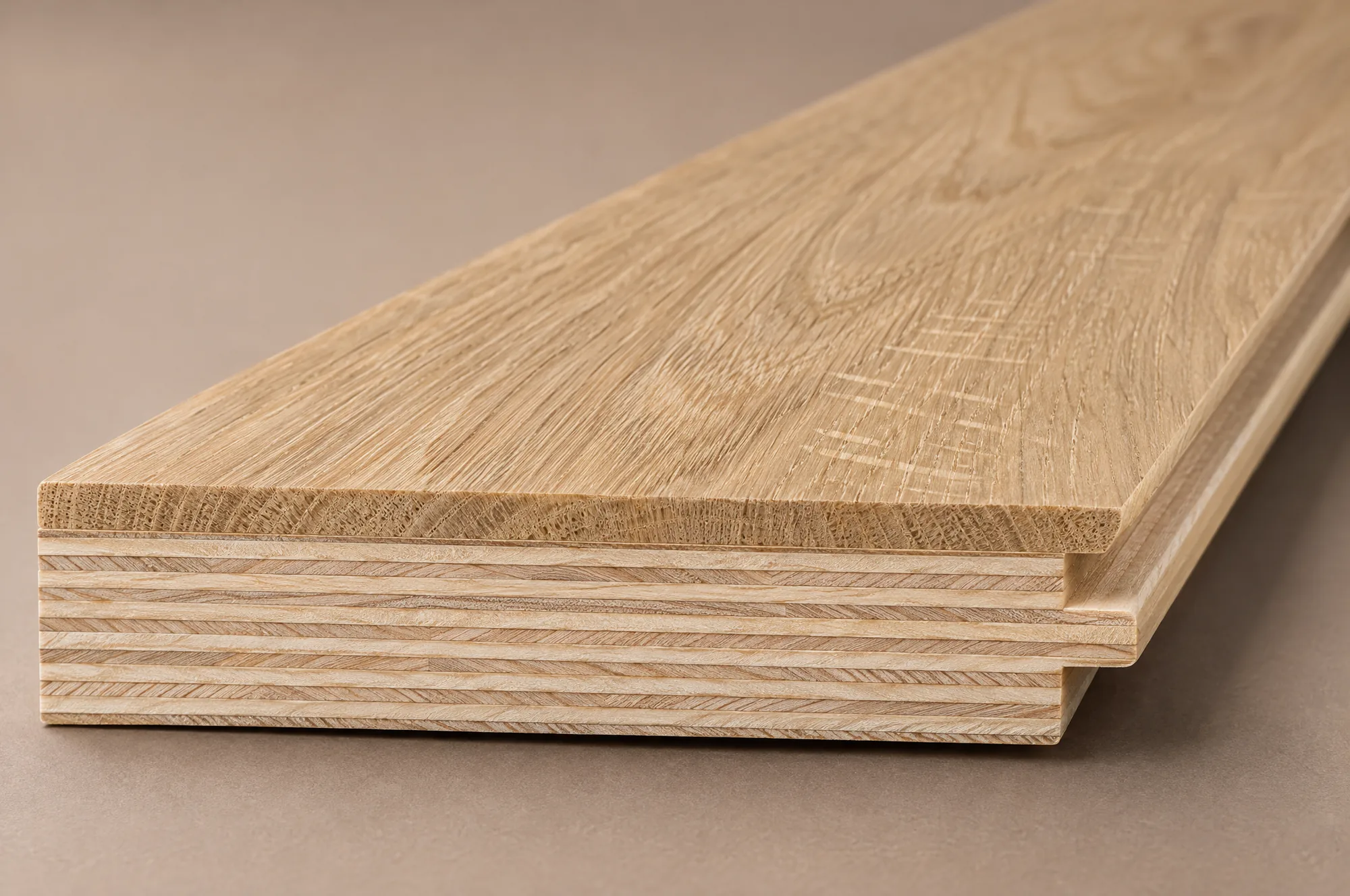
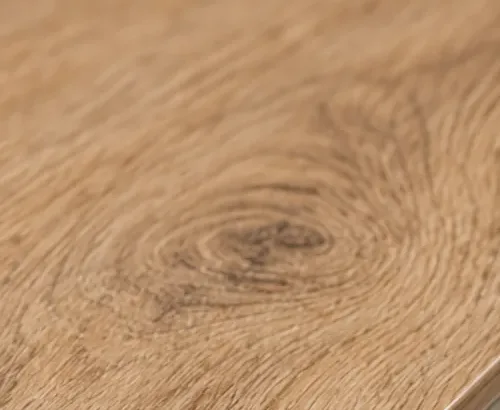
Luxury vinyl plank
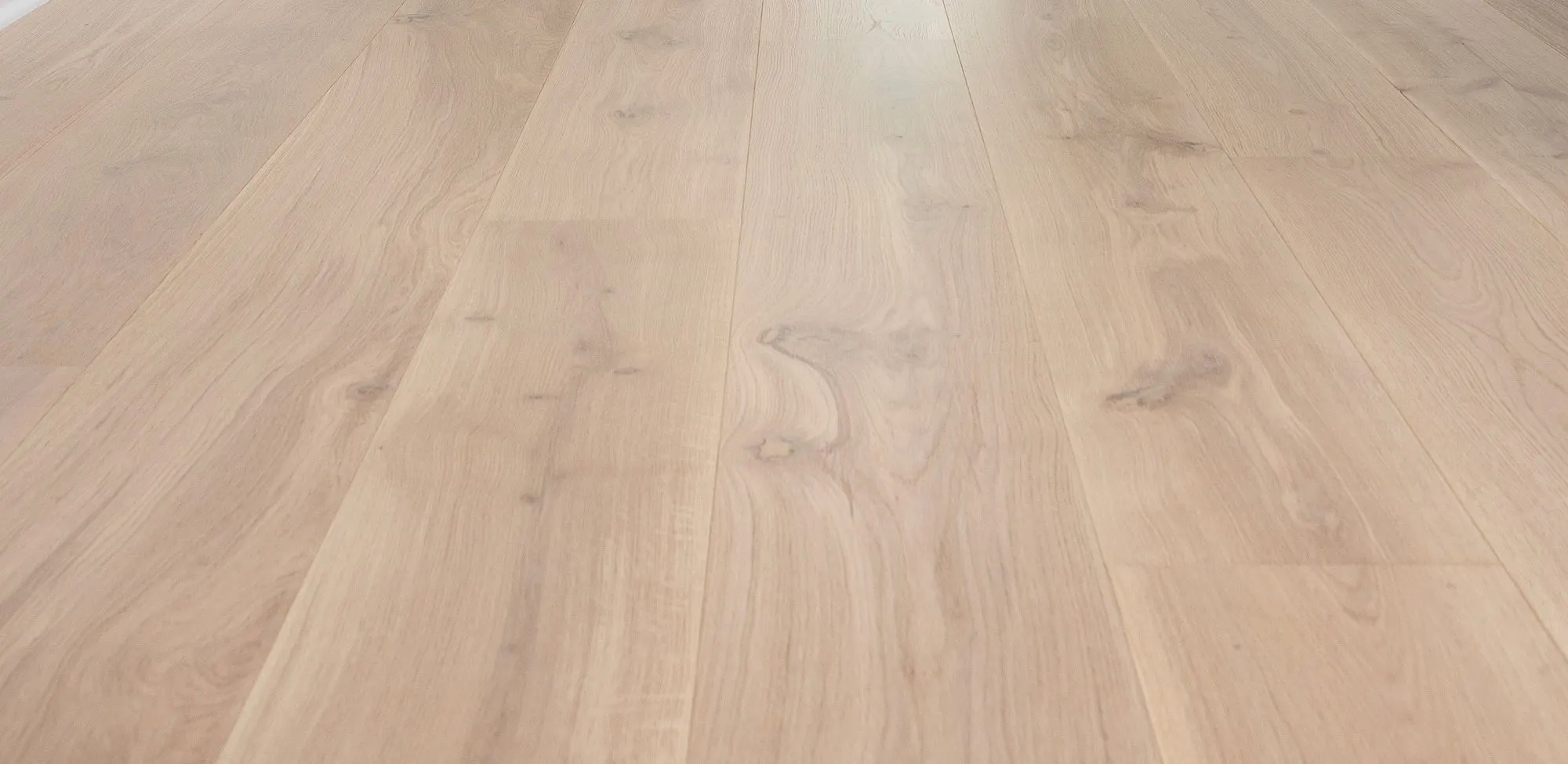
Engineered hardwood
Visible surface
Luxury vinyl plank: A wood image in vinyl. Look for repeating boards and flat texture.
Engineered hardwood: Real wood. Grain, knots, grade and finish set the look.
Water exposure
Luxury vinyl plank: Handles surface spills. Standing water and slab moisture are its limits.
Engineered hardwood: Wipe spills promptly. Keep it out of rooms that stay wet.
Concrete slab
Luxury vinyl plank: Needs a flat, dry slab inside the product’s moisture limits.
Engineered hardwood: Glued to the slab after a moisture reading; some adhesives also act as a moisture barrier, depending on the product and the slab reading.
Renewal
Luxury vinyl plank: Cannot be sanded. A damaged plank gets replaced.
Engineered hardwood: Can be recoated, and sanded when the wear layer (the real-wood top layer) allows.
Condo sound
Luxury vinyl plank: Rated as part of the full floor-and-ceiling assembly.
Engineered hardwood: Same: the adhesive or underlayment and the building all count.
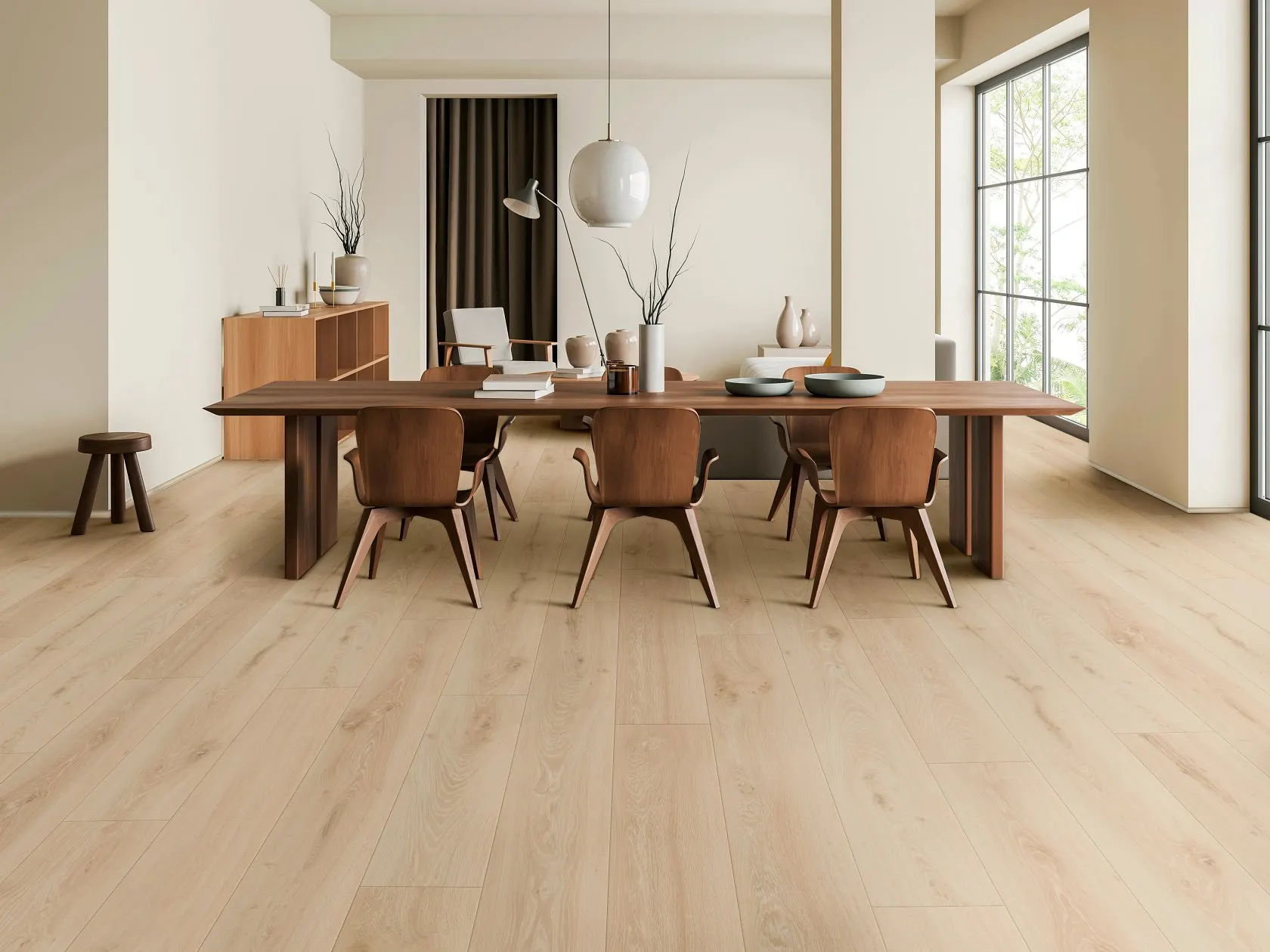
In a living room where the floor is part of the design, choose engineered wood. Judge it by grade, knots and finish against the furniture you are keeping. If you are weighing vinyl, step back from the sample and check for repeating patterns and flat texture. Karndean luxury vinyl, in wood and stone looks, is the other vinyl line to compare.
Separate spills from moisture below.
Luxury vinyl is water-resistant, not waterproof. It handles a spilled glass of water. It does not solve moisture rising through the slab. The Resilient Floor Covering Institute (RFCI) explains that excess concrete moisture can damage adhesives and their bond. Any leak history comes out before either floor is ordered, and unresolved slab moisture is fixed before the concrete is covered.
Engineered wood handles normal life: wet feet at the lanai door, a pet bowl, a kitchen spill wiped up. It does not belong where water stands. Put porcelain tile in showers and rooms that stay wet. If you want the rooms to connect, carry the wood tone into a coordinated tile instead of stretching the wood.
Make the slab part of the choice.
Most Naples homes sit on a concrete slab, so the slab decides as much as the sample does. For wood on a slab, we sell engineered wood, glued to the concrete after a moisture reading. Compare both floors on the same room plan, with the installation method, preparation, removal and finished height written out for each.
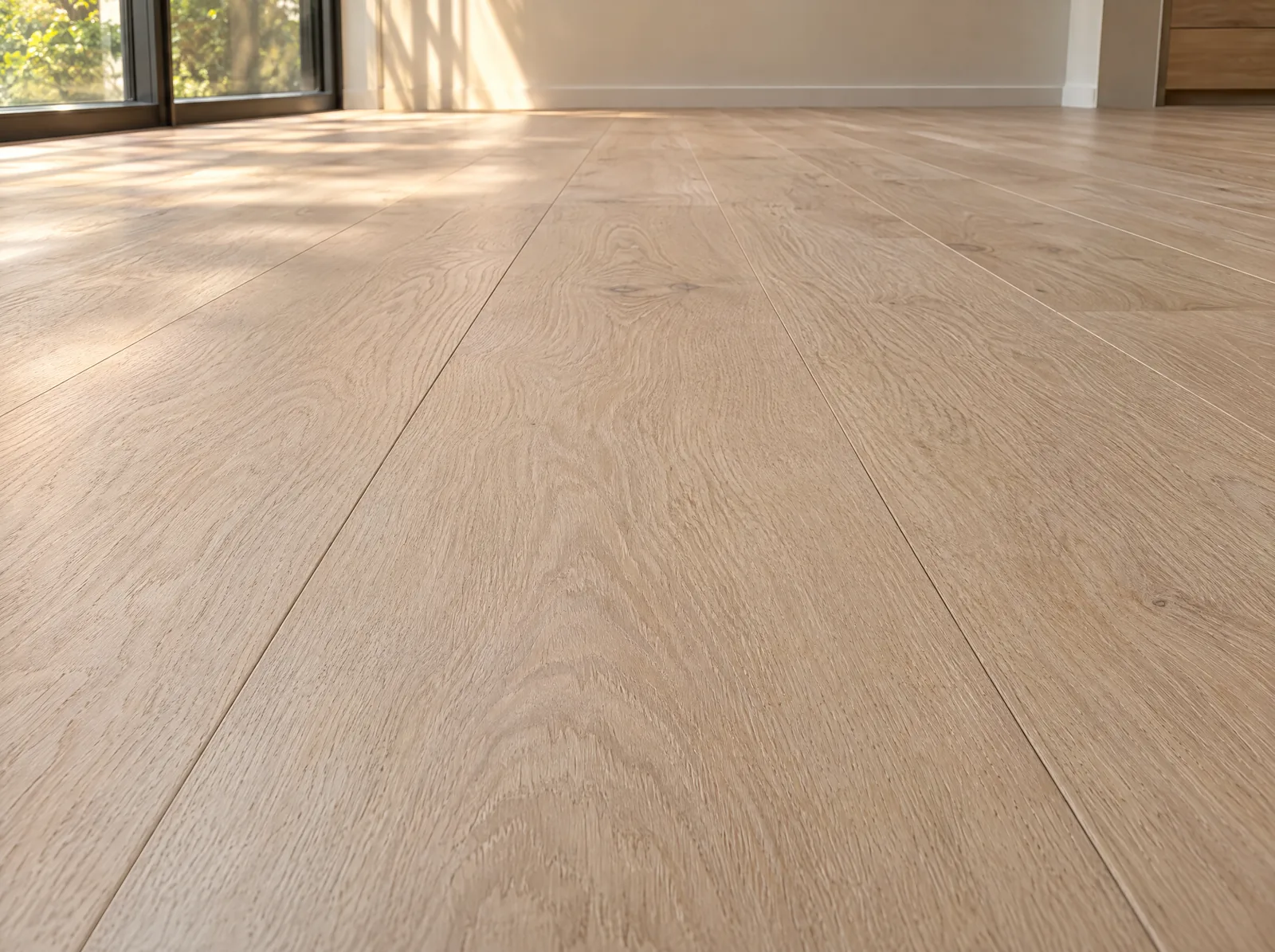
Moisture findings
The slab gets a moisture reading with a meter once the concrete is exposed; ask who takes it and how it is recorded. What happens after a high reading depends on the product and the reading itself, and it is planned before any floor is ordered.
Surface and finished height
Flatness, the old floor, door clearances and transitions all belong in the scope. Scope both floors on the same removal and preparation so you compare like with like.
Occupied and seasonal conditions
Run the air conditioning at the levels the floor’s maker sets, including the months the house sits empty. A seasonal home needs that plan before the owners leave.
Leaving old tile in place works only when it is flat, well bonded and approved for the new product, and it raises the finished floor. Check it against the chosen product before you skip removal. Switching from vinyl to wood can change that answer, so keep it written into both proposals.
Compare feel and future repair options.
Stand on the samples in the showroom, in light close to your own. Vinyl’s core and backing set how it feels. Engineered wood’s feel depends on the board and how it is installed. Listen to the step as well. A loose sample is a fair first impression, not the finished floor.
Wear-layer numbers mean different things on each floor. Vinyl’s wear layer is a protective coating, not wood, and it cannot be sanded. For engineered hardwood, the National Wood Flooring Association (NWFA) names wear-layer thickness, flatness, condition, equipment and the contractor’s skill as what sets sanding potential. A thickness figure alone does not tell you how many refinishes a floor has left.
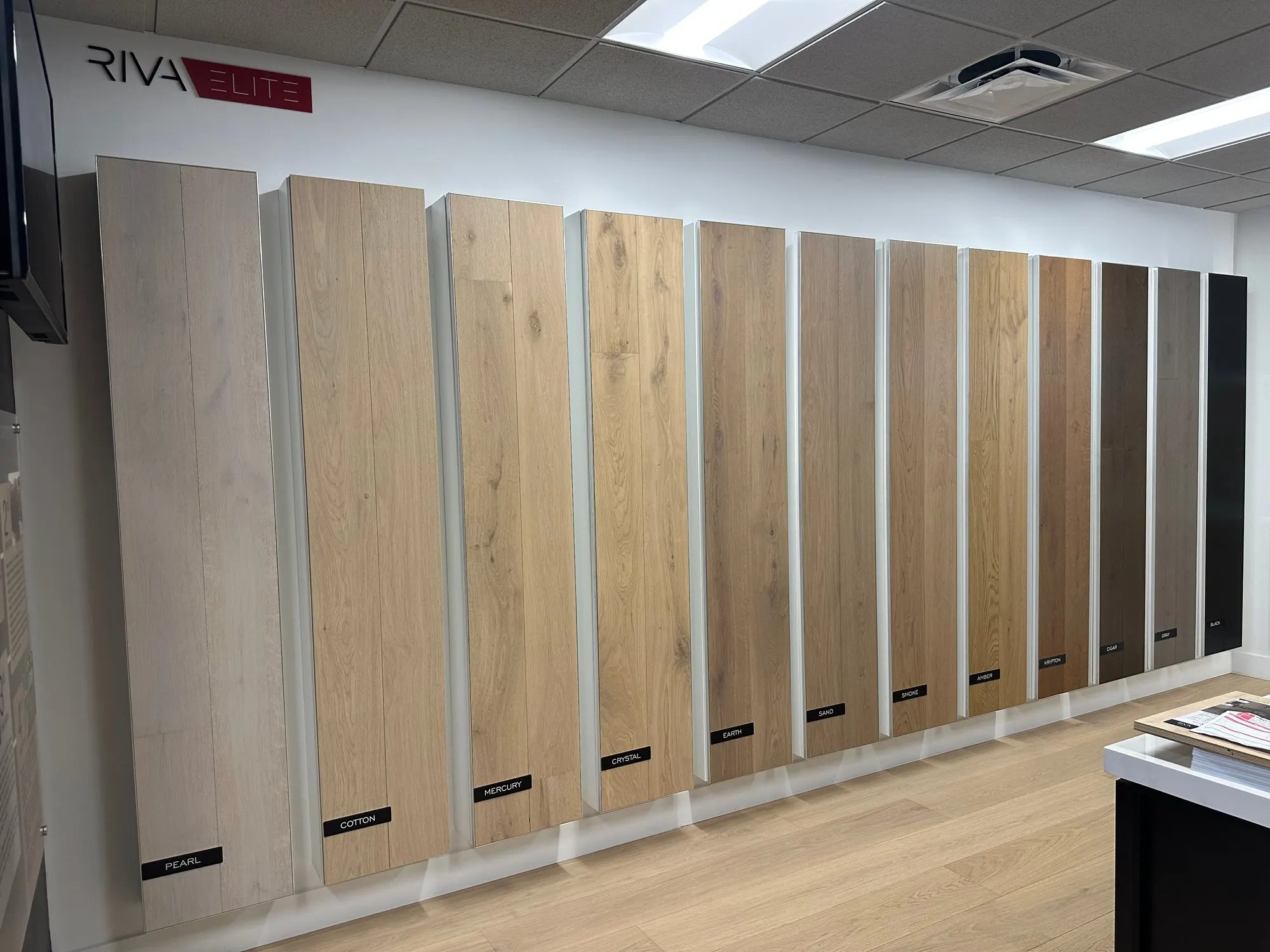
NWFA also separates a maintenance coat from a full sand back to bare wood, so know which one your finish allows. RIVA uses a Bona lacquer that can be repaired. With vinyl, keep a box of spare planks for replacements. With either floor, use the approved cleaner and felt pads.
Treat resale as a separate question.
For a luxury-home renovation, choose engineered hardwood. Real wood suits that finish standard, and it is the floor we recommend there. We carry luxury vinyl too, for rentals and busy family rooms.
No one can promise a resale premium for either floor. If you plan to sell soon, ask your real estate advisor what recent comparable sales had underfoot and what buyers in your type of property expect. Then choose the finish and condition you want to hand over, not a promised percentage return.
“They made the selection process so easy, offering great guidance to help us choose the perfect flooring.”
Check the condo assembly before ordering.
Condo sound approval follows the whole assembly, not the flooring alone. Schluter, a maker of tile installation systems, explains that IIC (Impact Insulation Class, the rating for footstep noise reaching the unit below) rates the full floor-and-ceiling structure, including the flooring and the construction below it. A sample that feels softer in your room says nothing about the unit below. For glued wood, some urethane adhesives also act as a moisture and sound barrier; whether one suits your floor depends on the product and the slab reading.
Your association’s current rules decide approval. Get them before ordering and find out who reviews the proposed assembly. Submit the floor, adhesive or underlayment and building details together. The Naples condo flooring planning checklist puts approvals, access and the material choice in one plan.
Bring two priorities and your room photos.
Bring a floor plan or room photos, the finishes that are staying and any association documents. Name your top two priorities: real wood, water resistance, texture or future repair. Review luxury vinyl options against those two, so the choice stays tied to your home and not to the sample board.
See the hardwood options beside the vinyl samples at the ProFloors Naples showroom. Samples are viewed in person at the showroom. One project manager stays with you from selection through installation.
Sources (4)
- NWFA: Types of Wood Floors
Defines solid, engineered and composite engineered wood flooring and distinguishes their construction.
- NWFA: Refinishing Your Floors
Distinguishes maintenance coating from sanding and explains why sanding potential varies with the floor.
- RFCI: Moisture Mitigation
Explains how concrete moisture affects resilient flooring and why testing and product requirements matter.
- Schluter Systems: Sound Control
Explains that IIC sound ratings describe a tested floor-and-ceiling assembly rather than an underlayment alone.
Questions, answered.
Reviewed by Cedric Eckenrode, owner · Updated November 2026
The showroom
- 2033 Trade Center WayNorth Naples, FL 34109
- Mon–Fri 8am–5pmSat 10am–2pm
- Is luxury vinyl plank better than engineered hardwood?
- Neither wins everywhere. Choose engineered hardwood for living rooms and bedrooms, where real grain and future refinishing matter; it is our recommendation in luxury homes. Choose water-resistant luxury vinyl for rentals and busy family rooms with constant spills. Check either one against the slab’s moisture reading and any condo sound rule before ordering.
- Can engineered hardwood handle standing water?
- No. Engineered hardwood is not waterproof, and standing water, leaks or excess slab moisture can damage it. Wipe spills promptly and fix known water problems before installation. For showers and rooms that stay wet, choose a porcelain tile assembly instead, in a coordinated tone if you want the rooms to connect.
- Does engineered hardwood have better resale value than LVP?
- No one can promise a resale premium for either floor. Engineered hardwood gives you a real-wood surface, which suits the finish standard of a luxury Naples home, and it is what we recommend there. If resale drives the renovation, ask a real estate advisor what comparable homes had underfoot before you choose.
- Is LVP quieter than engineered hardwood in a condo?
- Not by material alone. Condo sound ratings describe the whole assembly: the floor, its backing or underlayment, the adhesive and the building’s construction. A sample that sounds softer in your room proves nothing about the unit below. Get the association’s requirement first, then submit test documentation for the exact assembly you plan to install.
- One project managerFrom selection through installation
- No cost to come in and askBring your questions, photos or plans
- Trade buys here tooYour builder or designer can buy here
5.0· 46 Google reviewsBBB A+ AccreditedFamily-owned since 1998


Keep reading
All guides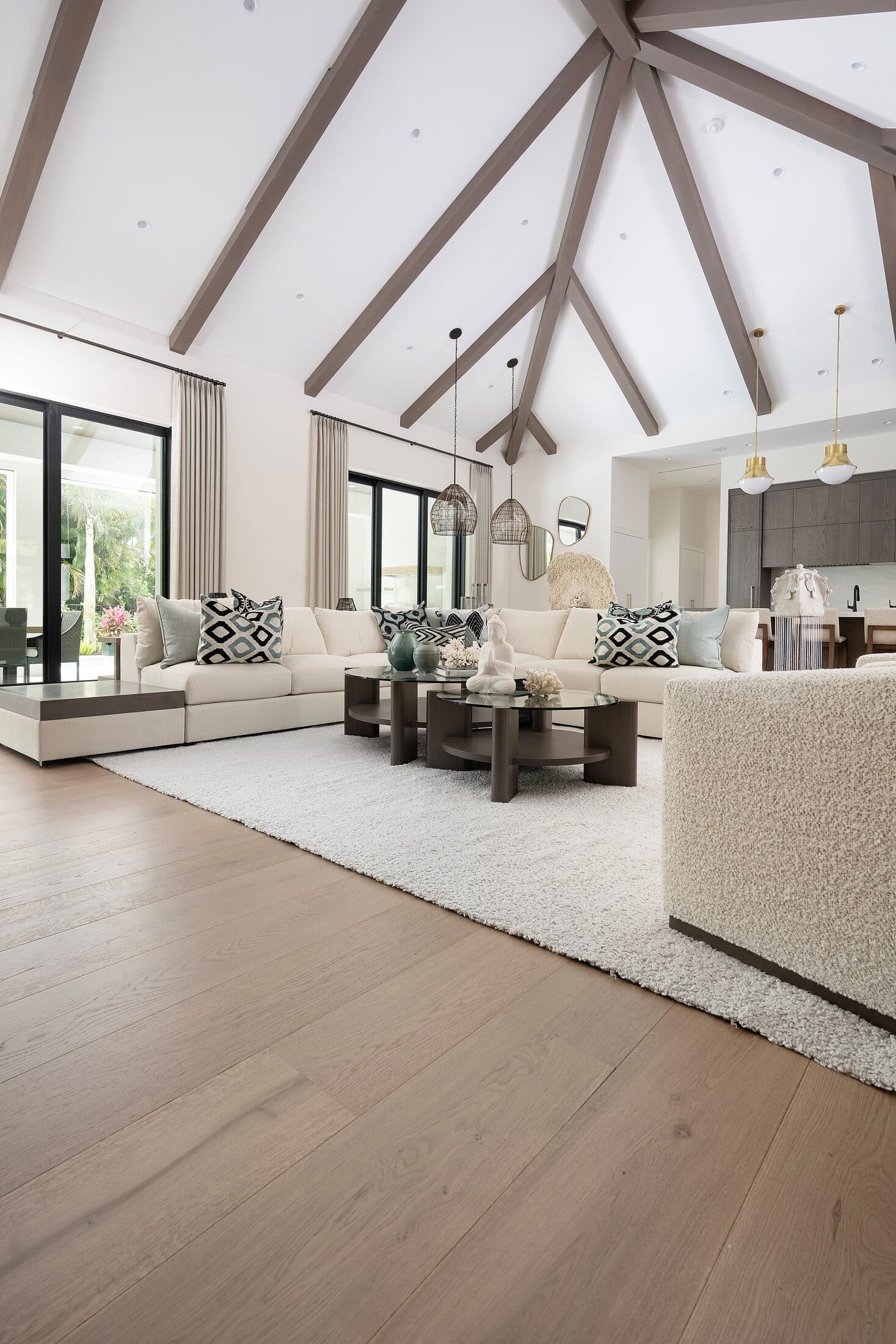
Bring your questions to the showroom.
Engineered hardwood vs luxury vinyl (LVP): choose for your Naples home.