
Compare materials · 7 min read
Luxury vinyl (LVP) vs tile for Naples homes: comfort or water exposure
Choose by room use and underfoot comfort, then compare preparation, installation timing and future care.

Reviewed by Cedric Eckenrode, ownerUpdated November 2026
The short answer
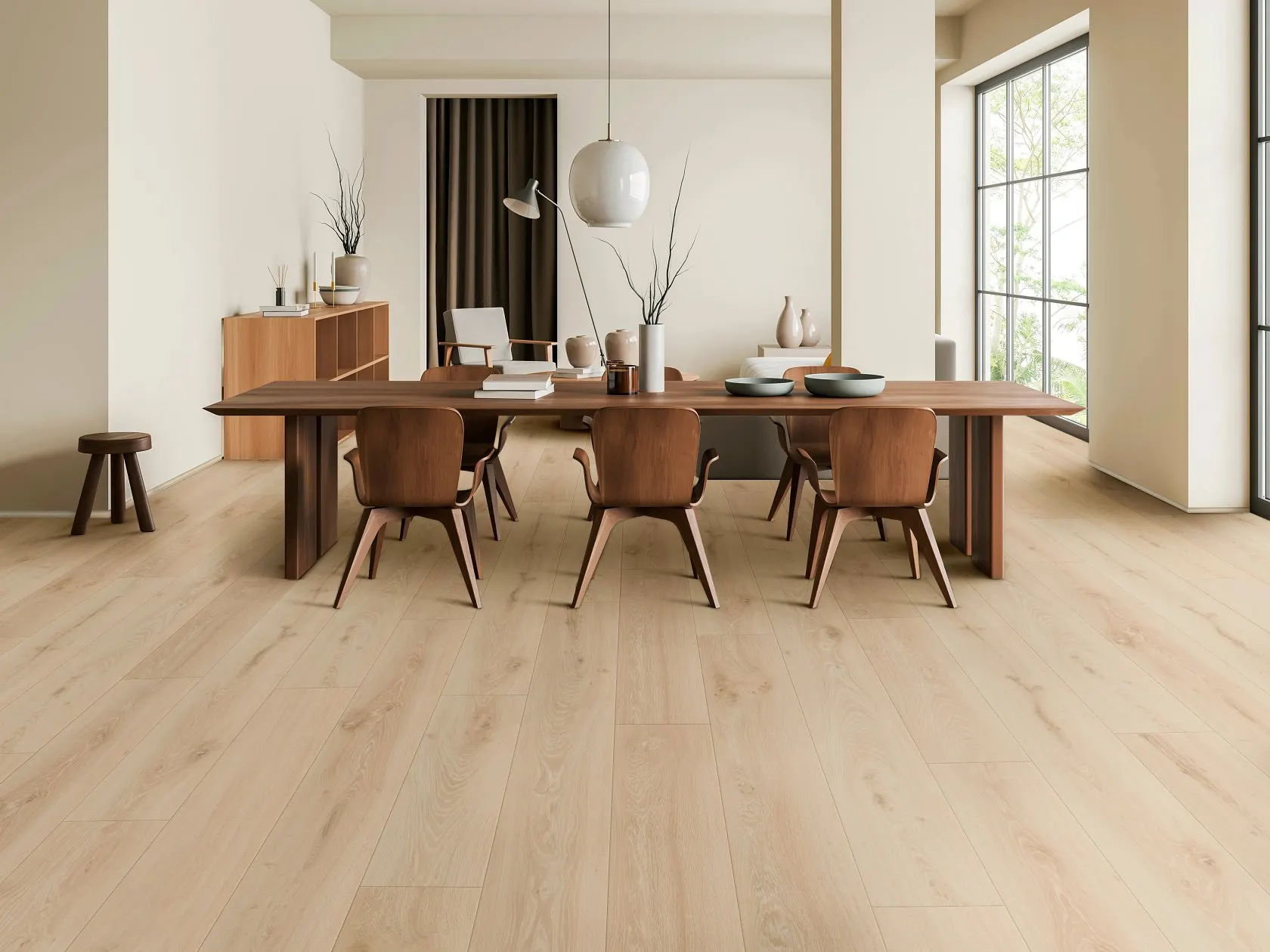
Choose luxury vinyl for a wood look and a softer floor in Naples living spaces, rentals and family rooms; it is water-resistant, not waterproof. Choose porcelain tile for showers, lanais and rooms that get properly wet. Compare slab preparation, installation sequence and later repairs too. ProFloors & Cabinets carries both at its showroom on Trade Center Way.
Compare how you will use the floor.
This comparison covers porcelain and ceramic floor tile; natural stone has its own care needs. Start by ruling out any product whose room-use instructions exclude the room.
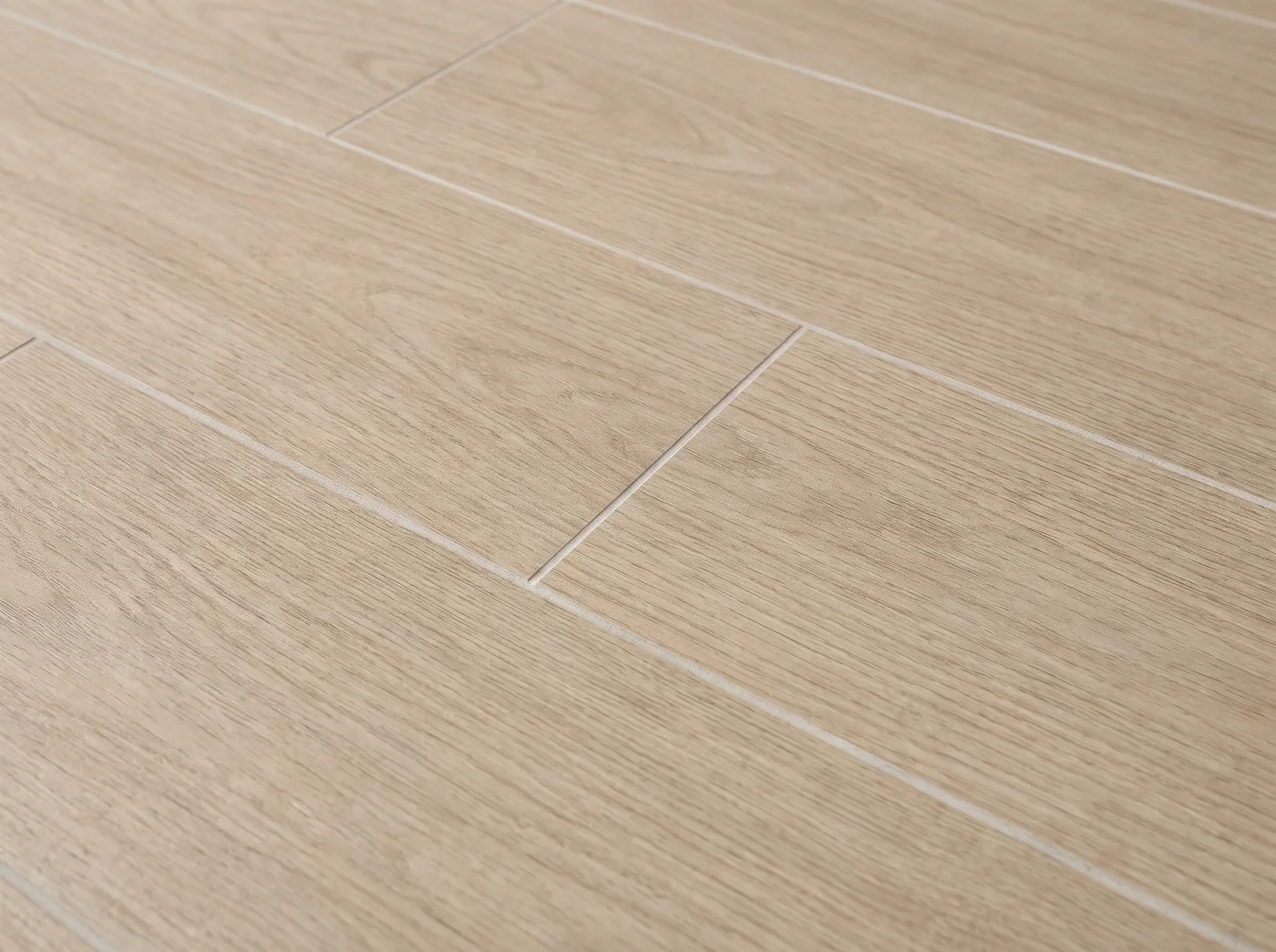
Luxury vinyl plank
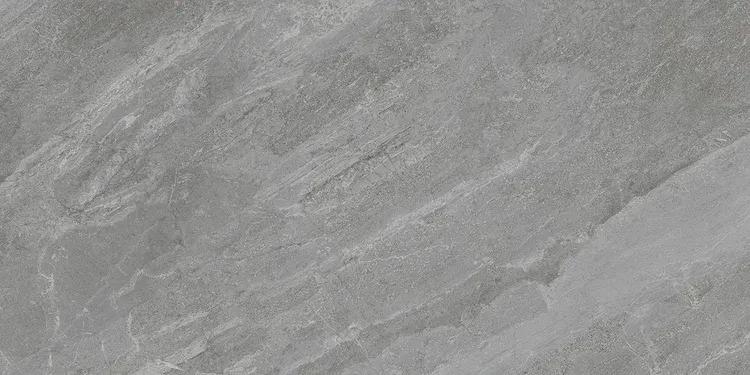
Porcelain or ceramic tile
Everyday feel
Luxury vinyl plank: Softer underfoot; the core and backing set how firm it feels.
Porcelain or ceramic tile: Hard and cool; texture is the main choice.
Water exposure
Luxury vinyl plank: Handles surface spills. Standing water and slab moisture are its limits.
Porcelain or ceramic tile: Made for wet rooms when the whole assembly is specified for them.
Installation sequence
Luxury vinyl plank: Click (planks lock together and float) or glue-down. Preparation always comes first.
Porcelain or ceramic tile: Preparation, setting, grout and curing before the room is back in use.
Existing tile below
Luxury vinyl plank: Only if the product allows it and the old tile is flat and sound.
Porcelain or ceramic tile: Depends on the old surface and the new system.
Future damage
Luxury vinyl plank: Replace the damaged plank; keep spares from the order.
Porcelain or ceramic tile: Find the cause, then replace the tile and grout.
Long-term performance
Luxury vinyl plank: Set by the product, the installation and its care.
Porcelain or ceramic tile: Set by the tile, the assembly beneath it and its care.
List how each room is used: barefoot in the living room, long hours at the kitchen counter, traffic in from the lanai. The shower is its own decision. Mark those differences on the plan. Coordinated materials keep the look continuous when one product cannot do every room.
Match water exposure to the complete system.
LVP is water-resistant, not waterproof. A surface spill, a leaking appliance and moisture rising through concrete are three different problems. The Resilient Floor Covering Institute (RFCI) treats moisture as a project condition for resilient flooring such as vinyl. Share any water-intrusion history up front; slab moisture is resolved before the floor goes down. Warranty terms differ by product, so read how each maker treats water and slab moisture before you buy.
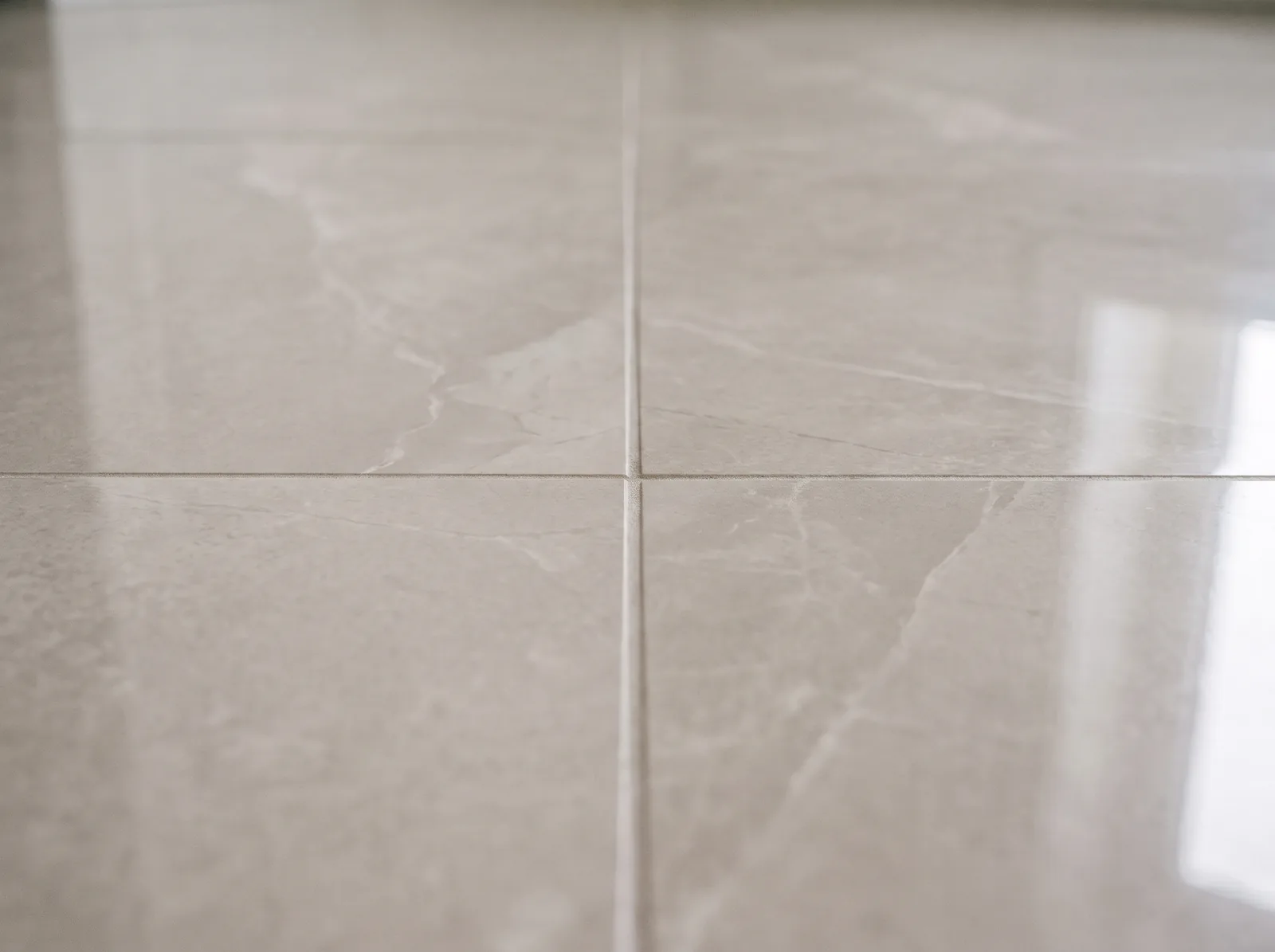
For rooms that are routinely wet, start with tile. About 90% of the tile in our showroom is porcelain, and Daltile porcelain is on display in the showroom tile aisle. Porcelain’s low absorption describes the tile body; a shower floor or lanai also depends on the grout, joints, substrate and any water-management layers. Specify the whole assembly for the exposure.
Try the surface you will stand on.
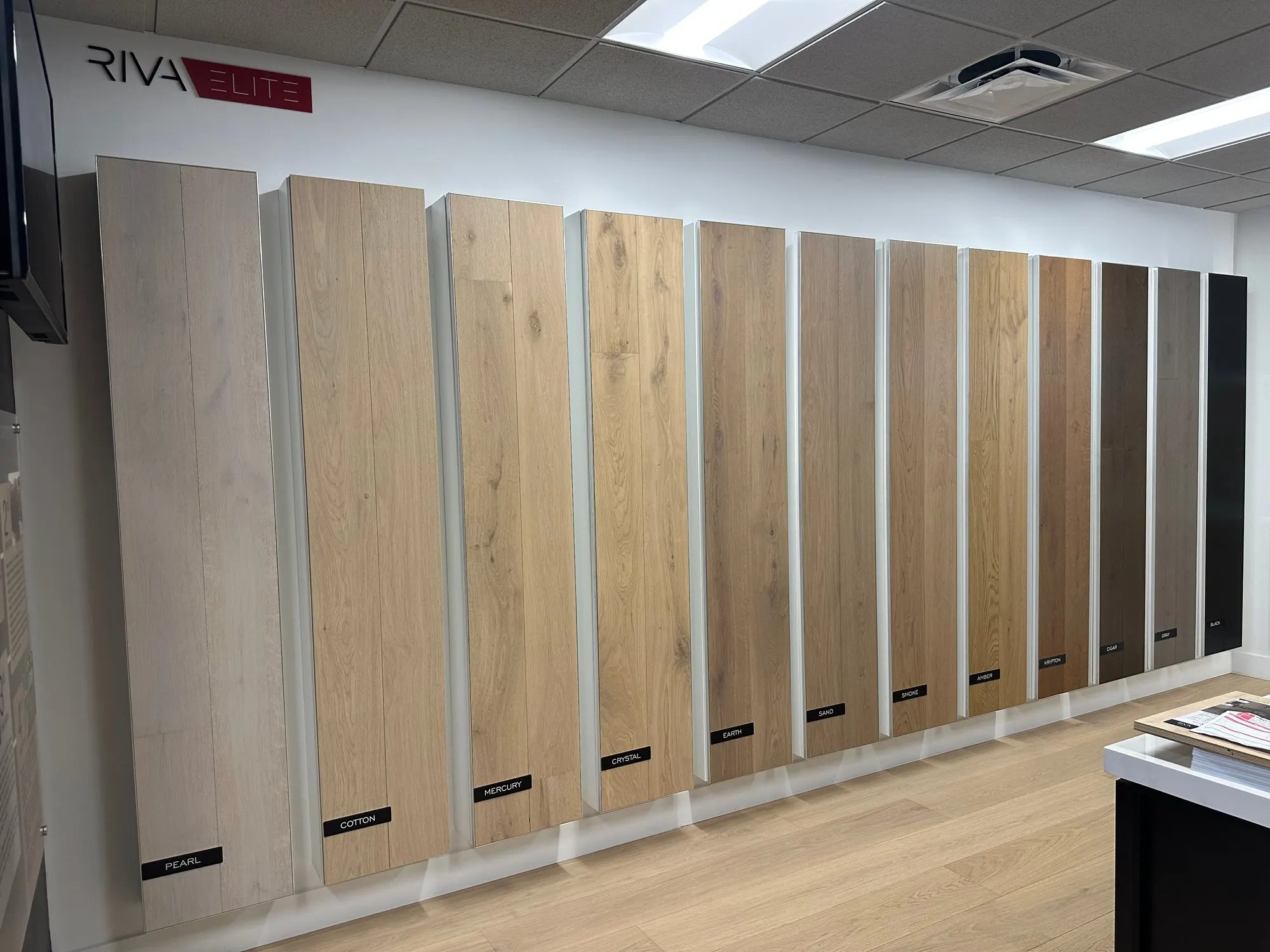
Start with vinyl if you stand at the kitchen counter for long stretches and want some give. Start with tile if you like a firm, cool floor in an air-conditioned room. Stand on the real candidates: vinyl’s core, backing and installation set how firm it feels, and rigid-core vinyl can still feel hard. COREtec luxury vinyl plank is on the showroom floor beside porcelain, so you can compare the two underfoot.
Feel the texture as well as the color, barefoot if you can, and count the tile’s grout joints as part of its surface. Read the cleaning instructions and furniture-pad guidance next to each sample.
Compare the sequence before comparing speed.
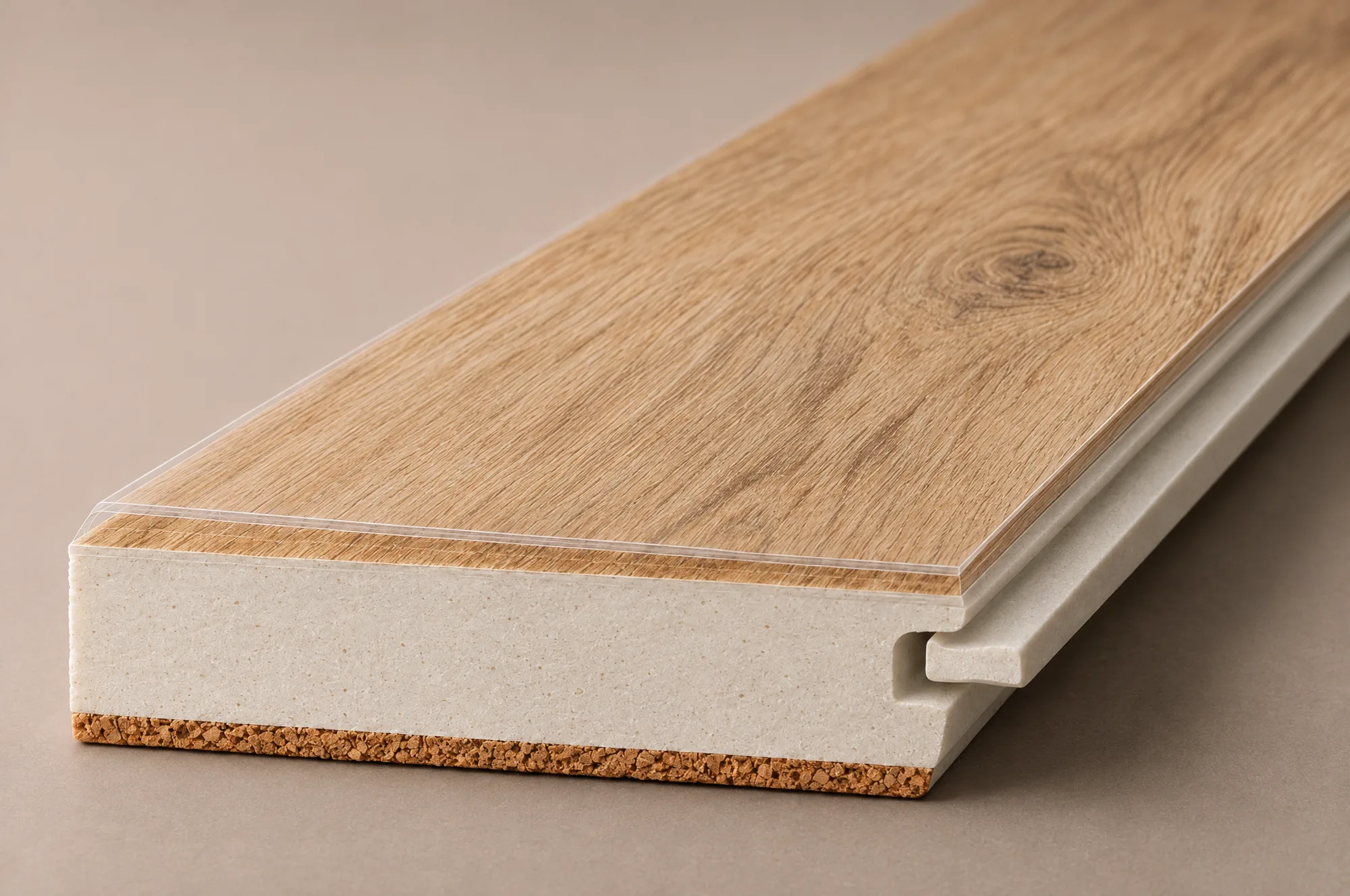
A click vinyl floor has fewer installation stages than tile, but preparation and access often set the real schedule. Shaw notes that subfloor preparation can add time to a luxury vinyl project. Compare the full sequence for each option, including removal and the day each room is back in use.
Before material installation
Availability, access and removal come first. Then the site check, any preparation or moisture work, and the waiting times the installation products require.
Luxury vinyl plank For the vinyl system
Click or glue-down, whether the planks must sit in the room first to adjust (acclimation) or need a climate-controlled room, the approved underlayment, and when traffic and furniture can return.
Porcelain tile For the tile system
Substrate preparation, layout, setting materials, grout and their curing times. Those times set when each room takes traffic and furniture again.
For a Naples condo
The association’s current rules decide approval and access. Build the permitted work hours, deliveries and elevator bookings into the schedule for either floor.
Vinyl over existing tile needs the vinyl maker’s permission and a check of the tile’s condition, bond, flatness, joints and finished height. Add any preparation and waiting time to the plan. If fixed cabinets or an island are changing too, read our guide to flooring and cabinet sequencing, and draw the appliance clearances against the new floor.
Plan for care and repair over time.
Product, installation, exposure and upkeep decide service life, so neither floor has one lifespan for every Naples home. Manufacturer warranties vary by product. Read the actual warranty alongside the care instructions; its length is not a forecast of how long the floor will last.
For vinyl, keep grit off it, pad the furniture, use the approved cleaner and replace a damaged plank when needed. Vinyl cannot be sanded and renewed like wood. Ask how the installation method affects reaching a damaged plank, and keep a box of matching spares.
For tile, care for the grout as well as the surface. The Tile Council of North America (TCNA) explains that concrete cracks can reflect through bonded tile, so the cause of a cracked tile is found before the tile is replaced. The supporting assembly and movement joints are part of that check. Keep matching tile and grout from the original order.
Compare equally complete project scopes.
Put both proposals on the same room plan. Each should include removal, preparation, installation products, trim, transitions, furniture moving and cleanup. If one leaves an item out, settle it before you choose.
In an open-plan kitchen, draw the island, appliances and neighboring floors on that plan. The floating vinyl’s movement gaps, or the tile’s joints and substrate details, are resolved against the layout before anything is ordered.
Bring the rooms and constraints to ProFloors.
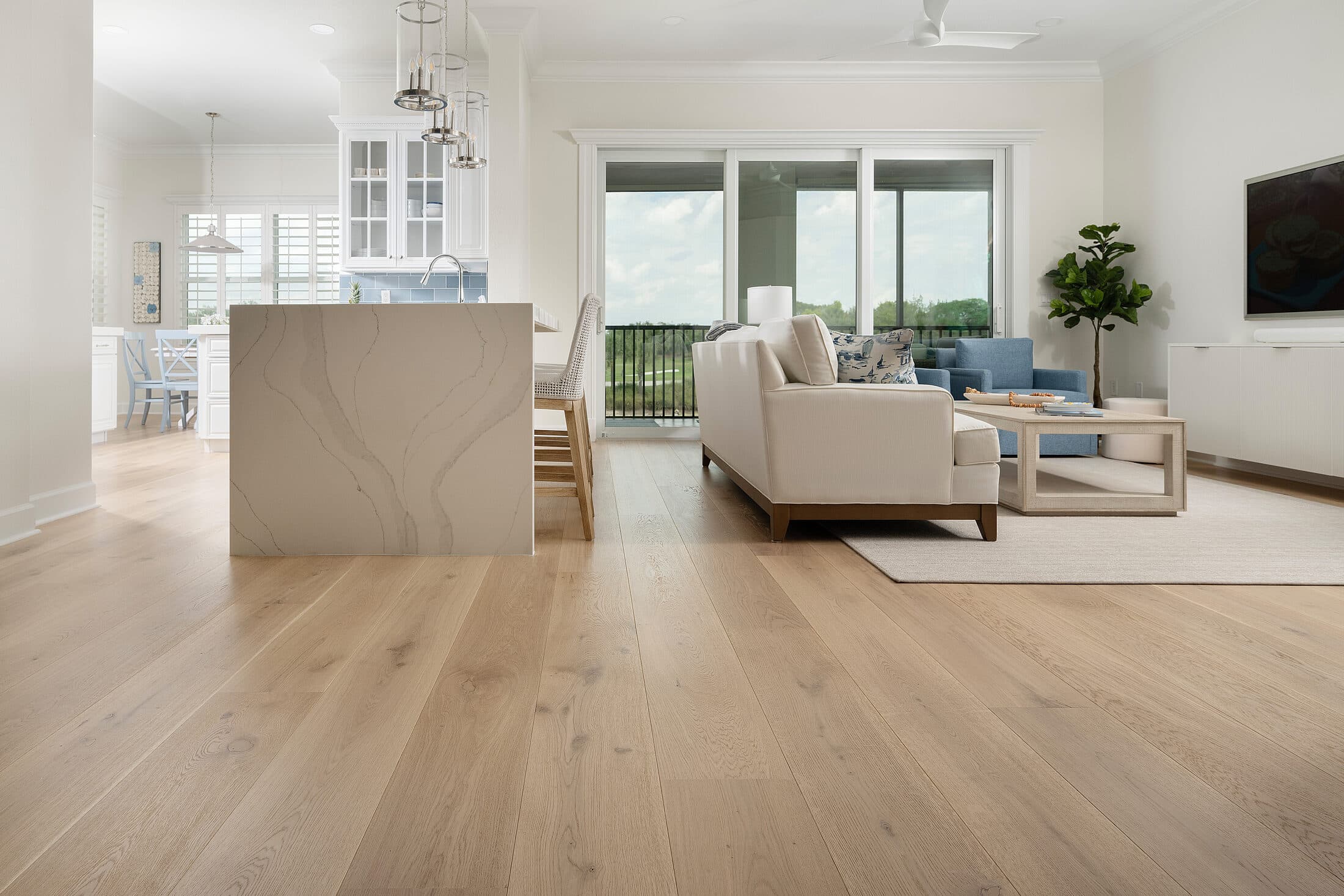
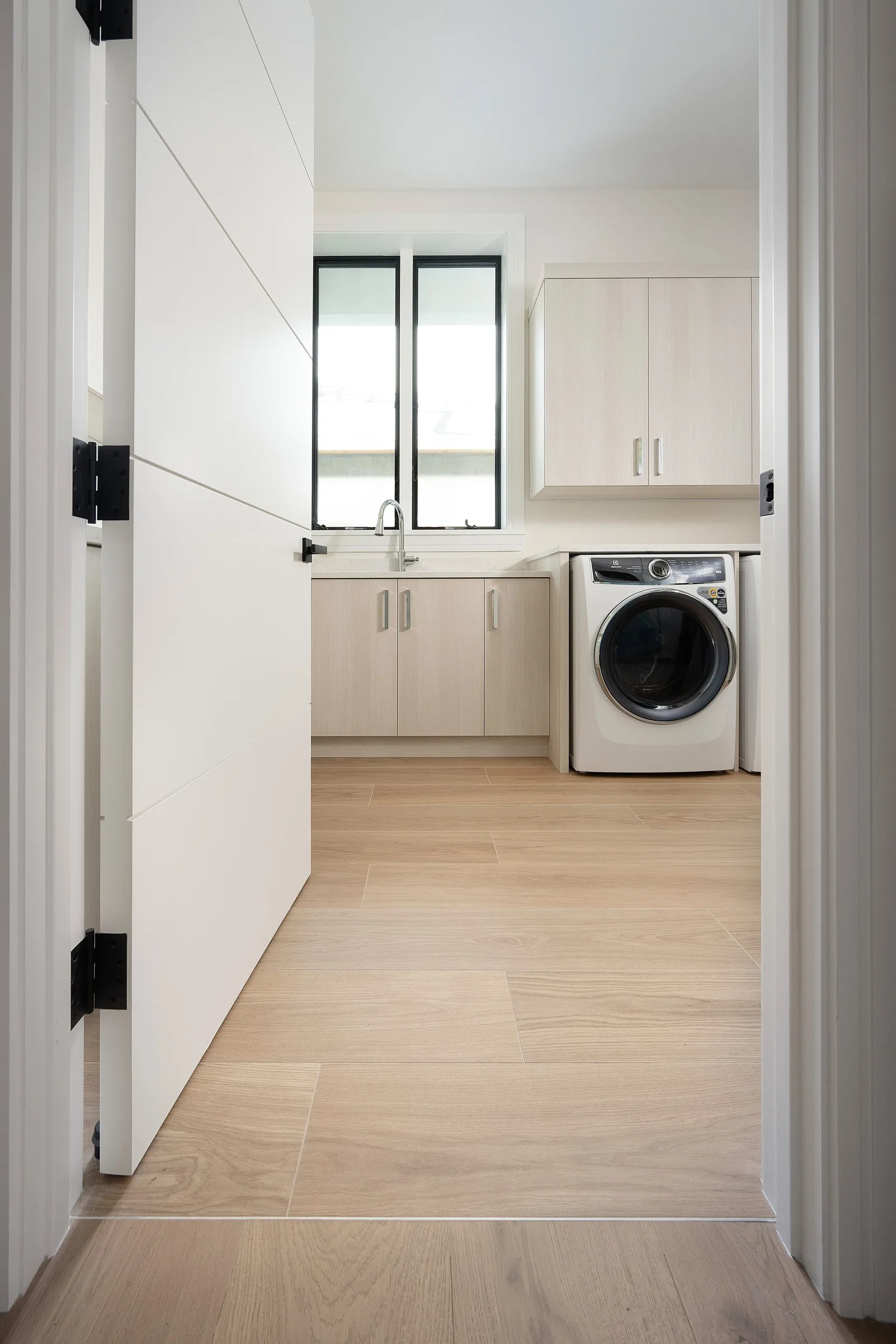
Bring photos of the floor, the doorways and any wet areas, plus a plan if you have one. Tell us how the home is used and how much care you want to do. Review luxury vinyl with those details in mind, comparing texture and color against the finishes you are keeping.
Compare the tile selection, with grout and trim, on the same Naples showroom visit. We carry both materials, with one project manager from selection through installation.
Sources (4)
- RFCI: Moisture Mitigation
Treats moisture as a project condition that must be assessed before specifying resilient flooring over concrete.
- Shaw Floors: Luxury Vinyl Installation
Explains installation planning, the role of preparation in timing and the need for product-specific instructions.
- TCNA: Porcelain vs. Non-Porcelain
Explains porcelain absorption and the need to check tile suitability for its intended application.
- TCNA: Cracked Tile
Explains why concrete cracks can affect the tile above and why the supporting assembly matters.
Questions, answered.
Reviewed by Cedric Eckenrode, owner · Updated November 2026
The showroom
- 2033 Trade Center WayNorth Naples, FL 34109
- Mon–Fri 8am–5pmSat 10am–2pm
- Should I choose LVP or tile for a kitchen?
- Choose water-resistant luxury vinyl if you want a wood look and a softer floor to stand on, and the product is rated for kitchens. Choose porcelain tile if the kitchen sees heavy water. Either way, plan the slab preparation, appliance clearances, fixed cabinets and transitions before deciding which proposal fits your kitchen.
- Does LVP install faster than tile?
- The installation itself usually has fewer stages than tile. The whole project is not always faster, because removal, slab preparation, product requirements and building access can set the schedule. Compare the full sequence for both options, including curing and waiting times and the day the furniture can go back.
- How long do LVP and tile floors last?
- It depends on the product, the installation, the use and the care, so neither floor has one lifespan for every home. Read the care instructions and know how damage gets repaired: a plank swap for vinyl, a tile and grout replacement for tile. Manufacturer warranties vary by product and are not a lifespan promise.
- Can LVP be installed over existing tile?
- Sometimes. The vinyl maker has to permit it, and the old tile has to be flat, well bonded and sound, with its joints and the finished height checked first. Preparation can still add time. Confirm the installation over tile for the exact product and property before any materials are ordered.
- One project managerFrom selection through installation
- No cost to come in and askBring your questions, photos or plans
- Trade buys here tooYour builder or designer can buy here
5.0· 46 Google reviewsBBB A+ AccreditedFamily-owned since 1998


Bring your questions to the showroom.
LVP vs tile: choose for comfort and water exposure.