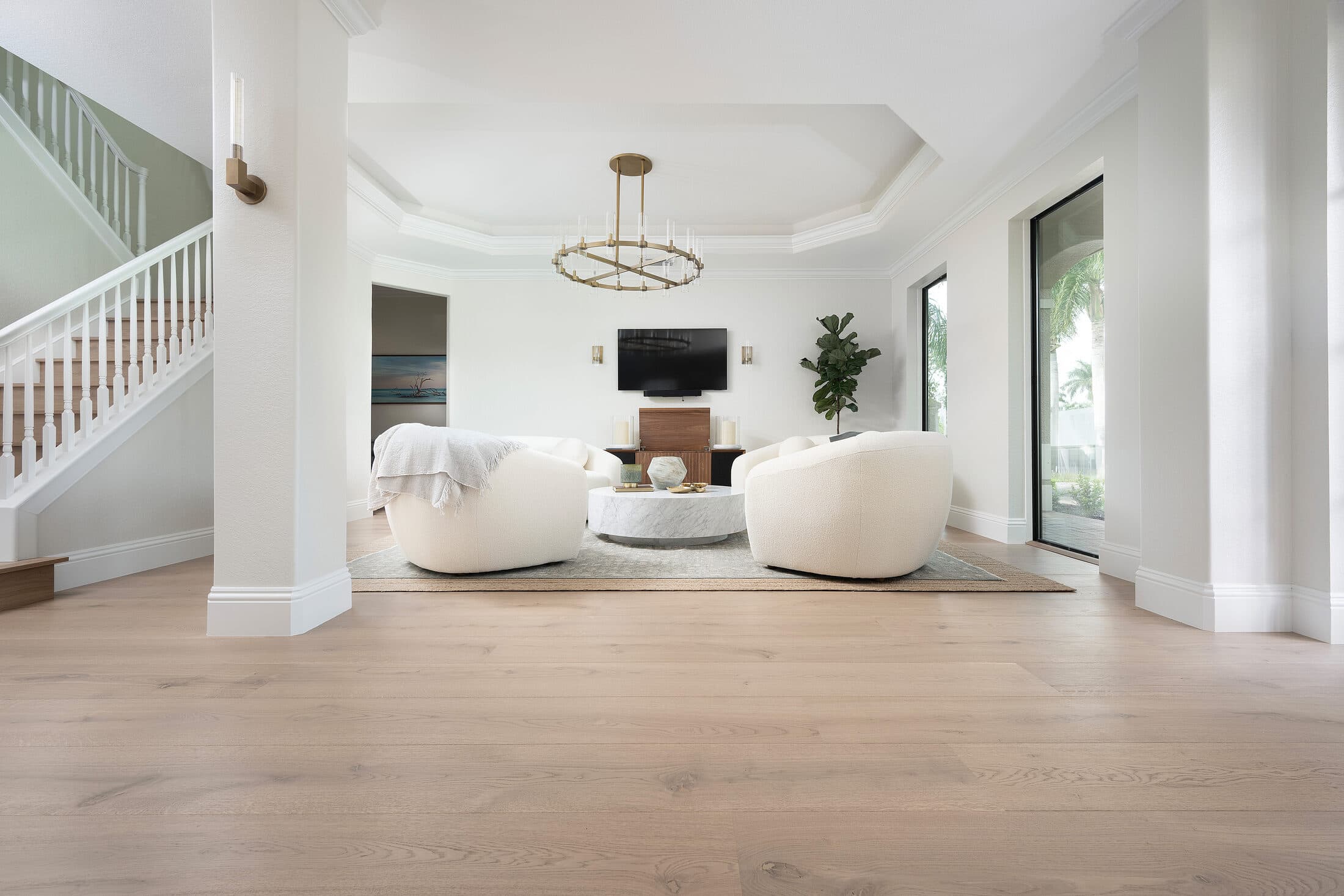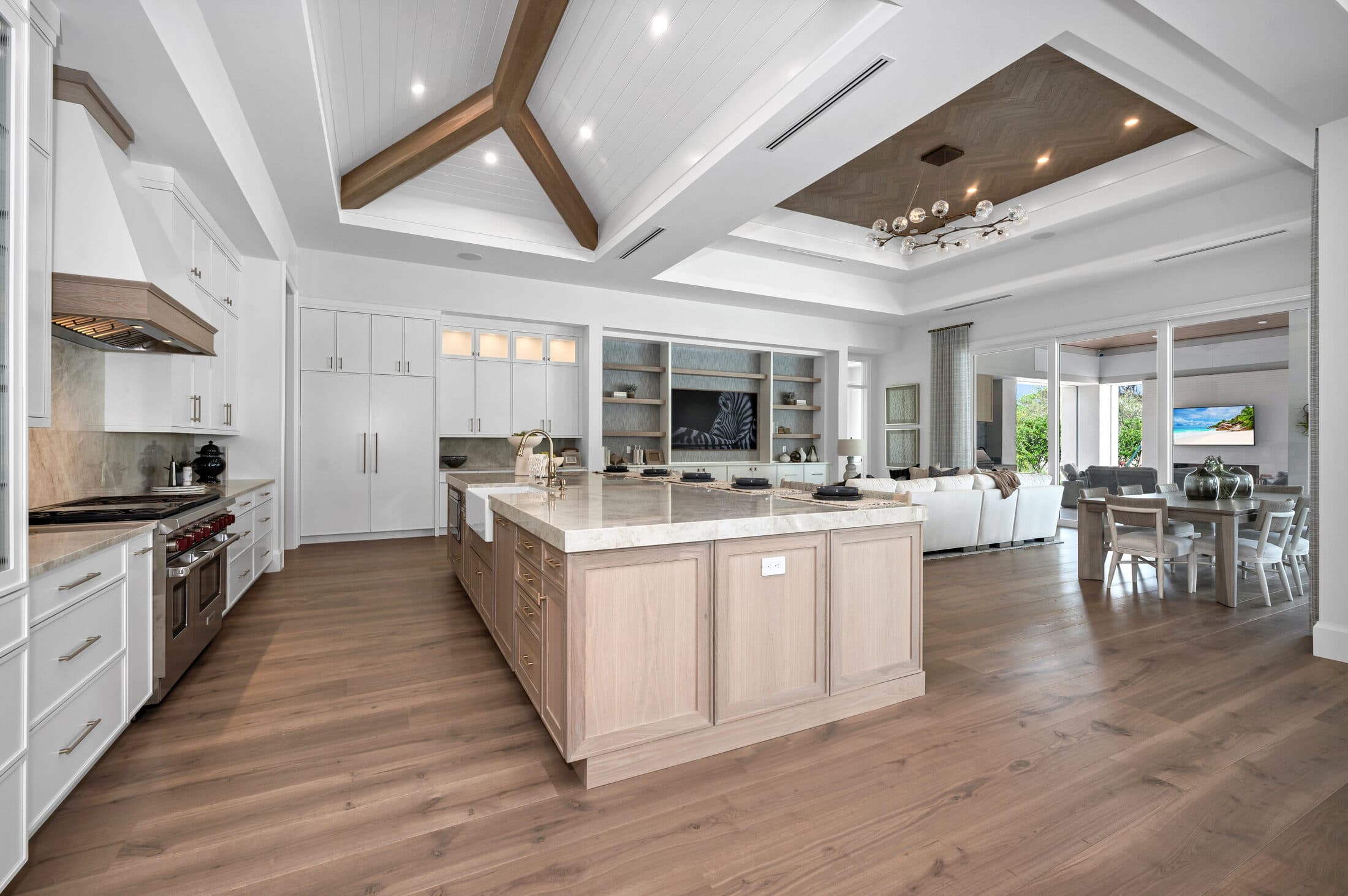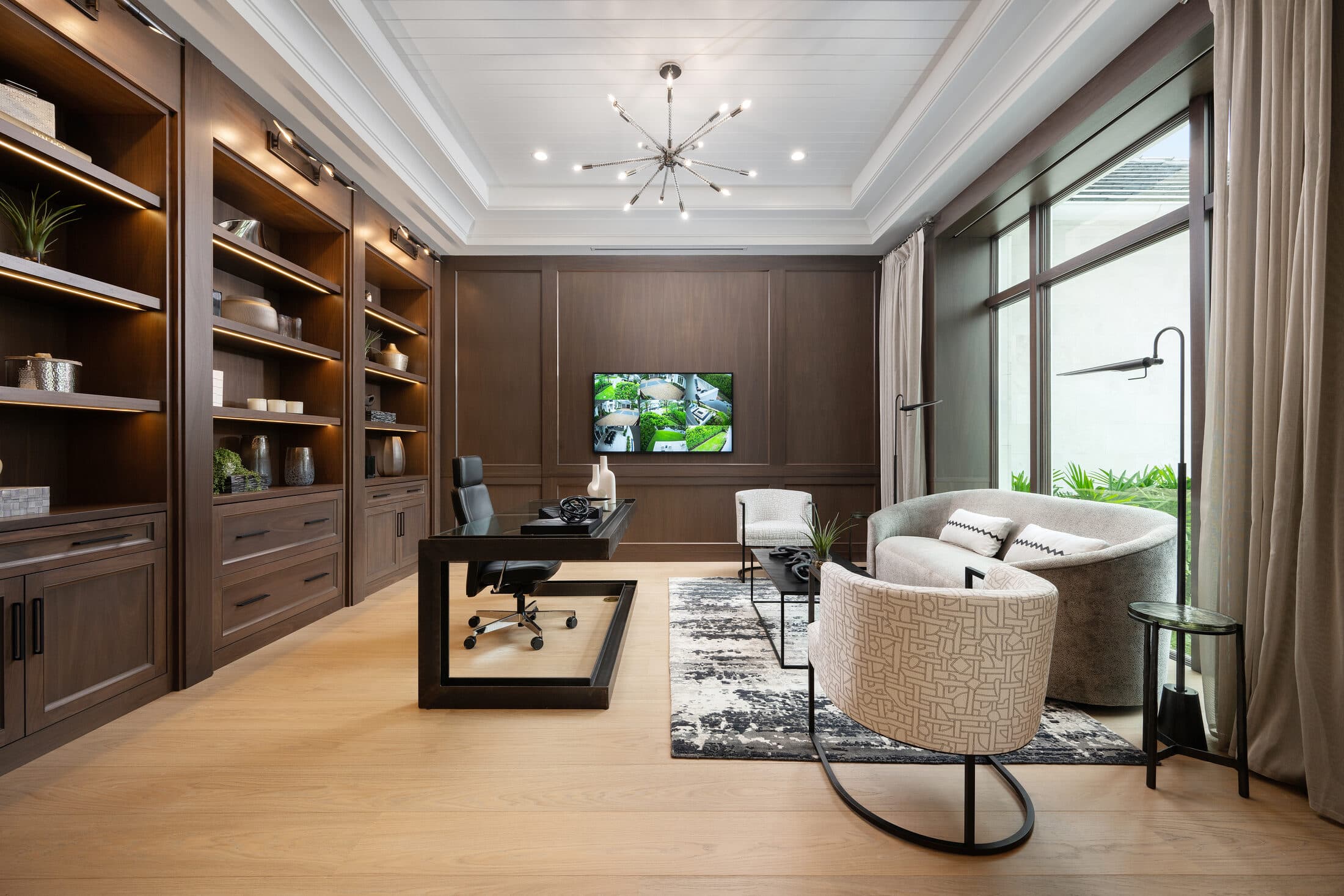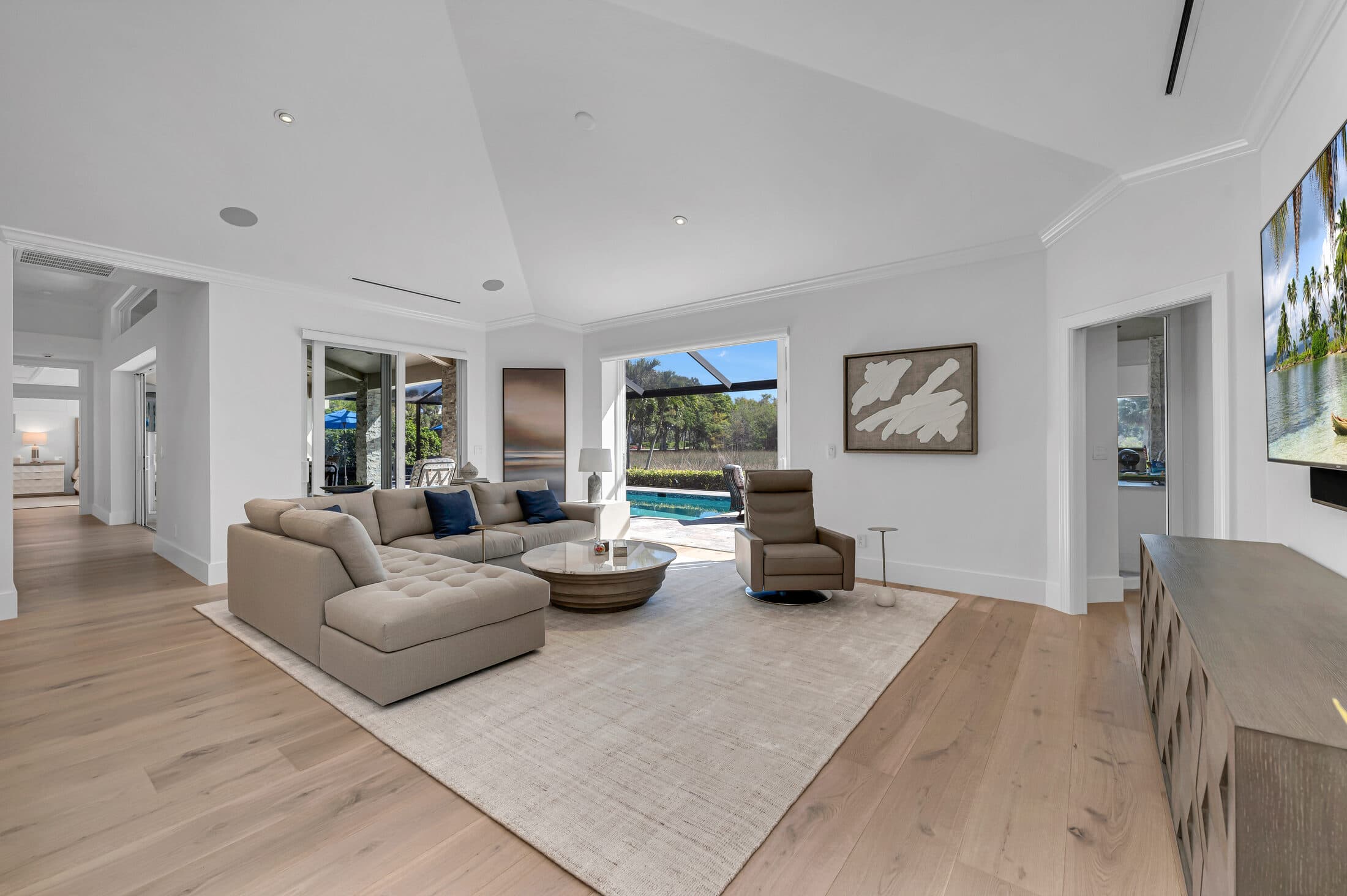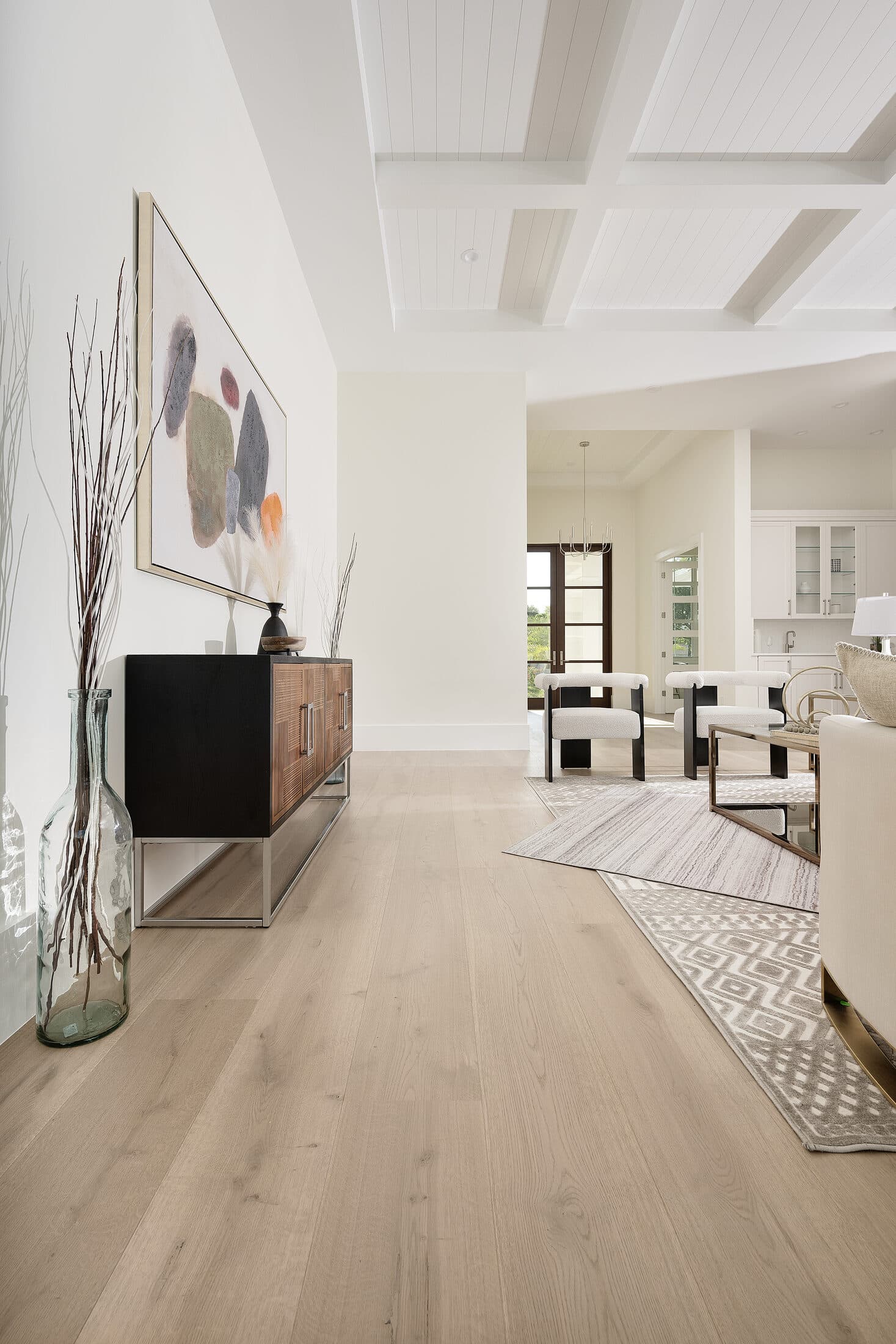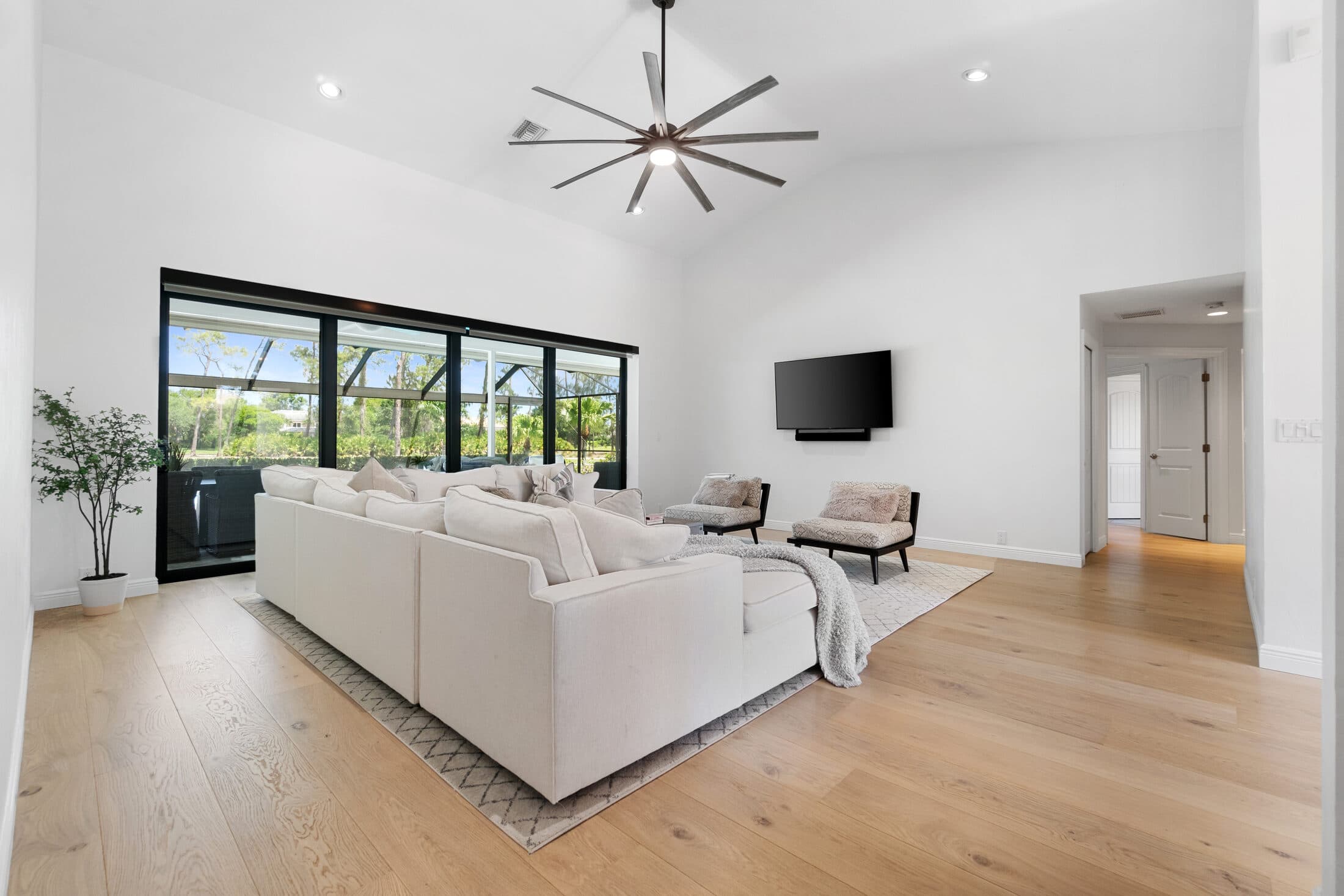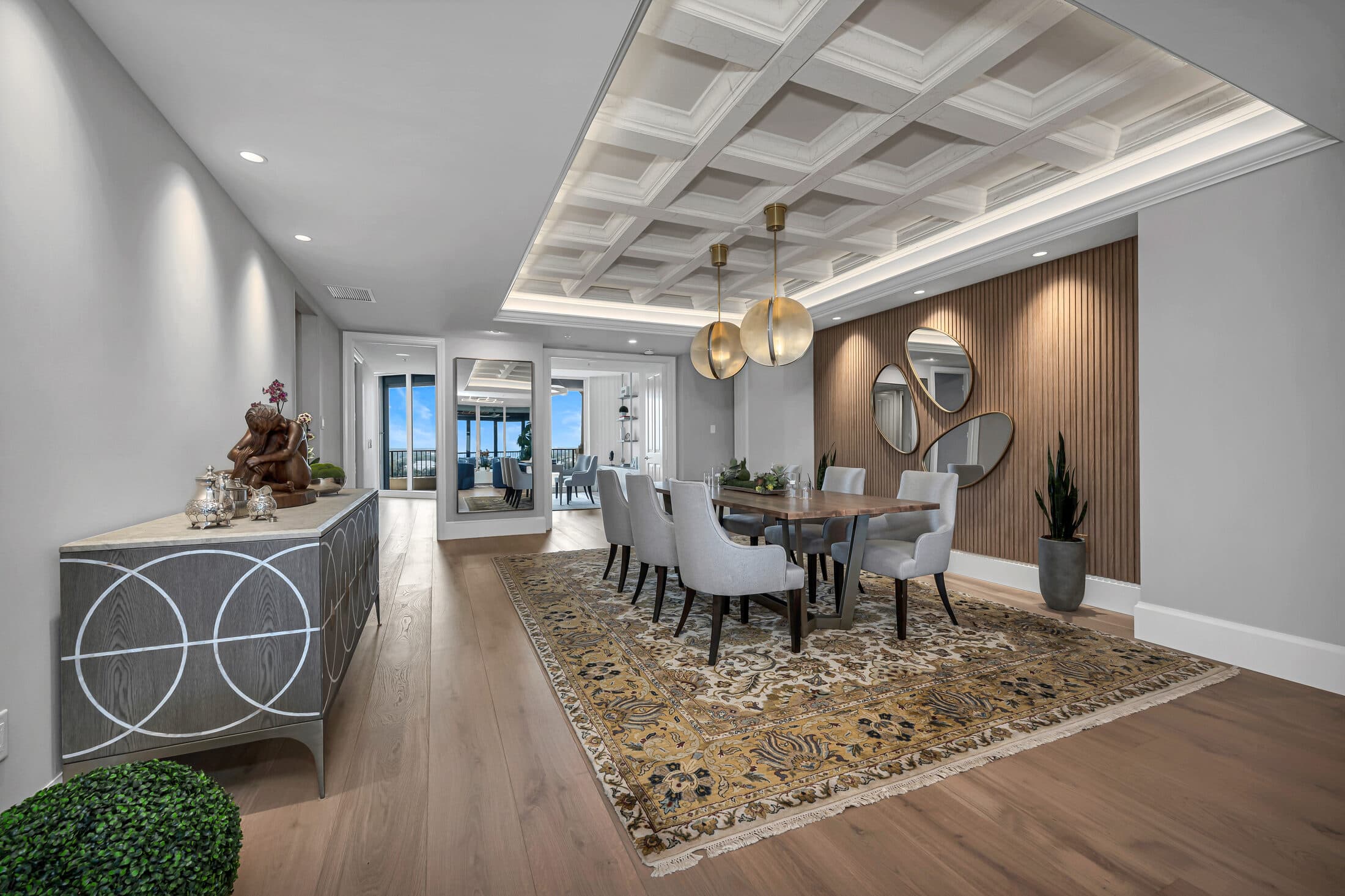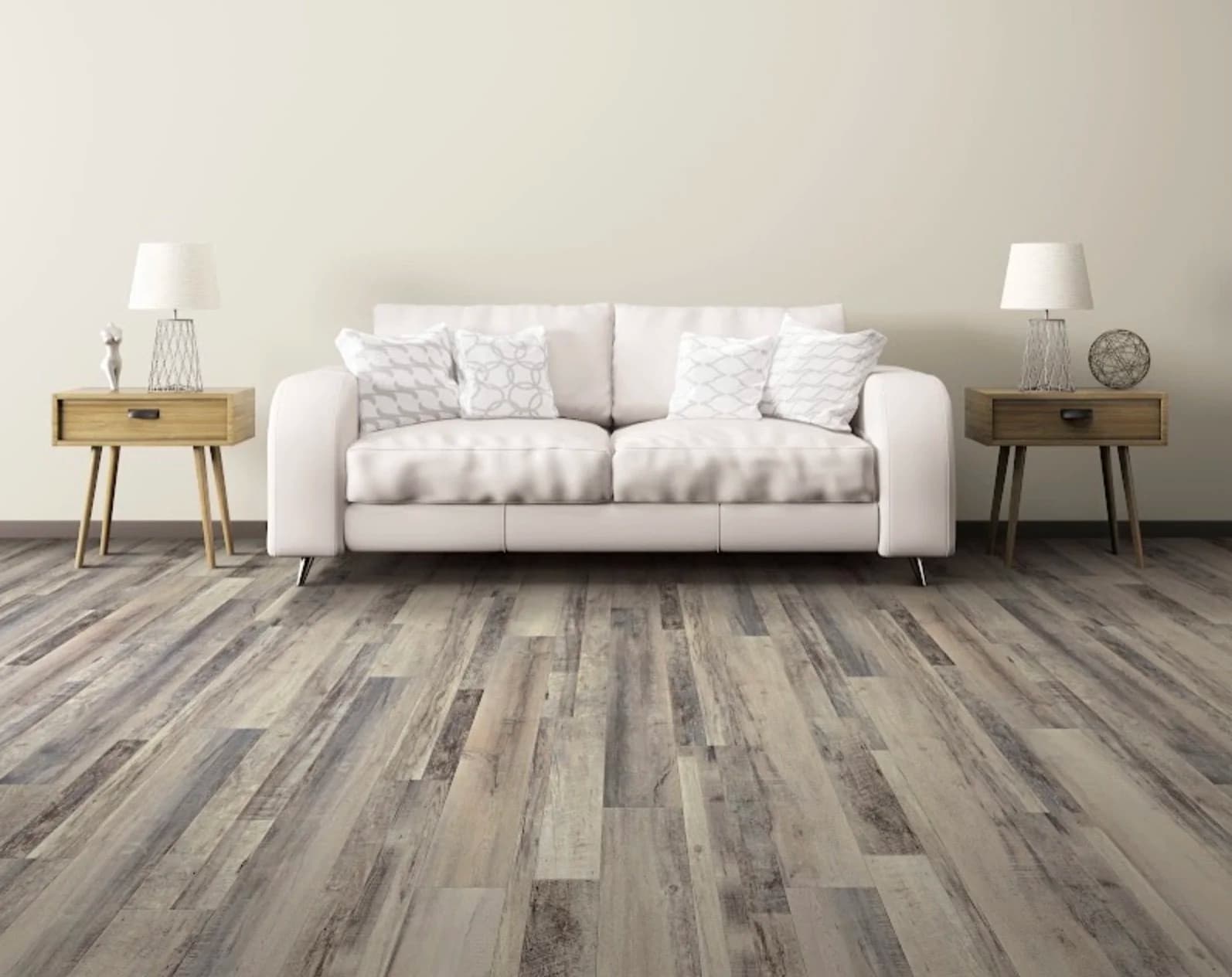
When people stand at the hardwood wall and ask which finish is "better," the honest answer is that neither is wrong — they're two different relationships with your floor. The choice is really about which version of a Saturday morning you'd rather have ten years from now. Let's make it concrete.
The real difference
Hard-wax oil penetrates the wood. It sinks into the grain and finishes the board from within, leaving a surface that's close to raw wood — matte, touchable, alive. A lacquer (the factory finish RIVA ships on every plank is a VOC-free Bona lacquer) sits on top of the wood as a sealed, UV-cured topcoat with a uniform sheen. One soaks in; one seals over. Almost everything else follows from that.
“Oil gives you a living surface you touch up over time. Lacquer gives you a sealed floor that keeps its look for years.”

How each ages in Naples light
Naples sun and salt push every finish hard. An oiled floor penetrates the grain and ages with the room — the surface develops a patina over the years, and it re-penetrates seasonally when you apply a recoat oil. A lacquered floor's UV-cured topcoat holds its first-week look longer initially; because the surface is sealed, it shows less seasonal movement and the same uniform sheen for years before it ever needs attention.
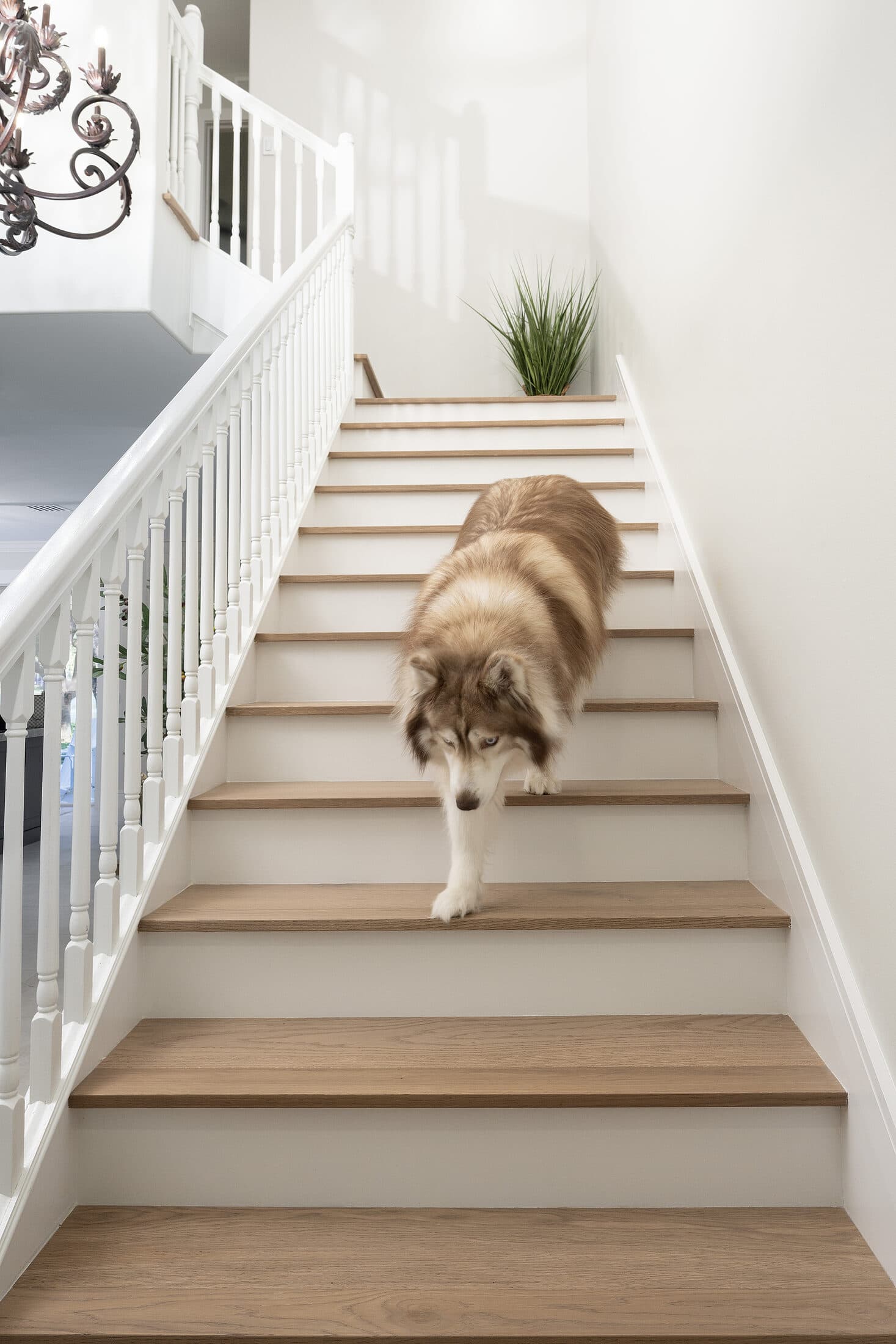
For pets, the two behave differently in a way worth knowing up front. Oil shows visible micro-scratches — but you touch them up in place without sanding. Lacquer hides initial scratches under its topcoat, and when one does break through, it's a factory-style repair at the scratch.
Living with each finish
This is the part that matters for real life. With oil, a scuff or scratch is a spot-recoat — you re-oil the affected area without sanding the whole floor, and the floor keeps smelling faintly like wood for a decade. With lacquer, you do essentially nothing for years; when the day comes, it's a sand-and-recoat roughly every 8–12 years that refreshes the whole floor in about one weekend.
- 01If you like tending things
Oil rewards a little ongoing care with a surface that ages, patinas, and touches up in place — never a full sanding to fix one scratch.
- 02If you want to forget about it
Lacquer asks nothing for years and refreshes in a single weekend a decade out. It's the lower-maintenance path by a wide margin.
- 03Healthy-home note
Both are available clean: low-VOC hard-wax oil systems, or the VOC-free Bona lacquer RIVA ships as standard. In a house that runs AC eight months a year, what the finish outgasses is what you breathe.
Side by side
Which Saturday do you want?
Oil sinks into the grain — the floor ages, recoats in place, and smells like wood for ten years. Lacquer seals — it holds its first-week look longer, never needs re-oiling every five years, and refreshes in one weekend a decade. The right answer is genuinely the one your Saturday morning will be glad you picked. Come stand on both at the showroom: we keep a Rubio Monocoat oil sample on the RIVA plank wall and the Bona lacquer right beside it, so you can run your hand across the difference before you decide.