

Compare materials · 7 min read
Solid vs engineered hardwood: what works on a Florida slab
Start with engineered hardwood over concrete, then compare construction, usable wear layer and the permitted installation method.

Reviewed by Cedric Eckenrode, ownerUpdated November 2026
The short answer
Over a Southwest Florida concrete slab, start with engineered hardwood. Its layered construction moves less with humidity and offers approved glue-down and floating methods. Solid hardwood can suit a room with a wood subfloor. Compare the usable wear layer, not total thickness. Engineered European white oak from RIVA is on display at ProFloors & Cabinets in North Naples.
Compare the boards’ construction, usable wear layer and permitted installation method to choose a floor for your home.
Look at the board’s cross-section.
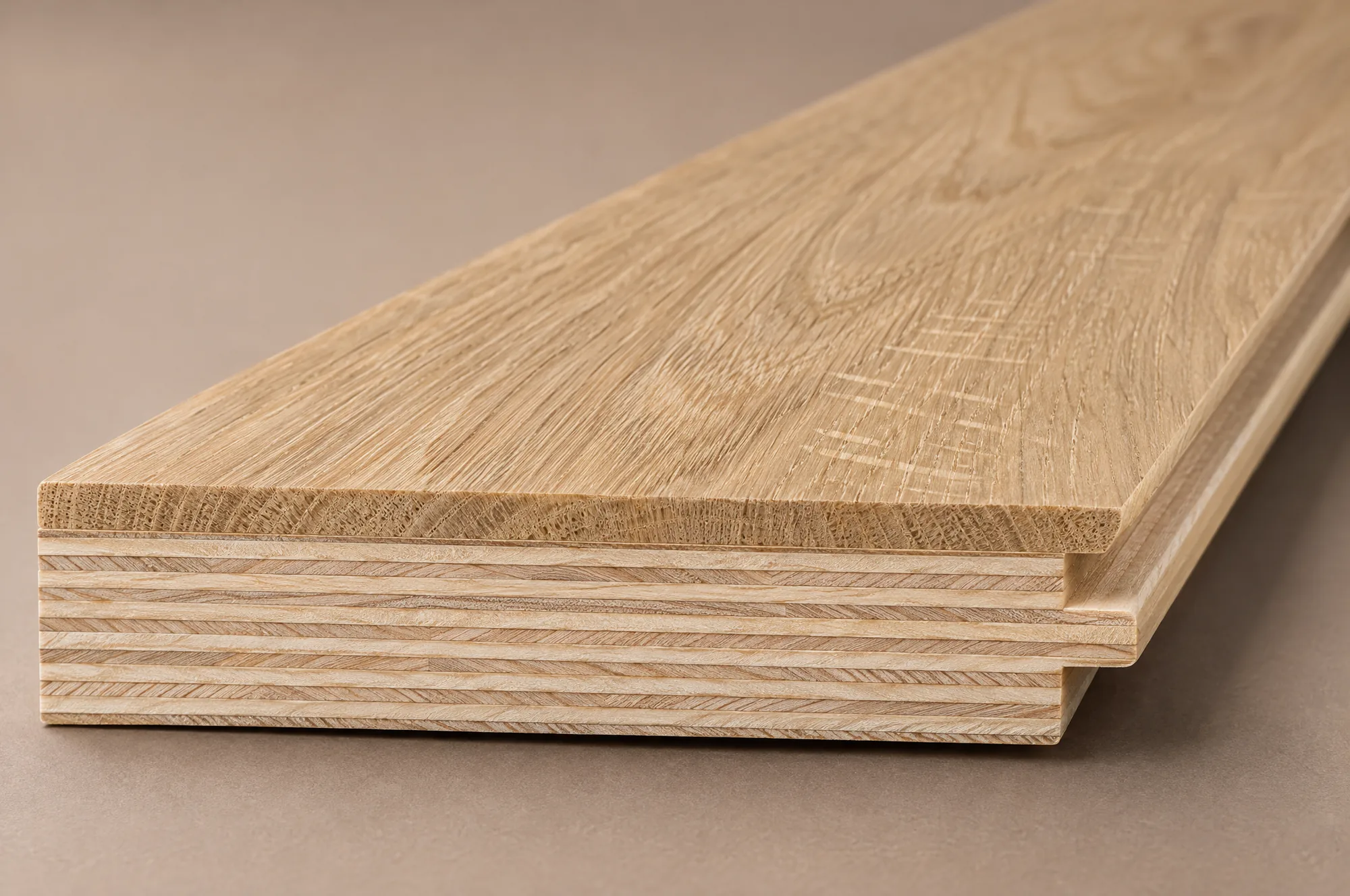
Solid hardwood is one piece of wood through its thickness. The National Wood Flooring Association (NWFA) defines engineered wood flooring as real wood from top to bottom, built in layers. It separates this from composite engineered flooring, which has real wood only on the wearable surface. Check the selected board’s construction when comparing products labeled engineered.
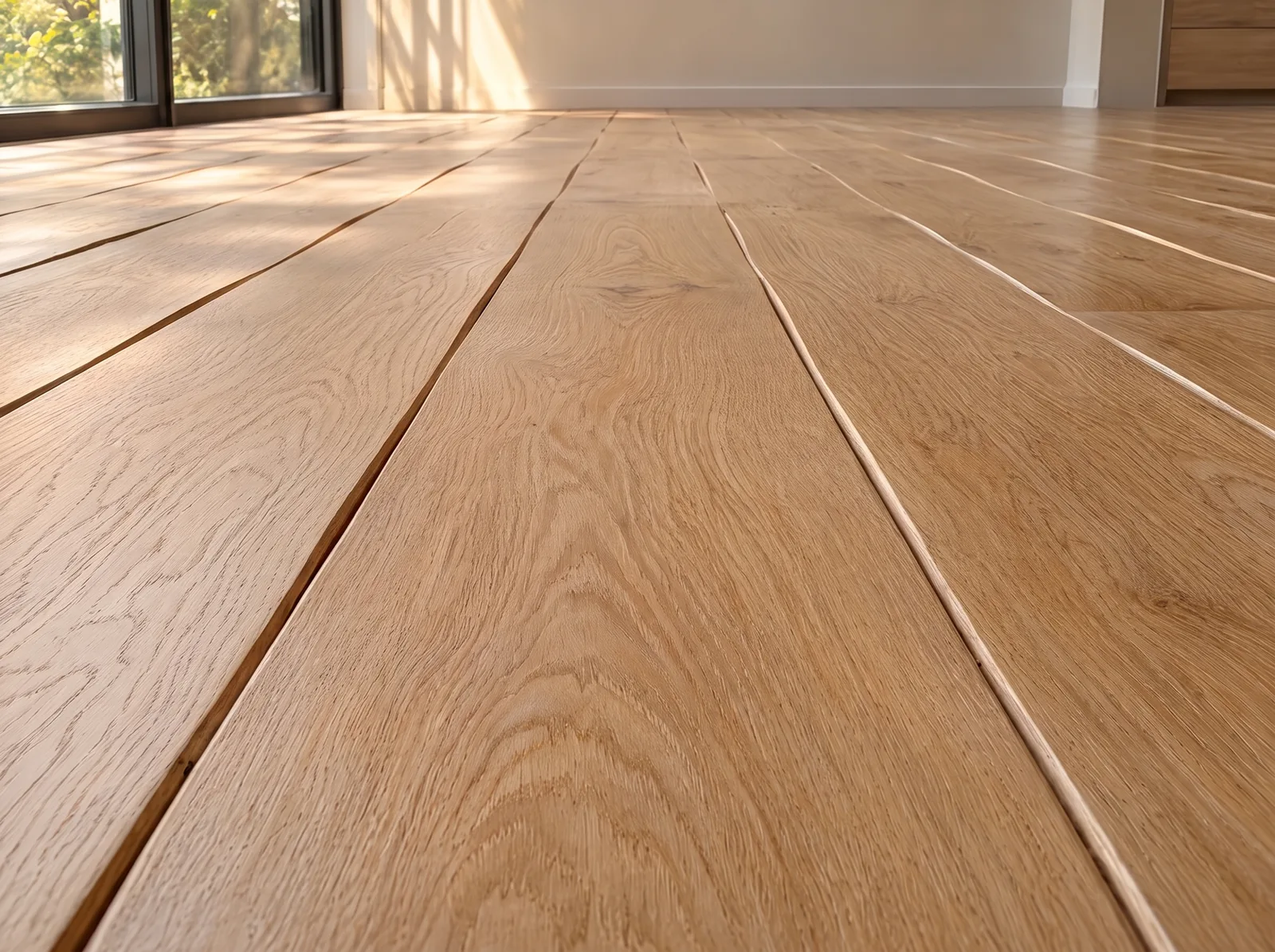
Solid hardwood
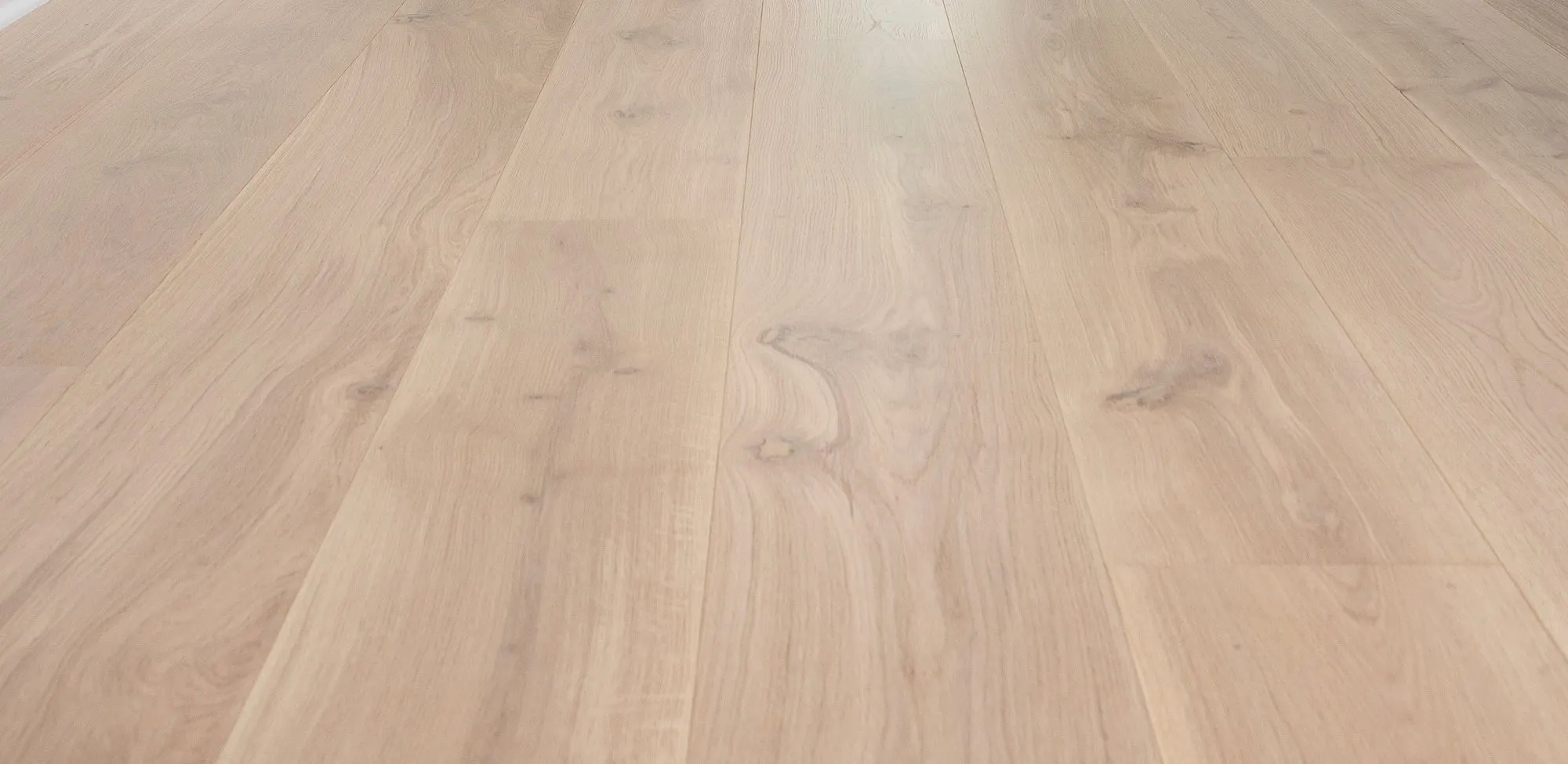
Engineered hardwood
Construction
Solid hardwood: One piece of wood from face to back.
Engineered hardwood: Real wood throughout, in layers; composite engineered is a separate category.
Humidity response
Solid hardwood: Expansion and contraction depend on species, cut, width and conditions.
Engineered hardwood: Generally less dimensional movement; still requires appropriate conditions.
Sanding reserve
Solid hardwood: Can allow repeated sanding; assess the floor’s usable wood and condition.
Engineered hardwood: The real-wood wear layer and floor condition guide the available work.
Concrete installation
Solid hardwood: Requires a specifically suitable product and installation system.
Engineered hardwood: Approved glue-down or floating methods vary by product.
Construction and surface hardness answer different questions. Compare species, finish, texture and intended use separately from the layers beneath the surface. For wide boards, use the installation requirements for that particular width.
Plan for humidity through the year.
Engineered wood’s layered construction helps limit expansion and contraction compared with solid wood. NWFA identifies this difference in its Types of Wood Floors guidance.
Both constructions need the manufacturer’s indoor temperature and relative-humidity conditions. For a seasonal home, plan how to maintain them during an extended absence, including the air-conditioning settings the floor requires.
Before installation, have the installer review the flooring, substrate and jobsite conditions against the selected product’s instructions. Conditioning follows those findings rather than a fixed number of days in a box. Include other renovation work that introduces moisture when deciding whether the room is ready for the wood.
Compare usable wood, not total thickness.
Use the wear-layer specification to discuss future sanding. An engineered board’s total thickness includes supporting layers, so equal board thicknesses can contain different amounts of surface wood. For either construction, the useful question is how much usable wood remains and what work the floor’s condition allows.
NWFA lists wear-layer thickness, flatness, condition, equipment and the contractor’s skill as factors in sanding potential. Those factors rule out a guaranteed refinish count based on the product name alone. A maintenance coat renews a compatible existing finish; sanding back to bare wood is a different treatment. Check the manufacturer’s guidance for the selected finish.
A new floor
Check whether the chosen surface and finish permit sanding or recoating. Consider how a future color change relates to the texture and appearance you are selecting today.
An existing floor
Gather the product identification and any sanding history for the installer. Have the remaining usable layer and current condition assessed before planning restoration or choosing replacement.
Texture and edge details
Discuss how sanding could change brushing, distressing or bevels. Decide which surface details you want to retain when weighing restoration against the appearance of a new floor.
Choose a permitted concrete installation method.
NWFA’s Concrete Subfloors guidance allows solid and engineered wood over properly prepared concrete, following the flooring and adhesive manufacturers’ requirements. Choose the attachment and supporting system with the installer. The guide to hardwood on a Florida slab covers the broader site-review questions; the methods below explain the construction choices.
Glue-down: match the products.
An approved engineered floor can be bonded to concrete with its specified adhesive and preparation system. For solid wood, check whether the manufacturer permits direct bonding. Keep the wood, adhesive and any moisture-control layer together in the proposal, with the installer confirming compatibility against the substrate findings.
Floating: use a permitted board.
A floating wood floor joins together without attachment to the substrate. Use an engineered product that permits this method. NWFA advises against floating solid wood unless the manufacturer specifically recommends it. Review room dimensions, fixed objects, transitions and the permitted underlayment together so the proposed layout follows that product’s instructions.
Fastening: include the supporting subfloor.
NWFA’s Installation Guidelines cover nail-down flooring over suitable wood substrates. A proposed wood subfloor over concrete belongs in the complete assembly review. Include its height at doors, adjoining rooms and stairs, as well as moisture beneath it. In a condo, your association’s current sound and renovation rules govern the proposed assembly.
“The quality and workmanship of our 10" wide Riva wood floors and tile backsplash is outstanding and his team's work has transformed our home.”
Solid can still suit the right room.
Consider solid wood when a suitable wood subfloor is already in place on or above ground, or when matching an existing solid floor is a priority. Those situations deserve their own review. They present a different starting point from choosing a new floor over a bare concrete slab.
Put the proposed solid-wood system beside an engineered option with a similar species, grade and finish. Compare the supporting work, finished height and maintenance, along with product availability for your scope. This gives you a practical reason to choose one construction while keeping the appearance you want central to the decision.
Bring boards, specifications and room photos.
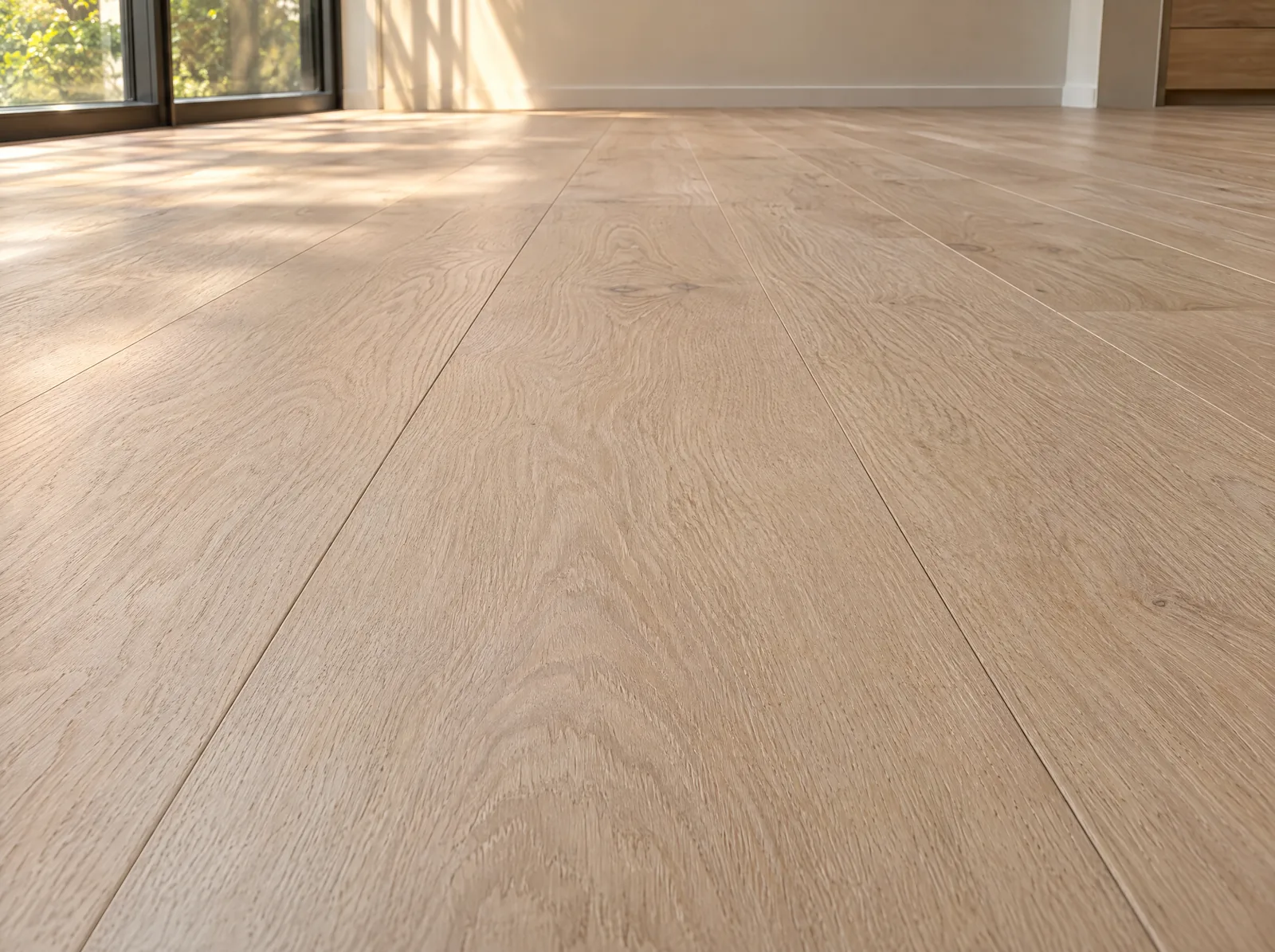
Bring photos of the existing floor and thresholds, a room plan and any association requirements to the Naples showroom. For each hardwood option, put construction, wear layer, finish and permitted installation methods beside the sample.
ProFloors’ hardwood selection includes engineered European white oak from RIVA Spain. Request a showroom visit to compare available boards with the finishes that will stay in your home. The ProFloors process includes one project manager from selection through installation. Request a visit →
Sources (5)
- NWFA: Real Wood Definition
Defines solid, engineered and composite engineered construction by the material in their layers.
- NWFA: Types of Wood Floors
Explains the difference in dimensional movement between solid and engineered wood flooring.
- NWFA: Refinishing Your Floors
Identifies the floor-specific factors that affect sanding and distinguishes refinishing from a maintenance coat.
- NWFA: Concrete Subfloors
Allows solid and engineered flooring over properly prepared concrete subject to manufacturer requirements.
- NWFA: Installation Guidelines
Supports jobsite conditioning and the glue-down, floating and nail-down methods, including suitable wood supporting substrates.
Questions, answered.
Reviewed by Cedric Eckenrode, owner · Updated November 2026
The showroom
- 2033 Trade Center WayNorth Naples, FL 34109
- Mon–Fri 8am–5pmSat 10am–2pm
- Is engineered hardwood better than solid hardwood in Florida?
- Engineered hardwood is usually the more practical starting point over a Florida slab because it generally moves less with humidity changes and offers product-approved concrete installation options. Solid can still work in suitable conditions. Compare the exact construction and method, and maintain the environment required by either selected floor.
- Can solid hardwood be installed over concrete?
- Yes, when the exact solid floor and supporting installation system are suitable for the concrete and room conditions. Do not assume a conventional nail-down board can attach directly to a slab. Obtain manufacturer permission for the proposed method and review moisture, preparation and finished height before committing to that assembly.
- Can engineered hardwood be refinished?
- Some engineered hardwood can be sanded and refinished, depending on the product and its condition. Use the wear-layer specification and manufacturer guidance, then ask the installer to assess the floor’s flatness and condition. A maintenance coat and sanding back to bare wood are different treatments with different requirements.
- Does a thicker engineered board mean more refinishing?
- No. Overall board thickness includes supporting layers beneath the real-wood surface. The usable wear layer, floor flatness and condition help determine sanding potential, along with the equipment and contractor’s skill. Review those factors and the manufacturer’s guidance rather than choosing a board for a promised number of refinishes.
- One project managerFrom selection through installation
- No cost to come in and askBring your questions, photos or plans
- Trade buys here tooYour builder or designer can buy here
5.0· 46 Google reviewsBBB A+ AccreditedFamily-owned since 1998


Keep reading
All guides


More from ProFloors on this
Bring your questions to the showroom.
Solid vs engineered hardwood: what changes over a Florida slab.