
Room by room · 7 min read
Best flooring for a Naples kitchen: porcelain, wood, vinyl or stone
Compare porcelain, engineered wood, luxury vinyl and stone for spills, dropped dishes and an open-plan kitchen.

Reviewed by Cedric Eckenrode, ownerUpdated November 2026
The short answer
Choose porcelain for a Naples kitchen where spills and easy cleaning come first. Choose engineered wood when the floor should run into the living room and you wipe spills promptly. Water-resistant luxury vinyl is a wood-look alternative, and natural stone suits if you accept its care. See them together at ProFloors & Cabinets in North Naples.
Choose for the kitchen you actually use.
Start with how you cook. Daily meals put different demands on a floor than occasional entertaining in a seasonal home. Mark the sink, dishwasher, refrigerator and route from the lanai, including where water, food and grit collect. Rank your priorities: simpler cleaning, standing comfort, natural material or a continuous floor into the living room.
Fix leaks and resolve moisture beneath the existing floor before installation. Luxury vinyl is water-resistant, not waterproof; an unattended leak can still damage cabinets, walls and the supporting floor. For a Southwest Florida second home, decide who will notice a plumbing problem while you are away.
Compare porcelain with engineered wood.

Porcelain floor tile
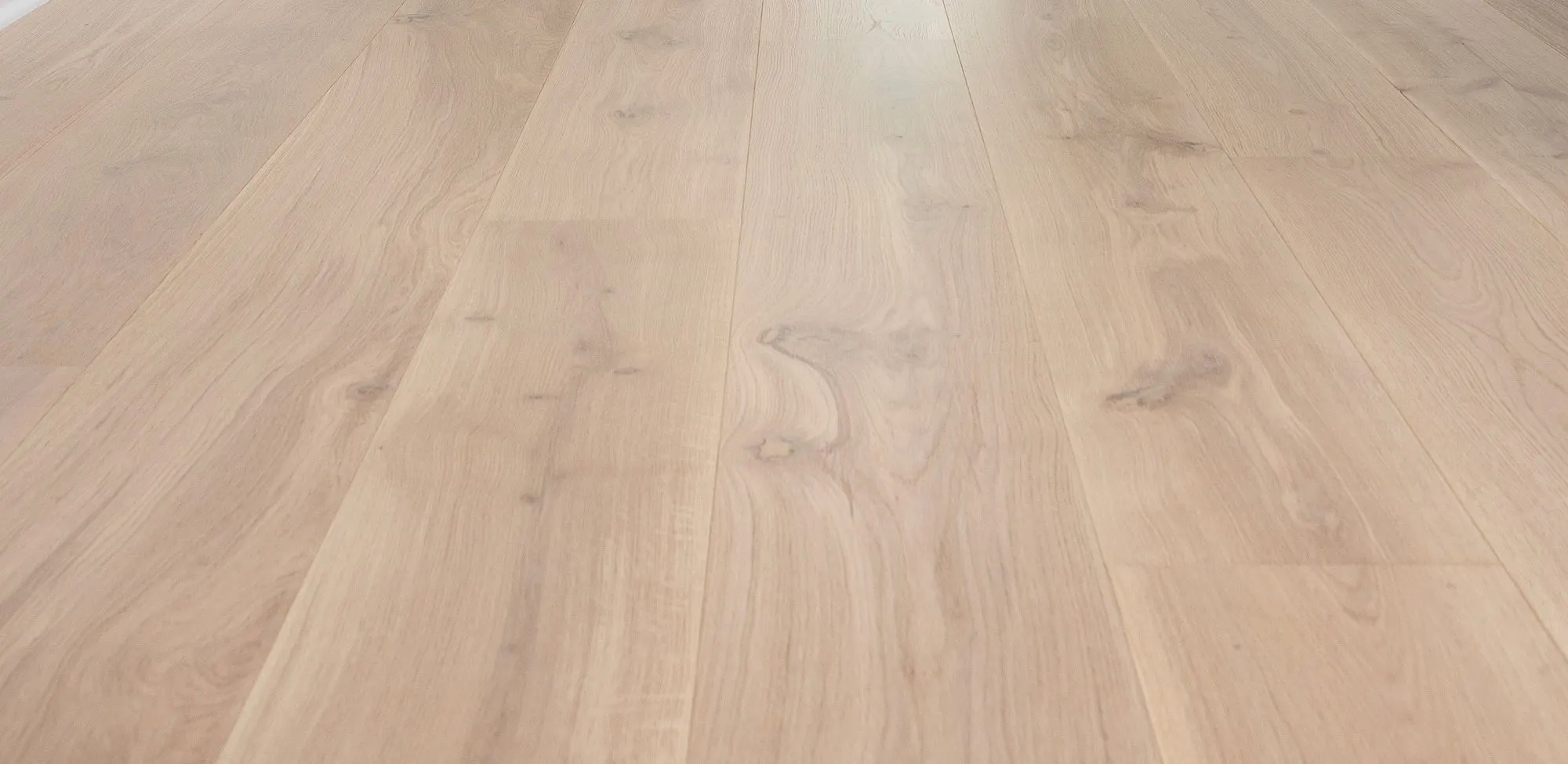
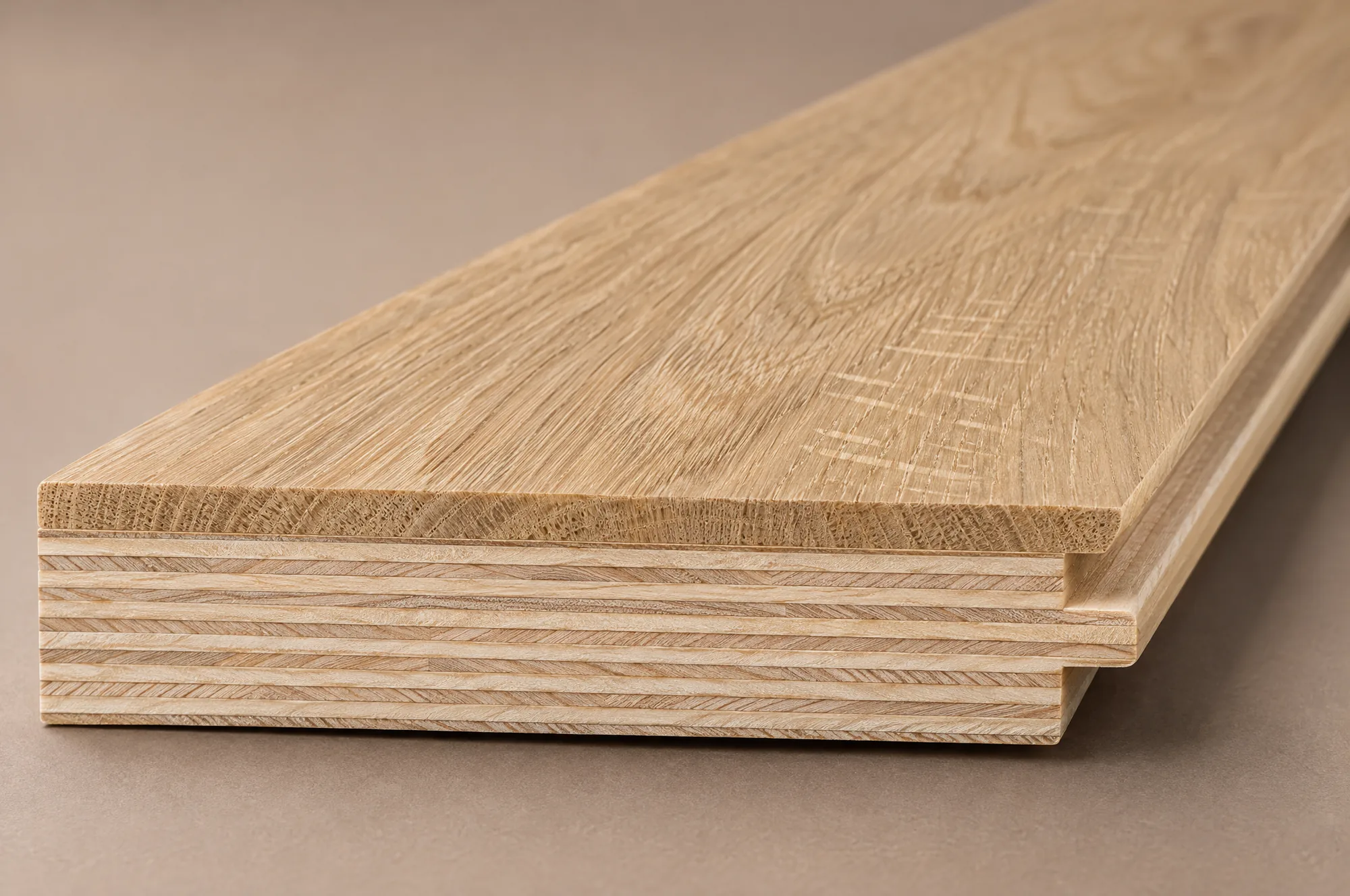
Engineered hardwood
Best reason to choose it
Porcelain floor tile: Frequent cooking and a cleaning routine suited to tile and grout.
Engineered hardwood: A real-wood surface continuing into dining and living spaces.
Daily cleaning
Porcelain floor tile: Use the cleaning method specified for the tile and grout.
Engineered hardwood: Remove spills promptly and use a cleaner made for the wood finish.
Dropped objects
Porcelain floor tile: A hard surface; dishes may break and tile can chip under impact.
Engineered hardwood: Wood can dent or scratch; finish and construction affect repair choices.
Design detail
Porcelain floor tile: Choose format, grout and transitions as part of the layout.
Engineered hardwood: Review grain, board variation, direction and adjoining wood together.
Before ordering
Porcelain floor tile: Match floor-use suitability, surface finish and the tile assembly to the kitchen.
Engineered hardwood: Match kitchen-use instructions, slab conditions and installation method to the product.
Porcelain gives you a distinct tiled work area; engineered wood connects the kitchen to a larger wood-floored room. Let that design decision narrow the choice, then read the care instructions for the exact product. The National Wood Flooring Association (NWFA) recommends finish-specific cleaners for wood and advises against wet or steam mops. Choose the routine you will keep.
Where luxury vinyl and stone fit.
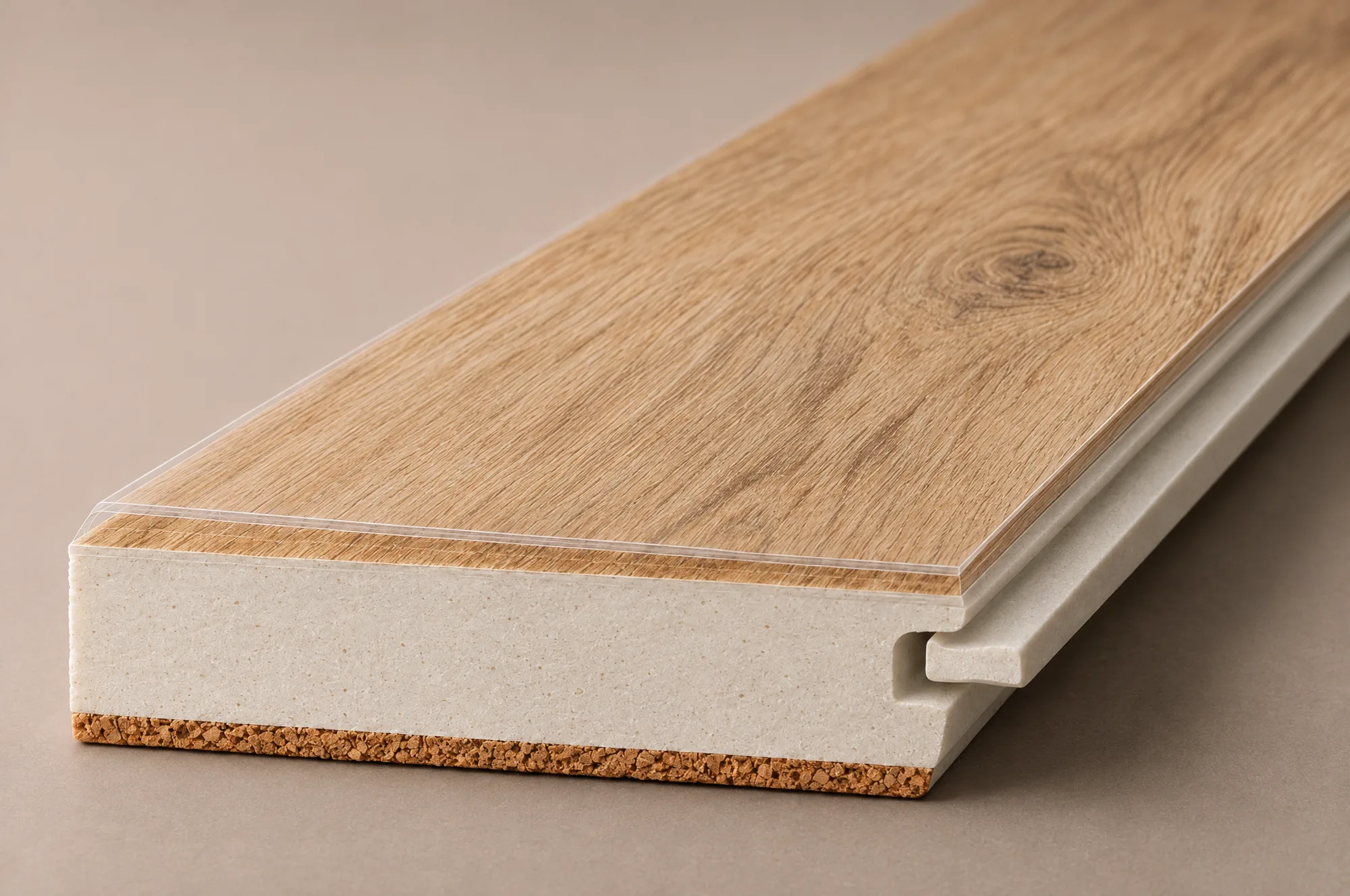
Luxury vinyl plank Luxury vinyl for a different underfoot feel
Consider water-resistant luxury vinyl when you prefer its feel to tile and want a wood-look surface. Stand on the actual construction. Review kitchen use, appliance indentation, sunlight and cleaning in its instructions, along with the transition into adjoining rooms.

Natural stone Natural stone when its care suits you
Choose a floor-rated stone and finish for genuine material and natural variation. Marble and limestone need particular attention around acidic food and cleaners. Sealing can improve stain resistance on appropriate stones; it does not make stone stain-proof.
Stone-look porcelain and natural stone can look close in a single sample. Lay out several pieces and look at their variation and edges. The Natural Stone Institute advises identifying a stone’s composition before choosing cleaners. Keep its care sheet beside the samples so appearance and the daily routine carry equal weight in your decision.
Balance water, impact and standing comfort.
Plan for the dropped pan as well as daily wear. Tile can chip, wood can dent and resilient flooring can show indentation or cuts. Discuss repair or replacement with the installer for the proposed layout. If you want spare material, settle the quantity before ordering so the plan does not depend on finding a color match later.
For long cooking sessions, spend time standing on the samples. Judge the feel where you will use it, rather than only by hand. A standing mat needs backing compatible with the floor finish and flat edges. Place it clear of appliance openings and walking routes to avoid a trip hazard beside the sink.
For porcelain and stone, use the manufacturer’s intended-use information for the actual finish. The Tile Council of North America (TCNA) explains that friction data alone cannot predict slipping: water, grease, cleaning residue and maintenance also matter. Include tile texture in the cleaning decision, with a routine that removes cooking soil without leaving a film.
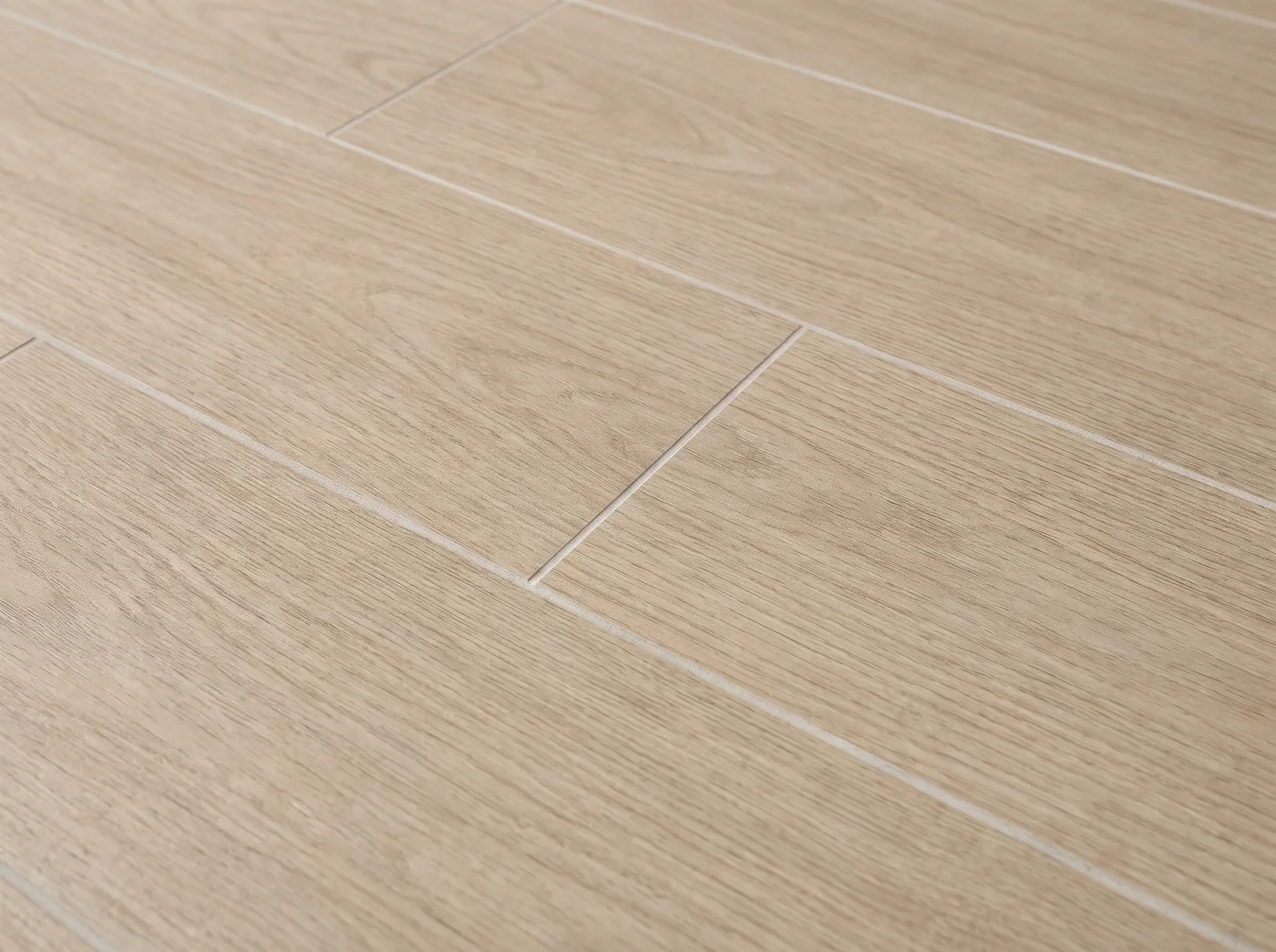
Make the kitchen belong to the open plan.
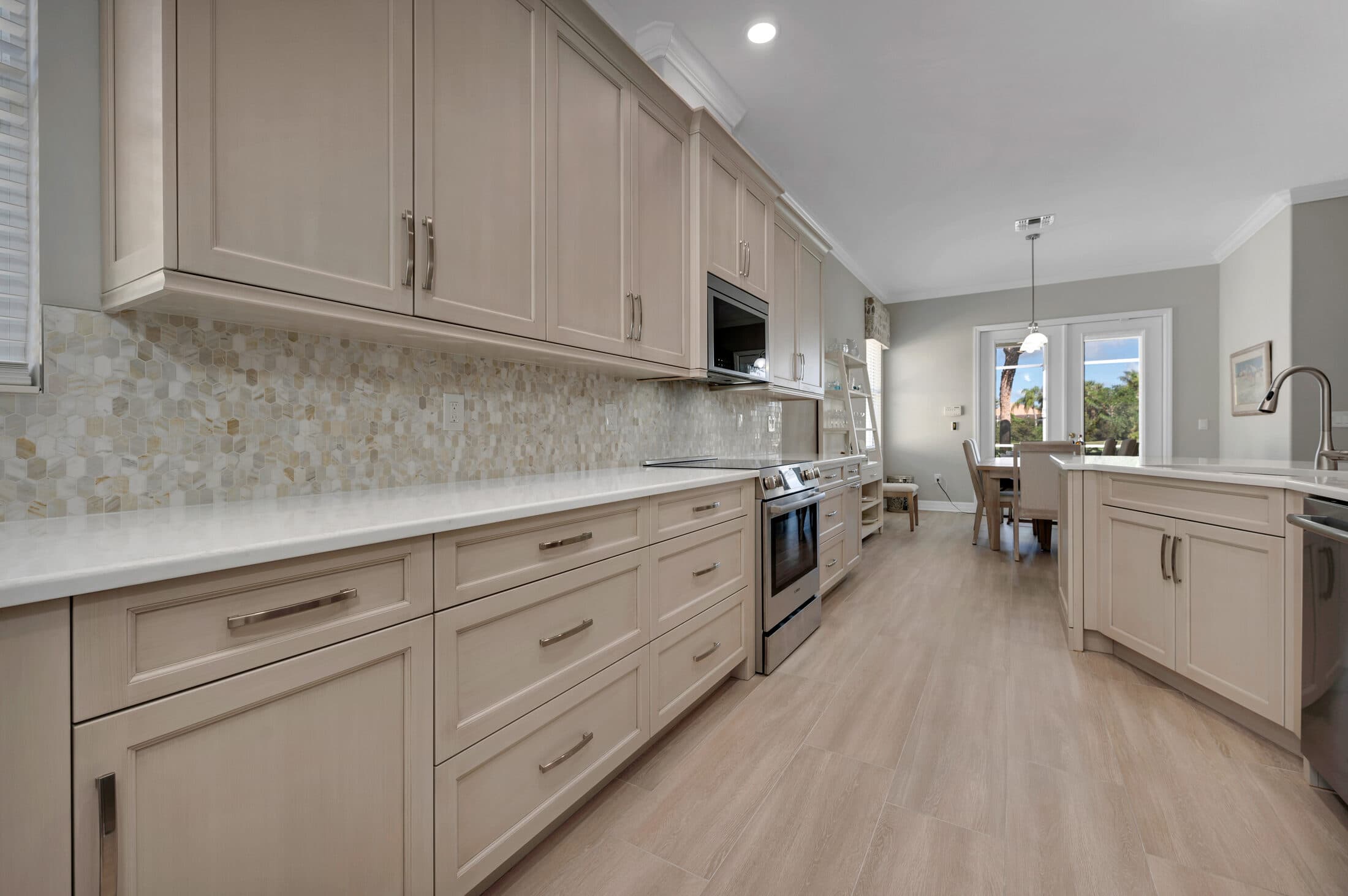
View the floor from the living room as well as beside the cabinets. A continuous surface keeps the island within the larger room; a change of material defines the cooking area. If you choose tile beside wood, look for a coordinated tone and a deliberate transition rather than an almost identical wood look.
With white cabinets, check the undertone against your counter, wall paint and existing wood. Warm white can make a cool gray floor read differently than it did alone. Lay samples horizontally and compare them in daylight and evening light. Review grout with porcelain and several boards with wood or vinyl so the decision includes pattern repetition and variation.
“Our project manager Adrian Manrique was amazing…from design, coordination with our appliance vendor, multiple visits to site to make sure everything was perfect to final installation and punch list my wife and i could not be happier.”
Resolve heights and sequence before ordering.
Settle what stays before choosing the installation sequence: cabinets, island and appliances. Have the installer check preparation, finished floor heights and dishwasher removal. In a condo, the association’s current renovation and acoustic rules govern the proposed floor assembly; obtain them before accepting an underlayment proposal.
Use the cabinet-sequencing guide to plan the order of work once the installation method is known. Bring the cabinet layout and appliance details to that discussion, especially if the cabinets stay.
For wood over concrete, use the hardwood-on-a-Florida-slab guide for the moisture and installation-system questions. Keep those requirements with your kitchen plan before ordering.
Bring the kitchen finishes together.
Bring kitchen and adjoining-room photos, a cabinet door or finish sample, counter information and appliance models. Mark what will remain. At ProFloors & Cabinets you can compare flooring and semi-custom cabinetry side by side, with one project manager from selection through installation. Start with two floor choices that fit your cooking habits and care preferences.
Sources (3)
- NWFA: wood floor maintenance
Supports prompt spill removal and cleaning methods appropriate for a wood floor’s finish.
- Natural Stone Institute: care and cleaning
Explains stone composition, acid-sensitive surfaces and the limits of impregnating sealers.
- TCNA: ANSI A326.3 questions
Explains why friction data, contaminants and project conditions all inform hard-floor selection.
Questions, answered.
Reviewed by Cedric Eckenrode, owner · Updated November 2026
The showroom
- 2033 Trade Center WayNorth Naples, FL 34109
- Mon–Fri 8am–5pmSat 10am–2pm
- What flooring is best for a kitchen in Naples?
- Choose porcelain when spills and straightforward daily cleaning lead. Engineered wood suits an open plan with prompt spill cleanup; water-resistant luxury vinyl offers a different feel. Choose natural stone for its variation when you will follow its care instructions. Match the exact product, finish and installation to your property.
- Is luxury vinyl good for kitchens?
- Yes, water-resistant luxury vinyl can suit a kitchen when the product permits that use and installation follows its instructions. Review underfoot feel, appliance loads, transitions and cleaning requirements. Treat leaks separately: surface water resistance cannot protect cabinets or the supporting floor from an unresolved plumbing problem beneath or beside the flooring.
- Can engineered hardwood work in a kitchen?
- Yes, engineered hardwood can work in a kitchen when the manufacturer permits it and the site and installation are suitable. Choose it for real wood and continuity with adjoining rooms. Remove spills promptly, use the recommended cleaner and maintain the required indoor environment, with care for dents and scratches too.
- Should kitchen flooring go before or after cabinets?
- The installation method and cabinet plan determine the order. Many floating floors must remain free to move around fixed cabinets and islands; other systems have different requirements. Review the exact instructions, finished heights and appliance access together, then use the separate cabinet-sequencing guide to organize the work.
- One project managerFrom selection through installation
- No cost to come in and askBring your questions, photos or plans
- Trade buys here tooYour builder or designer can buy here
5.0· 46 Google reviewsBBB A+ AccreditedFamily-owned since 1998




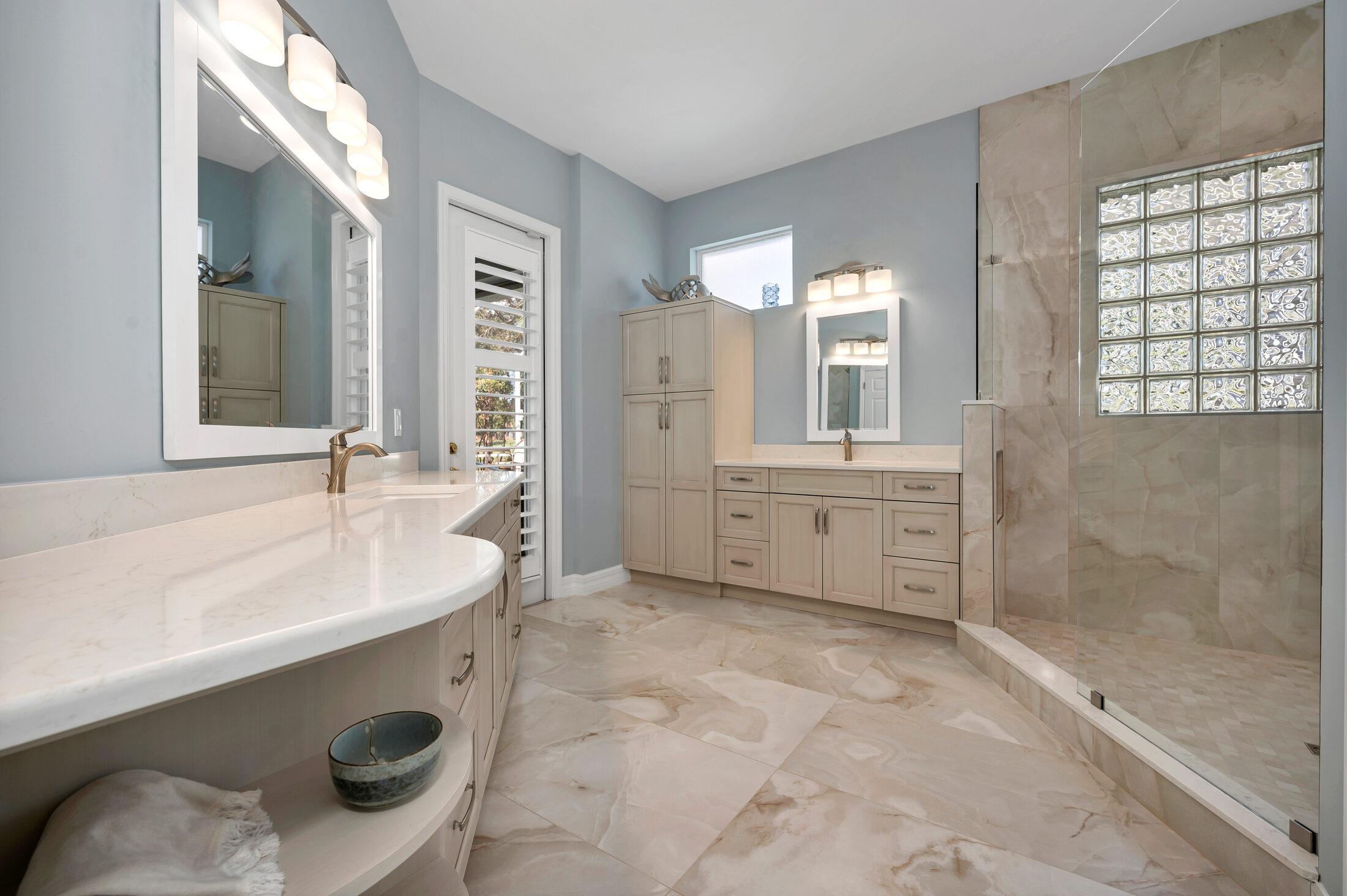
Bring your questions to the showroom.
Best flooring for a Naples kitchen: porcelain or wood?