
Room by room · 7 min read
Best flooring for a Naples bathroom: floor and shower, chosen apart
Choose between porcelain, natural stone and water-resistant luxury vinyl, with separate decisions for the bathroom and shower.

Reviewed by Cedric Eckenrode, ownerUpdated November 2026
The short answer
Start with porcelain tile for a Naples bathroom you use every day, in a finish recommended for wet use. Natural stone works when you will follow its care. Water-resistant luxury vinyl can go outside the shower where the maker permits it. Treat the shower floor separately. Browse the tile racks at ProFloors & Cabinets in North Naples.
Map where the water will land.
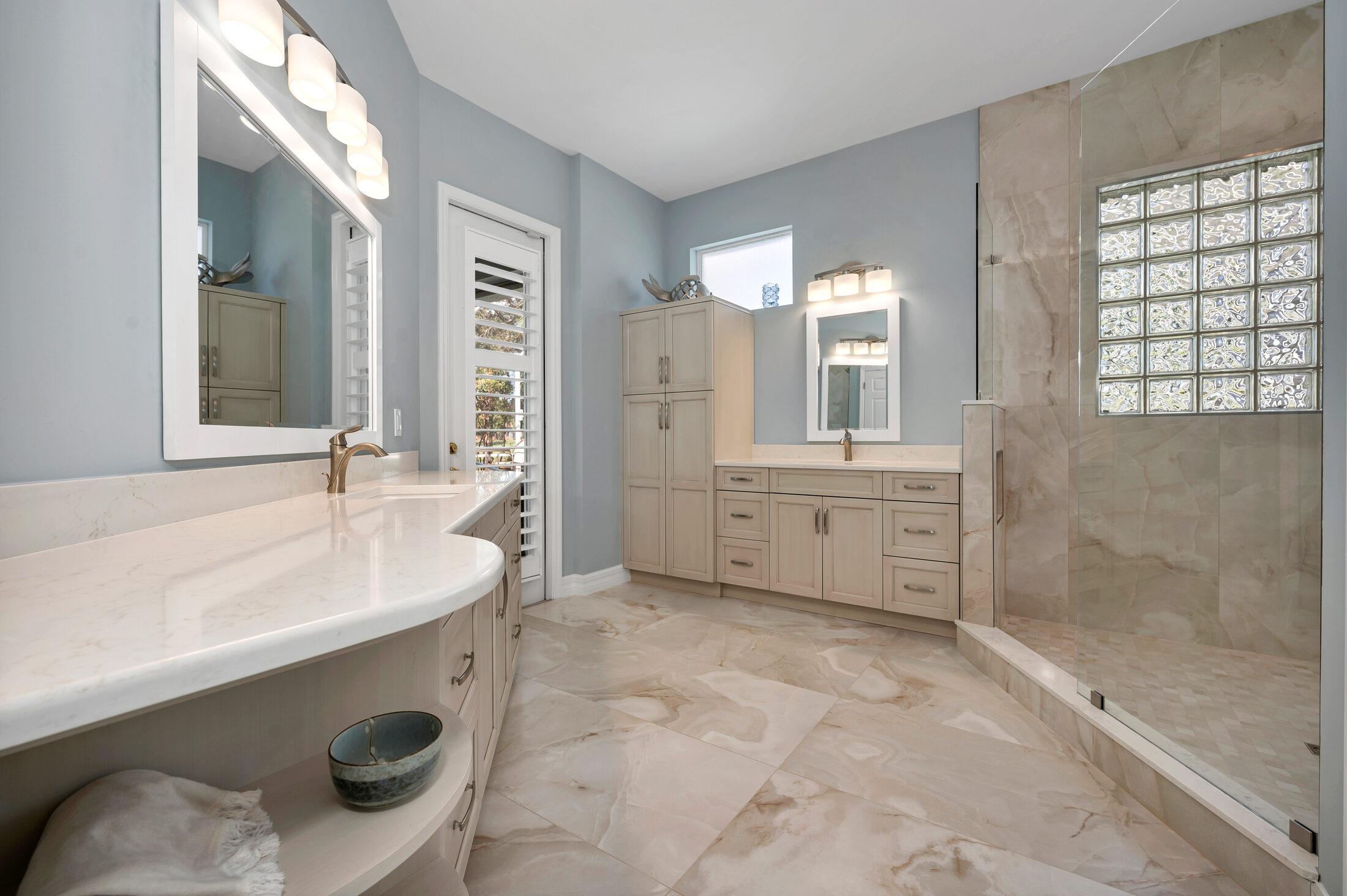
Plan around where water lands. A powder room, children’s bath and curbless primary bathroom have different exposure. Draw the tub, shower opening, vanity and door. Mark where someone steps out dripping, where the shower door swings and where towels are used. Bring that drawing to the showroom so we can match tile to each wet area.
A coordinated bathroom can use different tile formats. Keep a larger tile on the main floor and select the shower format around its slope and drain. For a curbless opening, have your designer or installer plan drainage and water containment into the surrounding room. Keep the main floor, entrance and shower on the same drawing.
Compare porcelain with natural stone.
Porcelain tile

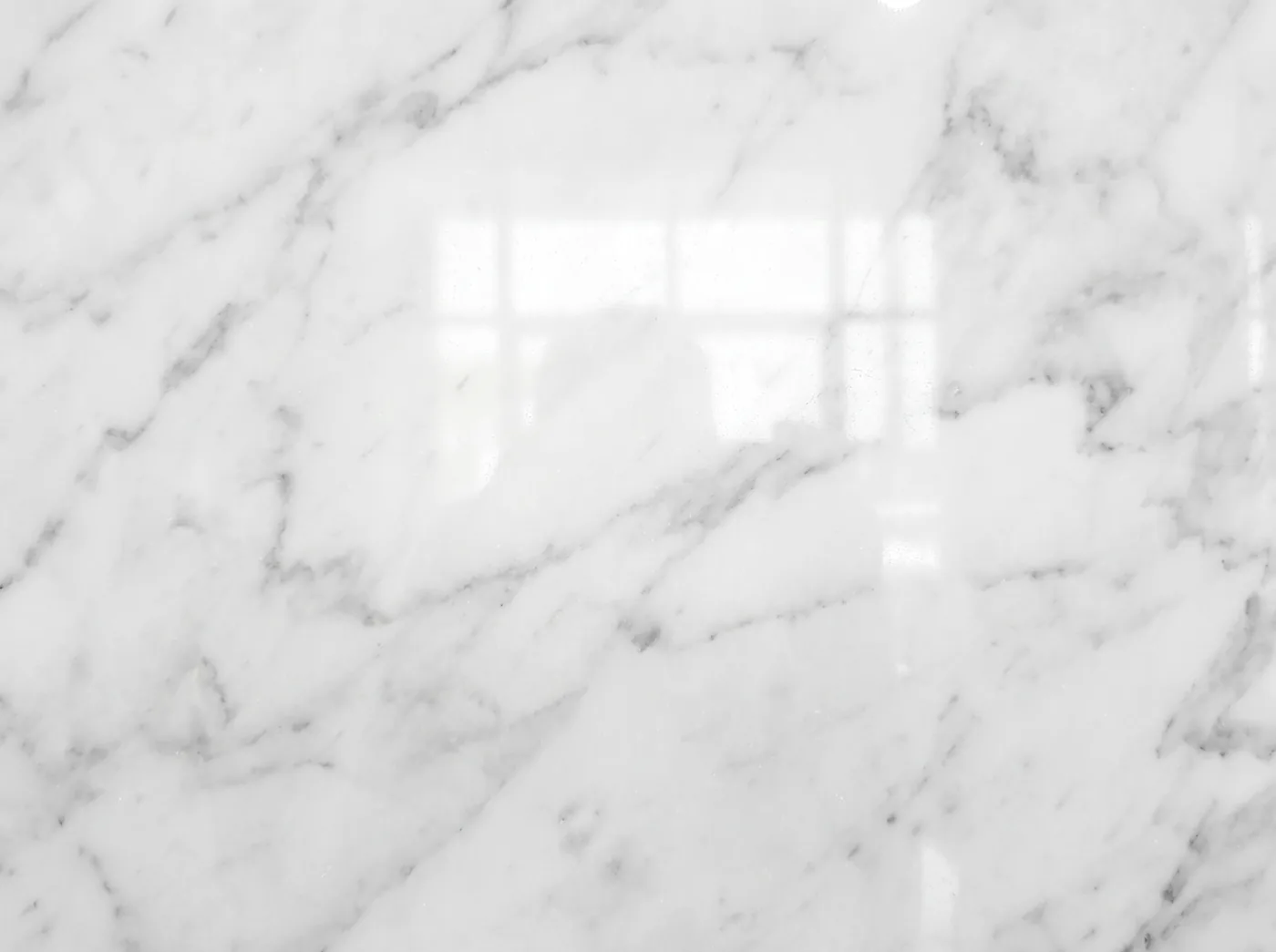
Natural stone tile
Choose it for
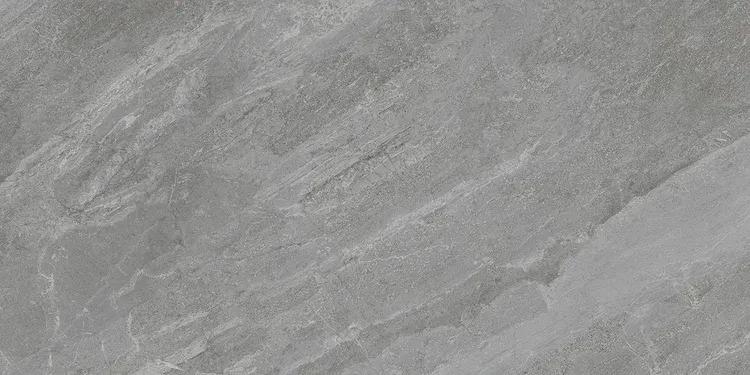
Porcelain tile: A manufactured surface with floor-rated options and a tile-and-grout care routine.
Natural stone tile: The variation and character of actual stone, with care matched to its composition.
Wet use
Porcelain tile: Use the intended-area recommendation for the exact format and finish.
Natural stone tile: Select the stone, finish and setting system together for the moisture exposure.
Cleaning
Porcelain tile: Follow the tile and grout instructions; remove soap and cleaner residue.
Natural stone tile: Use stone-safe cleaners; acidic products can etch marble, limestone and travertine.
Sealing
Porcelain tile: Include grout and any surface treatments in the care plan.
Natural stone tile: Use an impregnator only where recommended for that stone.
Visual review
Porcelain tile: Review several pieces for print variation and repeated patterns.
Natural stone tile: Review the expected range of veining, tone, texture and natural features.
For a frequently used family or guest bath, begin with porcelain and its tile-and-grout cleaning routine. Stone deserves a place on the shortlist when the material itself is a priority. Look at several pieces together for the range of veining and tone, then choose a finish you will enjoy seeing and caring for daily.
Keep luxury vinyl within its approved use.
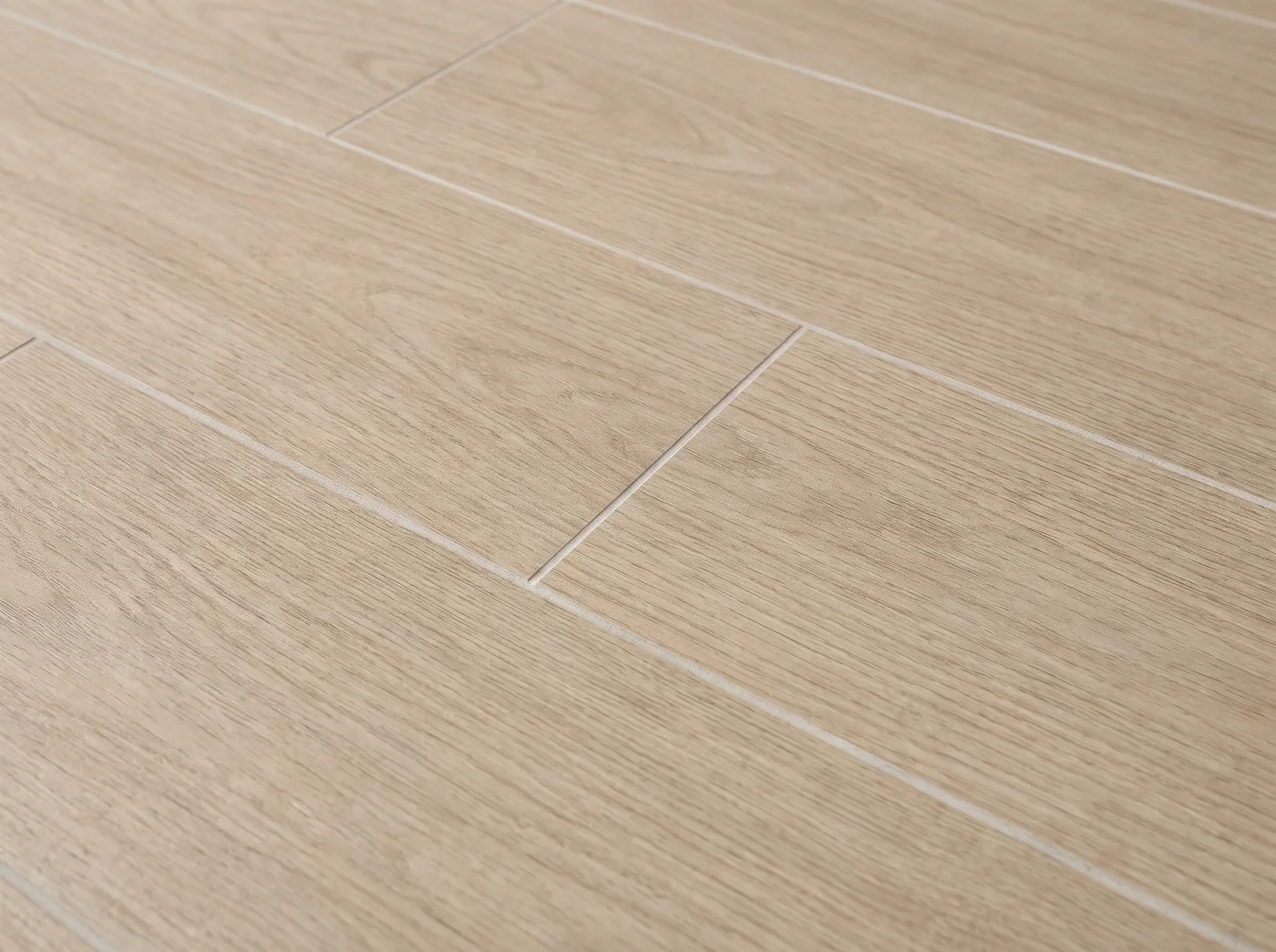
Consider luxury vinyl outside the shower when you want a wood-look floor with a different feel from tile. Use the exact product’s bathroom instructions to settle perimeter details, transitions and restrictions around tubs, toilets or fixed fixtures. Include those details in the layout before ordering the floor.
Luxury vinyl is water-resistant, not waterproof. Keep ordinary planks out of the shower, which needs a system designed for that use. Resolve leaks and moisture beneath the bathroom floor with the installer; surface water resistance does not protect the supporting structure from standing water.
Read slip information beyond the finish name.
Choose by the manufacturer’s intended-use recommendation for the exact tile. The Tile Council of North America (TCNA) explains that dynamic coefficient of friction, or DCOF (a wet slip rating), is one part of selection. The familiar 0.42 wet DCOF value, a matte label or a honed finish alone cannot establish slip resistance. Soap, drainage, maintenance and the way the floor is used also matter.
Name the exact surface
Record the format, finish and product code on the sample. Use those details to match the tile to its intended-use documentation.
Describe the real exposure
Include wet bare feet, soap and the shower exit. TCNA notes that A326.3 use categories do not address ramps or inclined surfaces; ask the manufacturer whether the tile is recommended for a sloped shower floor.
Include everyday care
Choose a routine for removing soap film and cleaner residue. Keep the tile and grout instructions together so everyone cleaning the bathroom follows the same guidance.
Choose tile size with grout and care.
Large tiles reduce the number of joints on a main bathroom floor; smaller formats can help with tight spaces and changes of plane. Choose scale from the actual room layout. Look at cuts around the toilet, vanity, doorway and shower entrance, including the pieces visible from the hall. A small bathroom can still be a candidate for larger tile.
Choose grout beside the tile, with joint width based on that product’s requirements. Pale grout may show some soils; darker grout can show pale residue. Look at the combination across several pieces so you can judge how strongly the joints read. Keep the grout’s cleaning and curing instructions with the tile selection.
For marble, limestone or travertine, match bathroom products to the stone. The Natural Stone Institute cautions that acidic cleaners can etch calcareous surfaces. An impregnating sealer may improve stain resistance where appropriate, but compatible cleaners remain essential. Keep plain care instructions available for visiting family and anyone who cleans the bathroom.
“We have had a tile floor replaced and an existing wood floor cleaned and oiled by ProFloors & Cabinets.”
Plan what sits below the finish.
Your ProFloors project manager coordinates the installer’s assessment of the existing floor and supporting surface before you decide what can remain over a Naples slab. On an upper floor, include the structure in the assembly review. The association’s current renovation and sound rules govern condo work, including the bathroom; obtain them before finalizing the installation.
TCNA’s shower guidance calls for compatible membrane and backing materials. Have your designer or installer identify the drain connection, curb or curbless entry, penetrations and testing in the proposed shower system. The shower-floor guide covers tile sizes, slopes and membranes in more detail, keeping those decisions connected to the main bathroom plan.
Bring a bathroom brief to the showroom.
Bring a sketch with dimensions if available, shower-entry and doorway photos, and your vanity finish. Describe who uses the bathroom and how often. At our North Naples showroom, lay the main floor, shower tile and grout beside one another. Start with the porcelain or stone option that fits the look and care routine you want.
Sources (3)
- TCNA: ANSI A326.3 questions
Supports the distinction between DCOF, product use classifications and project-specific slip considerations.
- TCNA: shower methods
Explains the need for a compatible membrane and backing combination within a shower method.
- Natural Stone Institute: care and cleaning
Supports stone-specific cleaner selection, acid sensitivity and the limits of sealing.
Questions, answered.
Reviewed by Cedric Eckenrode, owner · Updated November 2026
The showroom
- 2033 Trade Center WayNorth Naples, FL 34109
- Mon–Fri 8am–5pmSat 10am–2pm
- What is the best flooring for a bathroom?
- Start with porcelain for a bathroom used every day, choosing the exact format and finish for its wet-use recommendation. Natural stone offers variation with specific care; water-resistant luxury vinyl can work outside the shower where permitted. Select the shower floor and water-containment system separately from the main bathroom floor.
- Can luxury vinyl go in a bathroom?
- Yes, water-resistant luxury vinyl can go on a main bathroom floor when the manufacturer’s instructions permit it. Follow its perimeter, fixture and transition requirements. Keep ordinary planks out of the shower, which needs a system designed for that use, and resolve leaks or moisture beneath the bathroom floor before installation.
- Is matte bathroom tile slip resistant?
- A matte finish alone cannot tell you whether bathroom tile is slip resistant. Use the manufacturer’s classification and recommendation for the exact tile, including wet barefoot use where relevant. TCNA advises considering contaminants, maintenance, drainage and project conditions alongside friction data. Include soap residue and cleaning in that review.
- Is natural stone suitable for a bathroom floor?
- Yes, natural stone can suit a bathroom with a stone, finish and installation appropriate for the exposure. Use the supplier’s wet-area recommendation and cleaning instructions. Marble and limestone can etch from acidic products. Sealing may improve stain resistance on suitable stones, while compatible daily care remains part of the choice.
- One project managerFrom selection through installation
- No cost to come in and askBring your questions, photos or plans
- Trade buys here tooYour builder or designer can buy here
5.0· 46 Google reviewsBBB A+ AccreditedFamily-owned since 1998


Keep reading
All guides

More from ProFloors on this
Bring your questions to the showroom.
Best flooring for a Naples bathroom: start with porcelain.