
Room by room · 7 min read
Best flooring for a Naples staircase: runners or hardwood
Choose a stair surface with secure footing, clear step edges and a coordinated transition to the floors above and below.

Reviewed by Cedric Eckenrode, ownerUpdated November 2026
The short answer
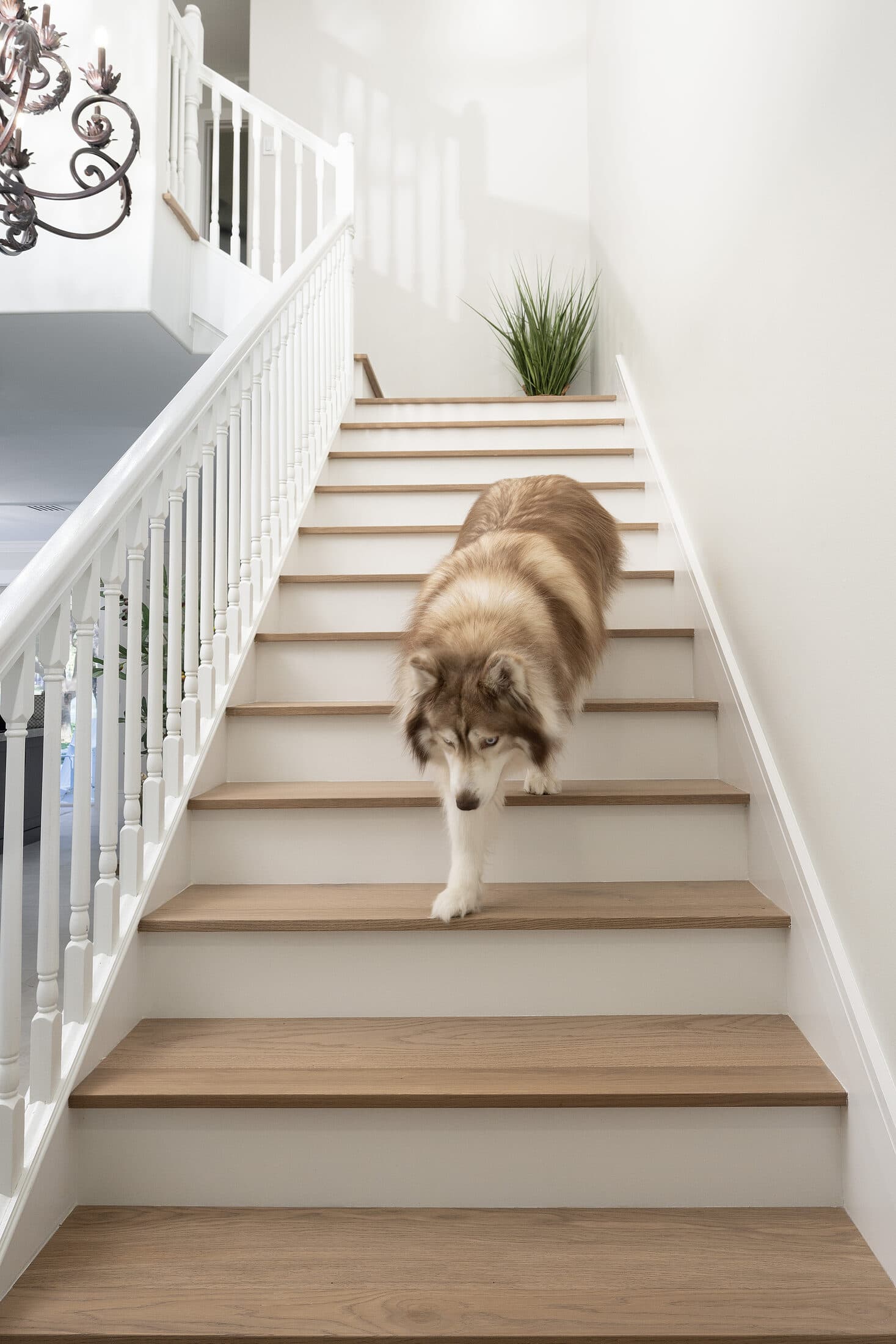
Choose a fitted carpet runner for softness and quieter footsteps, or hardwood treads when visible wood and a match to the adjoining floors matter most. Both need sound steps, secure installation and planned nosings. Use luxury vinyl only with the product's documented stair parts. A Wilshire Lakes home in Naples shows a custom hardwood staircase by ProFloors & Cabinets.
Review the staircase before selecting its finish.
Photograph the staircase from above and below, including every landing and its connection to the floor. Note loose coverings, movement and damaged corners. Have the installer assess the supporting stairs and necessary repairs before selecting the covering. Keep the first and last steps in the photos so both floor transitions are visible.
Think about the people and pets using the stairs, their footwear and the laundry or luggage carried along the route. Decide whether softness, quieter footsteps or visible wood comes first. Include cleaning in that decision: you will need to care for the surface on every tread, along the edges and across each landing.
Compare a runner with visible hardwood.
Fitted carpet runner
Hardwood treads
Best reason to choose it
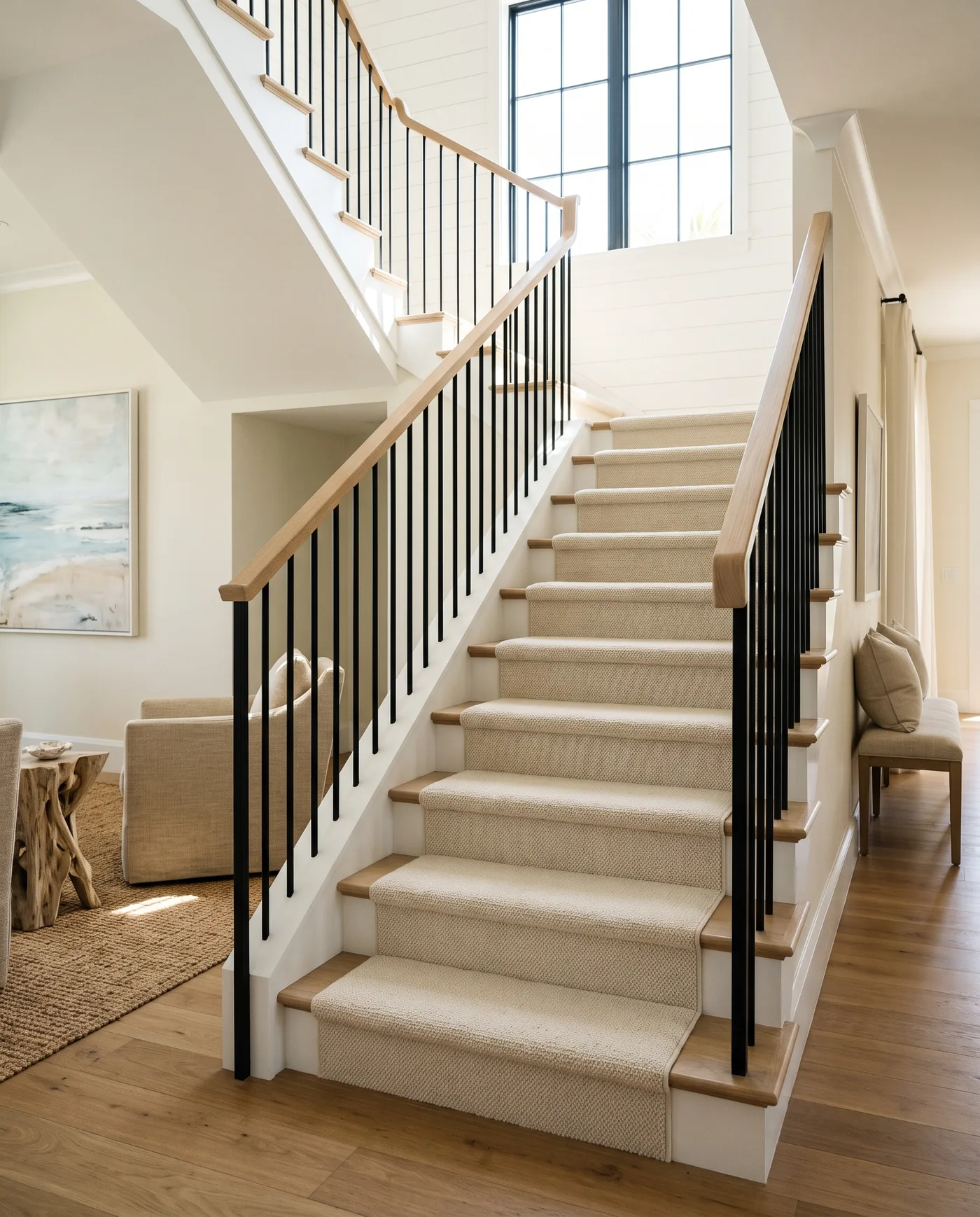
Fitted carpet runner: A textile surface underfoot while leaving part of the stair visible.
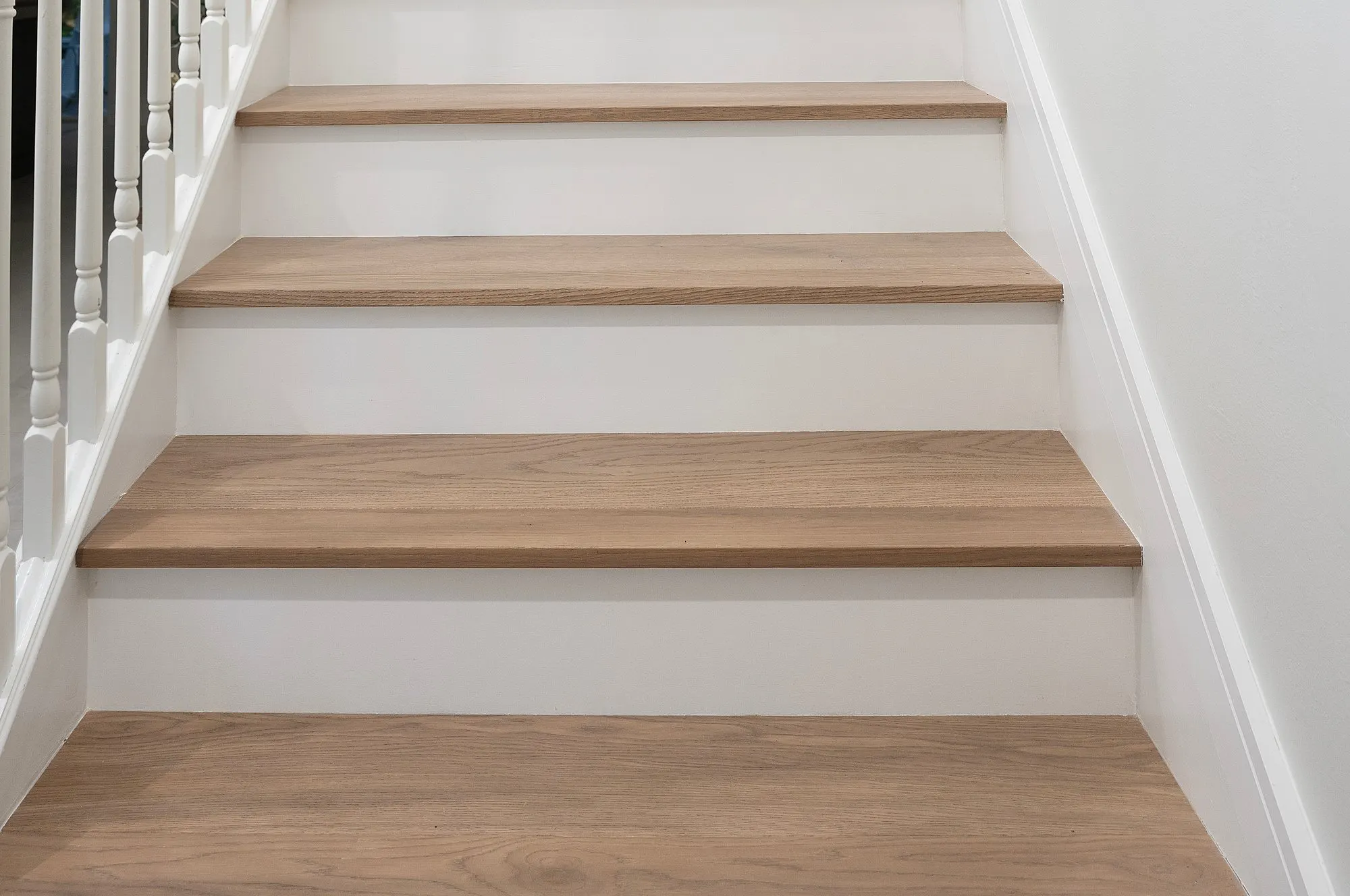
Hardwood treads: A visible real-wood stair that coordinates with the adjoining floor.
Footing review
Fitted carpet runner: Choose carpet suited to stairs and secure it with the specified installation method.
Hardwood treads: Review the tread surface, finish, leading edge and any approved traction detail.
Sound and feel
Fitted carpet runner: Adds softness and can quiet the sound of footsteps on the covered area.
Hardwood treads: A firm surface; assess the sound and feel of the actual stair construction.
Ongoing care
Fitted carpet runner: Vacuum treads and edges; address wear, looseness or lifted binding.
Hardwood treads: Remove grit and spills with finish-appropriate methods; inspect edges and joints.
Design coordination
Fitted carpet runner: Plan width, exposed margins, pattern direction and landings.
Hardwood treads: Plan tread, riser and nosing details alongside the floor and trim.
Full-width stair carpet is another choice if you want the whole tread covered. For a runner, look at the textile beside the exposed wood margins and riser finish. Use an actual tread detail to judge that combination. It brings the surface, edge and visible stair together more clearly than a room-floor sample alone.
Resolve nosings and finished step heights.
The nosing is the tread’s leading edge. Its shape, projection and connection to the riser affect the finished step and how carpet wraps it. A replacement tread, an overlay and a floor plank with a separate nosing are different constructions. Ask the installer to identify the proposed construction, attachment and edge support before you order.
Added material can change step heights, especially at the first and last risers. Have the installer check finished riser heights, tread depths, nosings and landings against the applicable requirements. Include the new floors above and below so the assessment covers the complete route, from one landing to the next.
Treat a runner as a stair installation.
Use carpet intended for stairs, with compatible cushion, attachment and edge finishing. CRI 105, the Carpet and Rug Institute’s residential carpet installation standard, requires clean, dry, structurally sound treads, risers and stair noses before carpet installation. Include its guidance on exposed edges and seams in the scope. Plan the runner around the actual stair rather than treating it as a long loose rug.
Width and pattern
Set runner width on the actual stair, including exposed margins and how the pattern follows turns. Plan cuts and seams for landings or winders alongside the straight run.
Cushion and attachment
Follow the carpet manufacturer’s cushion recommendations and stair method. Decorative rods do not replace the required attachment.
Finished edges and transitions
Specify binding or serging, exposed edges and the top and bottom terminations with the installer. Include secure corners and finished edges in the detail.
Require a specific detail for vinyl stairs.
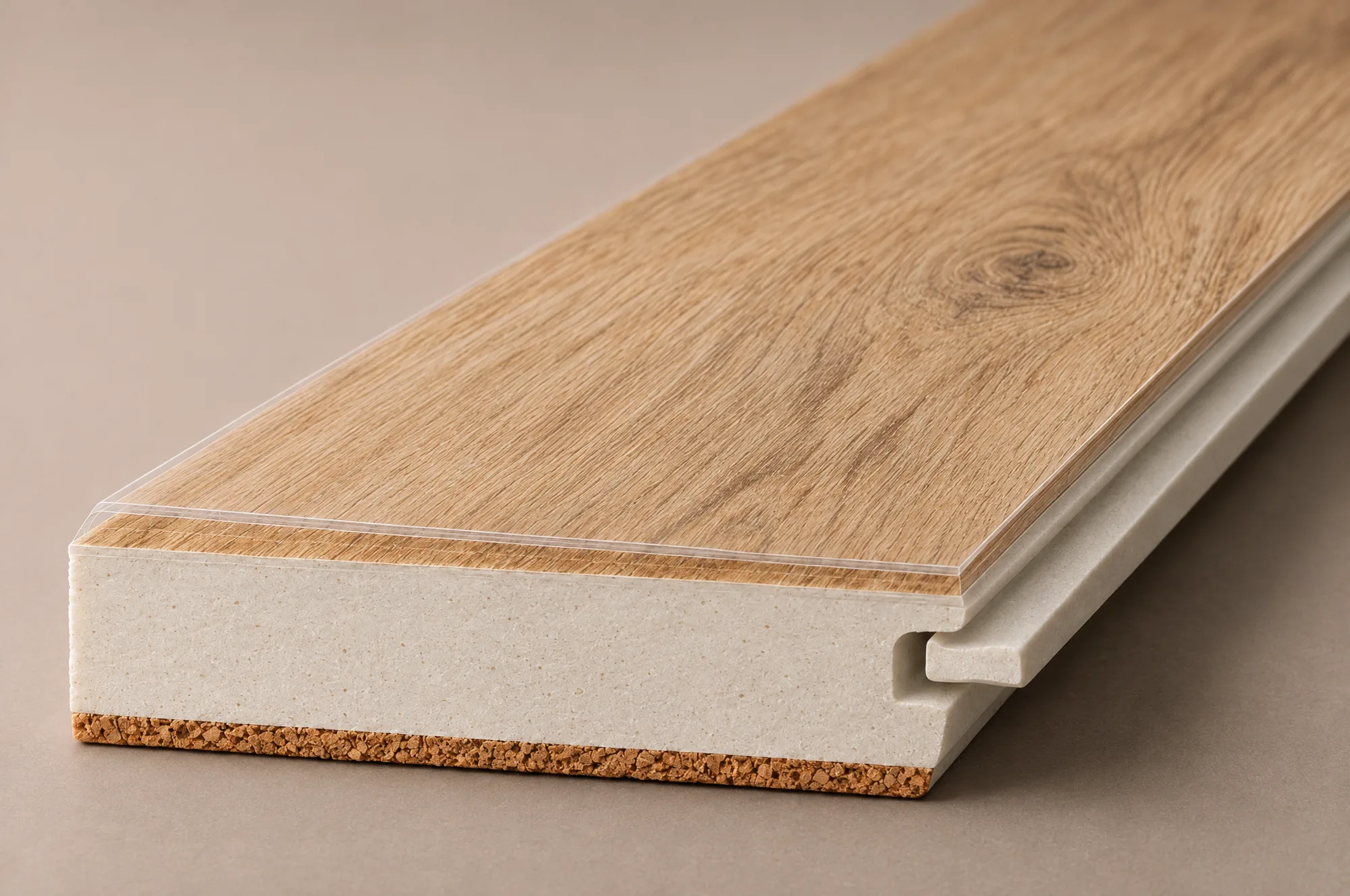
Choose luxury vinyl for stairs only when the exact product has an approved stair application and suitable components. Get the manufacturer’s tread or nosing detail, attachment method and preparation requirements before choosing the plank. Ask the installer to match those instructions to the supporting stairs and confirm component dimensions before ordering.
Place the actual stair component beside the floor sample. A shared color name can still come with a different texture, sheen or construction. Judge the pieces together, especially where the last tread meets the landing. Give secure attachment, usable geometry, surface suitability and the finished edge priority over water resistance.
Coordinate the floors above and below.
Bring samples from both landings. Coordinate the wood’s undertone and sheen rather than forcing an exact match between different constructions. A runner can connect carpet above with wood below; include the exposed tread margins and riser finish in that combination. Look at all those surfaces together before settling on the runner’s color and pattern.
The Wilshire Lakes portfolio shows a ProFloors hardwood staircase and adjoining wood floor. Look at how the treads, risers and surrounding room relate to one another. Keep your own measurements and component choices with the staircase plan.
Keep steps visible and maintain the surface.
Check the staircase in evening light as well as daylight. The U.S. Consumer Product Safety Commission’s (CPSC) home safety checklist calls for sound steps, securely attached slip-resistant surfaces, lighting and graspable handrails. Keep the treads clear and their leading edges visible. Have an appropriate professional address lighting or handrail concerns as part of the staircase review.
Vacuum runner treads and edges, checking for wear or movement as you go. For wood, the National Wood Flooring Association (NWFA) advises prompt spill removal, finish-specific cleaning and avoiding wet or steam mops. In a Naples second home, inspect the stair covering when you return, before carrying luggage up or welcoming guests.
Bring photos of the run and landings.
Bring wide photos, close-ups of the current step edges, a sketch of turns and landings, and adjoining-floor samples. At ProFloors, compare custom-bound stair runners and hardwood stair treads alongside your floor selection. Have the installer confirm field measurements and product details before ordering. Request a visit →
Sources (3)
- CRI 105: residential carpet installation
Section 15 addresses stair preparation, attachment, carpet direction and exposed edges.
- CPSC: home safety checklist
Supports reviewing stair condition, securely attached surfaces, handrails, lighting and clear walking routes.
- NWFA: wood floor maintenance
Supports prompt spill cleanup and wood-finish-appropriate care without wet or steam mops.
Questions, answered.
Reviewed by Cedric Eckenrode, owner · Updated November 2026
The showroom
- 2033 Trade Center WayNorth Naples, FL 34109
- Mon–Fri 8am–5pmSat 10am–2pm
- What is the best flooring for stairs?
- Choose a fitted, stair-suitable carpet runner for softness and quieter footsteps, or hardwood treads for visible wood. Both require secure installation, sound supporting steps and planned nosings and finished heights. Include the actual stair detail, lighting and handrails in the decision alongside the floor colors above and below.
- Are carpet runners safer than hardwood stairs?
- A runner adds softness but is not automatically safer than hardwood. Both need an appropriate surface, secure installation and sound supporting steps. Include lighting, handrails and the needs of the people using the stairs in the decision. Repair loose coverings or damaged steps before selecting a new stair finish.
- Can luxury vinyl plank be used on stairs?
- Yes, luxury vinyl can be used on stairs when the exact product’s manufacturer permits it and provides a suitable installation detail. Settle the tread or nosing components, preparation and attachment method before ordering. Use the stair instructions for that application; a floating room-floor installation is a different method.
- Do stair treads have to match the flooring?
- No, stair treads can coordinate with adjoining floors without matching them exactly. Look for a related undertone, sheen and riser finish, or use a runner to connect carpet and wood. Place physical samples of the actual stair components beside both landing floors and plan the transitions before ordering.
- One project managerFrom selection through installation
- No cost to come in and askBring your questions, photos or plans
- Trade buys here tooYour builder or designer can buy here
5.0· 46 Google reviewsBBB A+ AccreditedFamily-owned since 1998


Keep reading
All guides
More from ProFloors on this
Bring your questions to the showroom.
Best flooring for Naples stairs: runners or hardwood?