
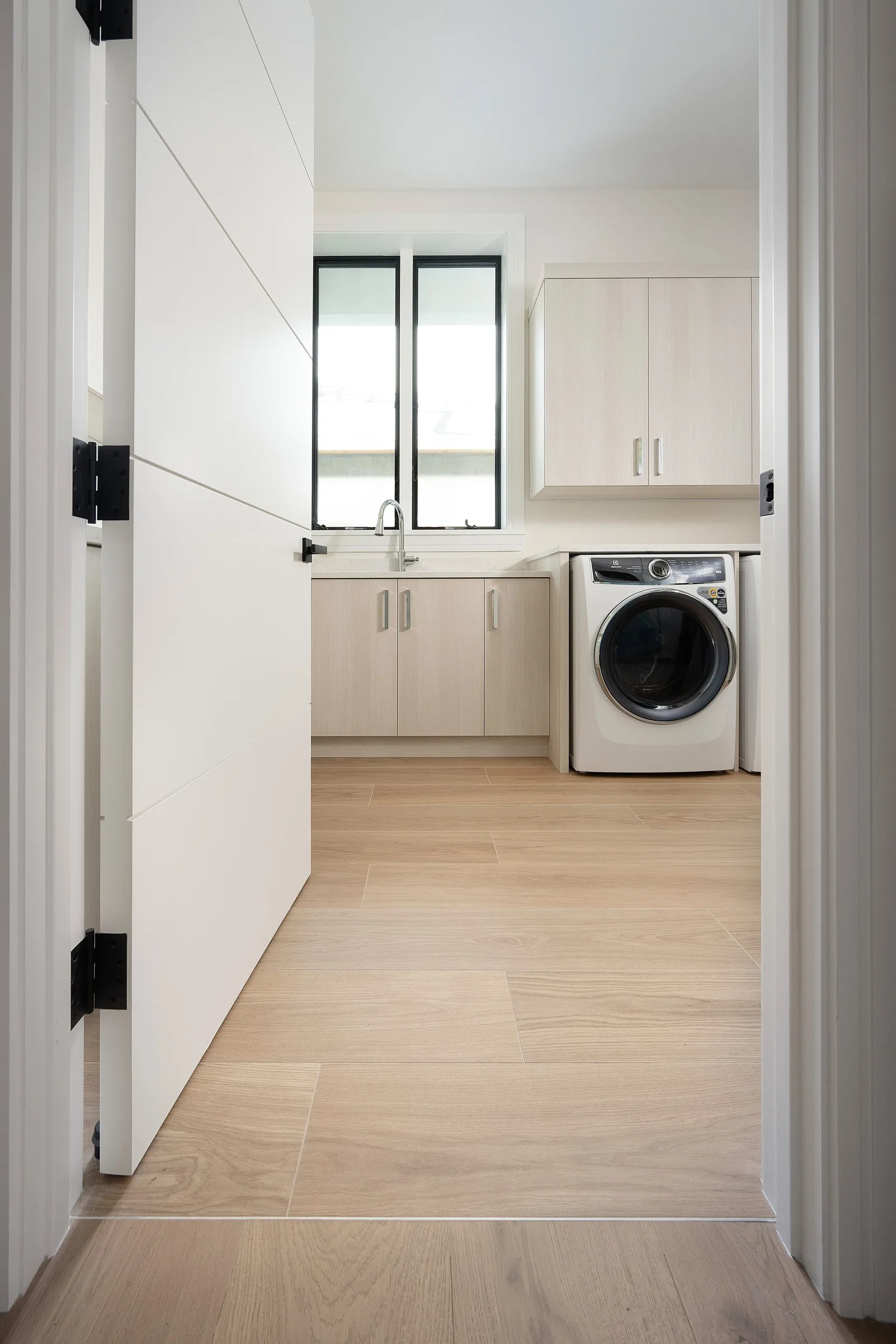
 tile meets hardwood
Compare materials · 7 min read
Hardwood vs tile in Naples: use both, room by room
Choose wood for living spaces and appropriate tile for wetter rooms, with sound control and transitions planned together.

Reviewed by Cedric Eckenrode, ownerUpdated November 2026
The short answer
Use both in a Naples home. Put hardwood in living rooms and bedrooms for real grain and warmth, and porcelain tile in bathrooms, showers, laundry rooms and lanais, where water decides the floor. Plan where the two meet, including heights and trim, and check any condo sound rule. See hardwood beside tile at ProFloors & Cabinets in North Naples.
Balance warmth with a hard surface.
Hardwood gives you real grain and, on the right product, a surface you can renew later. Porcelain gives you a hard, dense surface in a wide range of formats, textures and patterns. About 90% of the tile in our showroom is porcelain, and most of it is rectified (cut after firing so edges are square and grout lines can be narrow). Daltile porcelain is on display at the showroom. Natural stone has its own care needs and is covered separately.
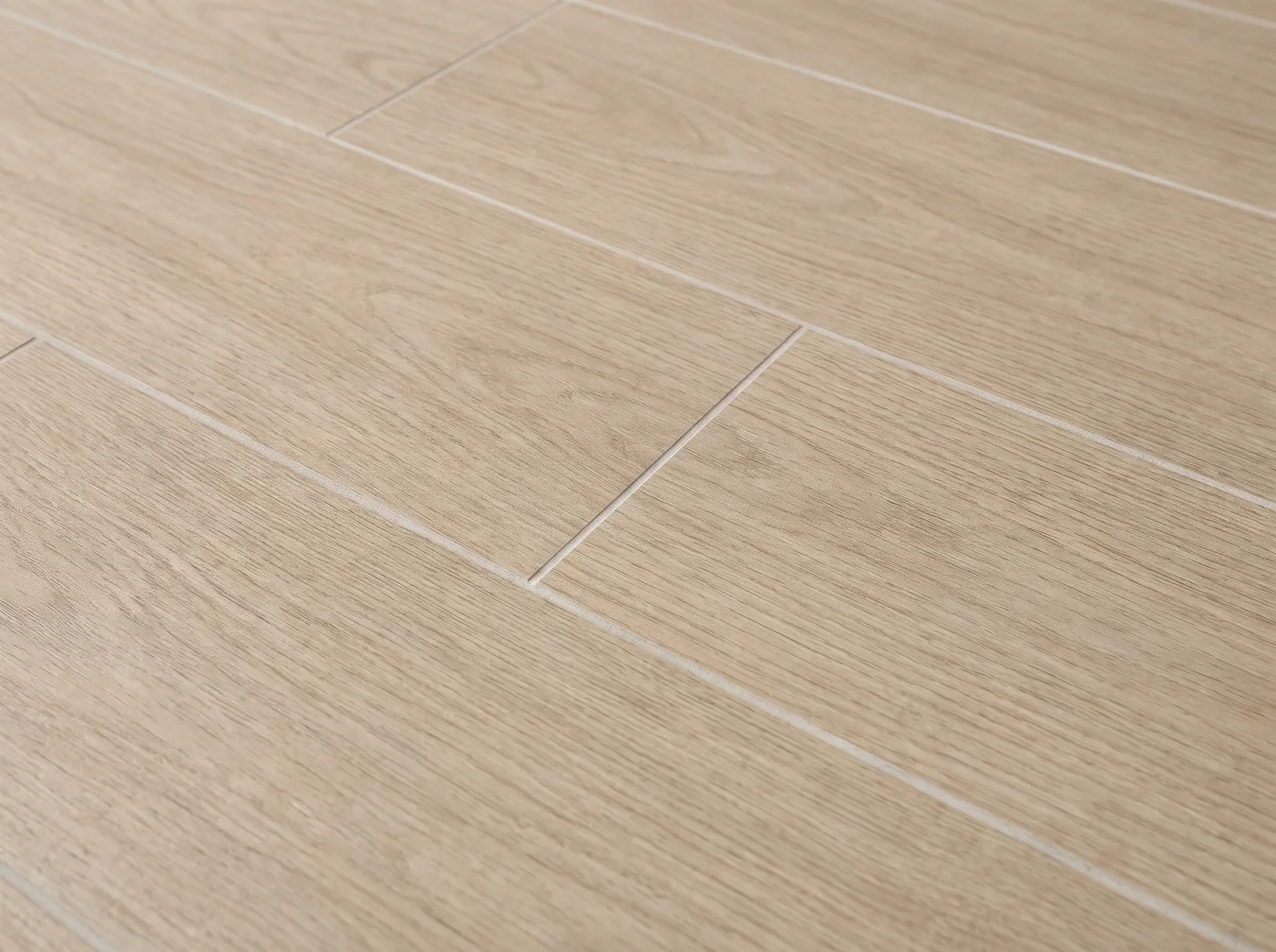
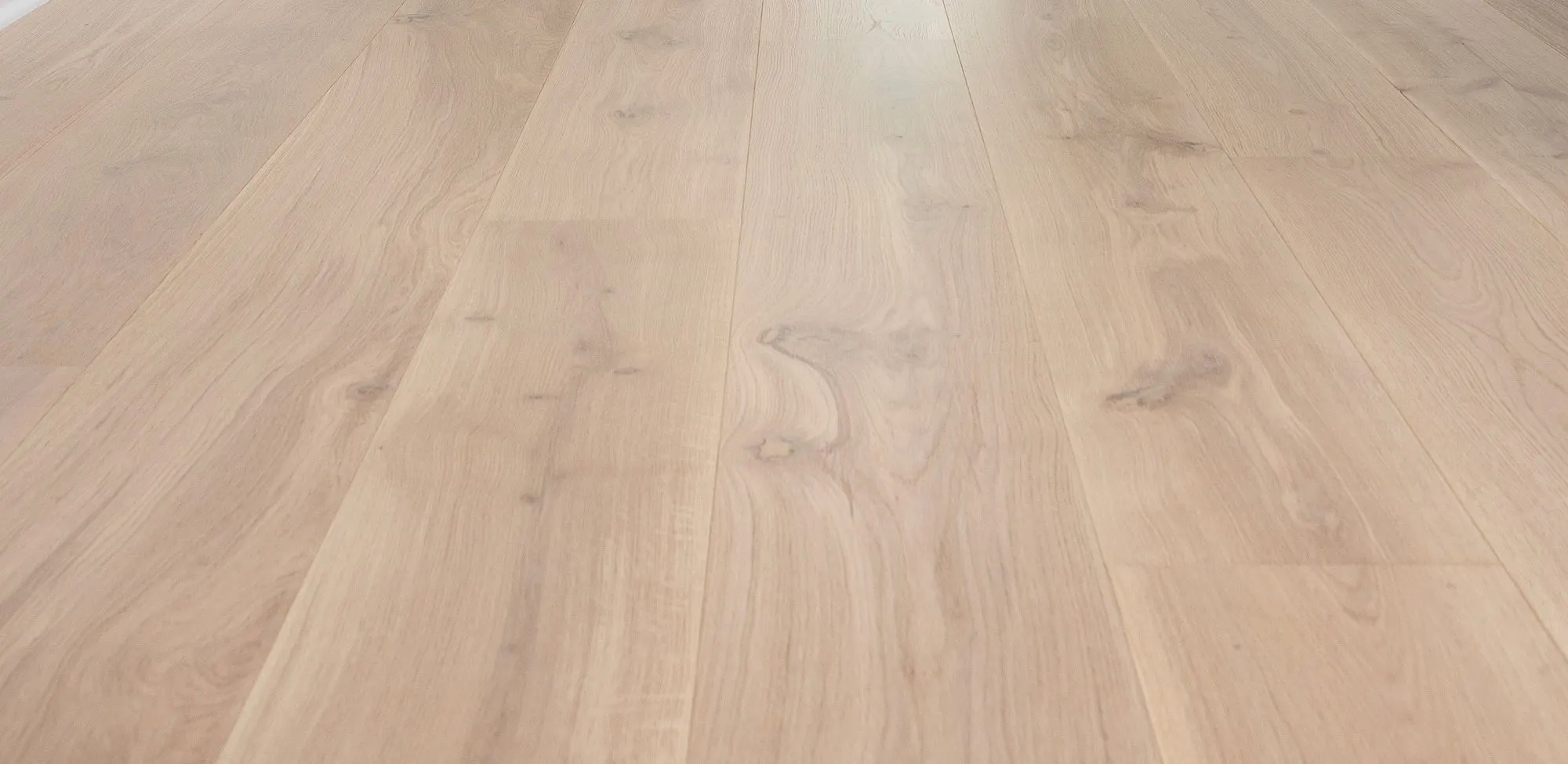
Hardwood flooring
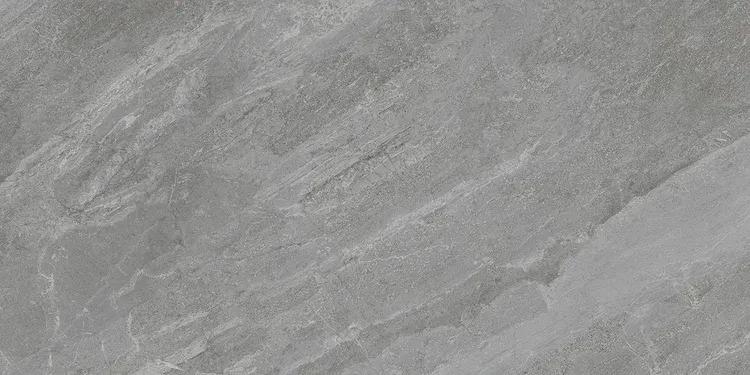
Porcelain or ceramic tile
Underfoot preference
Hardwood flooring: Choose it if you want the feel and texture of real wood.
Porcelain or ceramic tile: Choose it if you want a cool, firm surface.
Water exposure
Hardwood flooring: Fine for spills wiped up promptly. Not for rooms that stay wet.
Porcelain or ceramic tile: Made for wet rooms when the whole assembly is specified for them.
Everyday wear
Hardwood flooring: Species and finish set how it handles scratches and dents.
Porcelain or ceramic tile: Hard-wearing; the support beneath and the movement joints decide how it holds up.
Future work
Hardwood flooring: Can be recoated, and sanded when the wear layer (the real-wood top layer) and its condition allow.
Porcelain or ceramic tile: Damaged tiles are replaced; keep spare tile and grout from the order.
Condo use
Hardwood flooring: The adhesive or sound layer must suit the wood and the building rule.
Porcelain or ceramic tile: The sound mat must suit the tile assembly and the building rule.
Think about barefoot mornings, long stretches at the kitchen counter and the scrape of a dining chair. Stand on real samples to judge comfort. Color makes a floor look warm; the material decides how it feels. A warm-toned porcelain can suit your palette and still feel cool and hard next to wood.
Choose the material for each room.
Living rooms and bedrooms
Hardwood. Choose tile here only if you want a firm surface or one continuous floor with the rooms next door.
Kitchens and entries
Either works. Pick wood if spills get wiped up quickly and you want warmth. Pick porcelain for heavy wet traffic, pets and sandy shoes, and compare the wood’s care steps with the tile and grout’s.
Bathrooms and showers
Porcelain tile specified for the exposure. A shower floor also needs the right water-management layers beneath the tile, not just the tile itself.
Lanais and exterior connections
An exterior-rated tile and setting system. Choose it for wet exposure first, then match the color indoors. Confirm the exact tile’s exterior and wet-area suitability before specifying it for a lanai or pool surround.
Mark on a floor plan where daily use changes: the living room opening to the lanai, a bedroom meeting its bath, the kitchen meeting the dining room. Those are the places to change material. In an open plan, decide whether one continuous floor matters more than the kitchen’s water exposure and care.
Account for Naples indoor and slab conditions.
For wood in Southwest Florida, run the air conditioning at the levels the floor’s maker sets, including while the house sits empty, and keep standing water off it. The National Wood Flooring Association (NWFA) guidance on concrete subfloors calls for proper preparation and moisture testing under wood, to the flooring and adhesive manufacturers’ requirements. The slab gets a moisture reading once it is exposed; ask who takes it and how it is recorded.
For tile, the slab comes first. The Tile Council of North America (TCNA) explains that concrete cracks can reflect through bonded tile. So the slab is checked for cracks and movement, and the design calls for crack isolation (a flexible layer that keeps slab cracks from showing in the tile) or another assembly where it is needed. That preparation is written into the scope next to the tile, setting materials and grout.
Porcelain’s low absorption describes the tile body: TCNA defines it at 0.5 percent absorption or less under the relevant test. A wet room also depends on the grout joints, the penetrations and the layers underneath. Specify the whole assembly for the exposure, not just the tile.
Plan for everyday wear and repair.
Dining chairs, beach sand, pets and dropped pans can damage either floor. Felt pads, door mats and regular dust-mopping protect wood. Tile needs its grout kept clean. Follow the care instructions for the exact wood finish or tile and grout you choose, and plan for the furniture that is coming back into the room.
NWFA’s refinishing guidance separates a maintenance coat from sanding to bare wood; the finish, wear layer and condition decide which one a wood floor can take. A cracked tile is replaced after the cause underneath is found. Order spare tile and grout with the job so a future repair matches.
If you already have a floor you like, keeping it is a real option. Have its condition checked and see what a restoration or repair would change. Weigh that against replacing it, using the same room plan and care routine. A catalog lifespan figure does not settle that question.
Separate room sound from downstairs sound.
In a condo, get the association’s current requirements before ordering; its rules decide approval. Schluter, a maker of tile installation systems, explains that IIC (Impact Insulation Class, the rating for footstep noise reaching the unit below) describes a tested floor-and-ceiling assembly. Submit the floor, the sound-control layer and the building construction together, with documentation that matches the installation planned for your unit.
Downstairs impact sound and the footsteps you hear in your own room are different problems. Rugs and furniture change how your room sounds; the test report covers what reaches the unit below. When you compare wood and tile proposals, check which tested construction each one relies on and how close it is to your building.
“The quality and workmanship of our 10" wide Riva wood floors and tile backsplash is outstanding and his team's work has transformed our home.”
Resolve heights and edges on the plan.
Decide where hardwood meets tile while the plan is still on paper. Compare the total installed heights, including preparation, adhesive, mortar and any underlayment or membrane. Sample thickness alone leaves out the layers that decide how the two floors meet.
- Mark the junction on a drawing, including whether it falls under a closed door or across an open room.
- Allow the required movement space and choose the threshold or profile before trim is ordered.
- Check door swing, appliance clearance and any step or stair affected by the new floor height.
- Lay both samples side by side with the grout and trim, and compare undertone, sheen and plank direction.
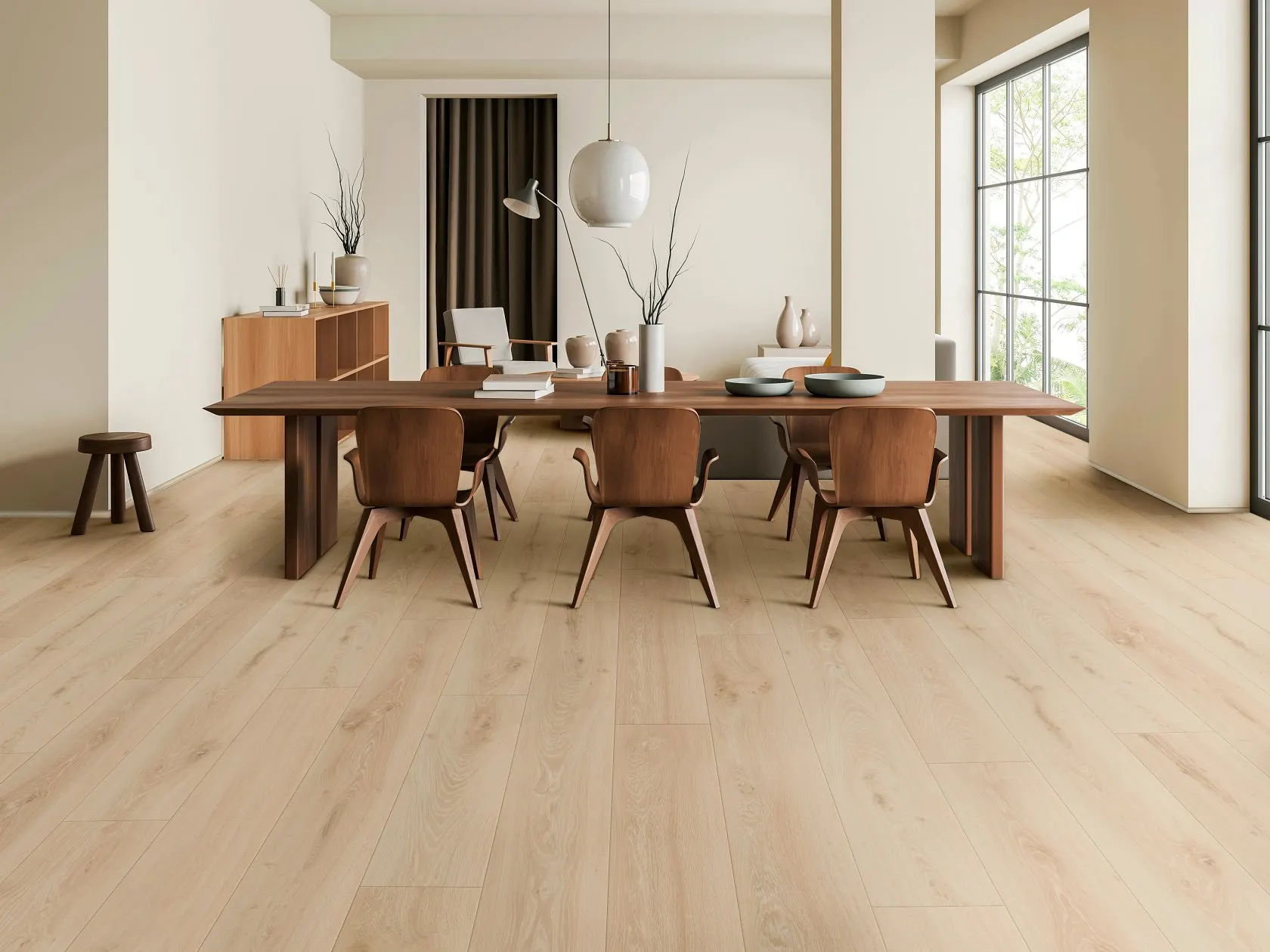
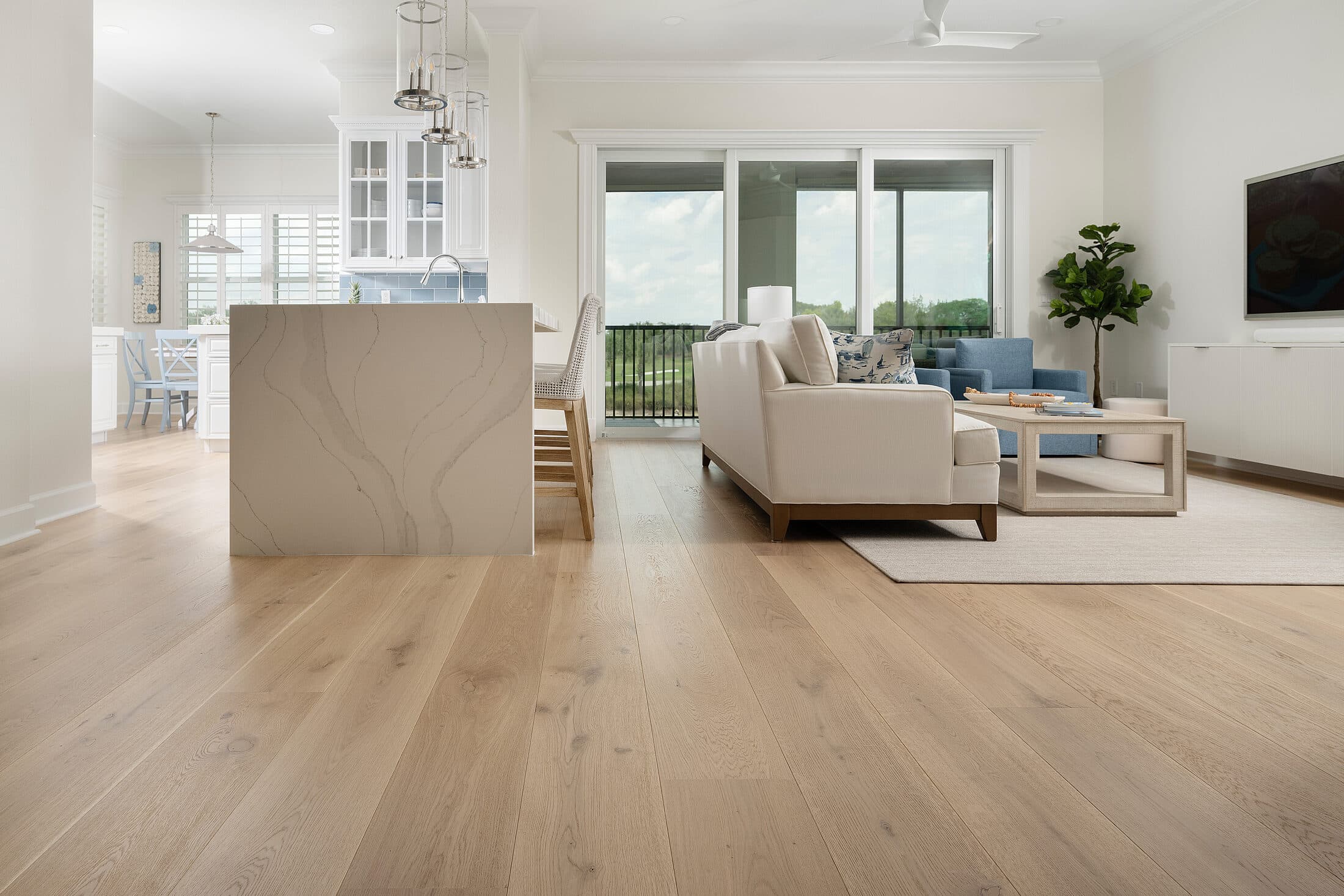
Pair wood-look tile with hardwood through undertone, sheen and pattern; do not chase an exact match. The Bay Colony project on this page is one example of the pairing.
Review the whole palette in the showroom.
Bring doorway photos, a plan marked with wet and dry rooms, and the finishes you are keeping. If wood is your pick for the main living area, start with the hardwood selection. Compare widths, grades and finishes next to the colors already in your home.
Then lay tile options beside the wood, grout and trim at the ProFloors Naples showroom. Bring your association requirements and plan as well. One project manager stays with you from selection through installation.
Sources (5)
- TCNA: Porcelain vs. Non-Porcelain
Defines porcelain water absorption and explains why the selected tile’s intended application matters.
- TCNA: Cracked Tile
Explains reflective cracking when concrete movement affects a bonded tile installation.
- NWFA: Concrete Subfloors
Supports concrete preparation and moisture testing beneath wood, following flooring and adhesive manufacturer requirements.
- NWFA: Refinishing Your Floors
Describes maintenance coating, sanding and the factors affecting a wood floor’s renewal options.
- Schluter Systems: Sound Control
Distinguishes sound types and explains assembly-based IIC ratings for flooring comparisons.
Questions, answered.
Reviewed by Cedric Eckenrode, owner · Updated November 2026
The showroom
- 2033 Trade Center WayNorth Naples, FL 34109
- Mon–Fri 8am–5pmSat 10am–2pm
- Is tile or hardwood better for a Florida home?
- Use both. Choose hardwood for real grain and a warmer feel in living rooms and bedrooms. Choose porcelain tile for bathrooms, showers, laundry rooms and lanais, where water decides. Plan the slab preparation, the air conditioning the wood needs and any condo sound rule before deciding where the two materials meet.
- Can hardwood and tile be used together?
- Yes, and most Naples homes do: wood in the living spaces, porcelain in the wet rooms. Settle the junctions, total installed heights, movement space and trim before installation. Lay both samples beside the actual grout and trim to compare undertone, sheen and plank direction, so the change looks planned rather than patched.
- Is tile easier to maintain than hardwood?
- Not automatically. Porcelain handles water well, but its grout needs regular cleaning. Hardwood needs grit kept off it, spills wiped up and the cleaner made for its finish. Compare the approved cleaners and care steps for each product with your normal routine, then choose the floor whose care you will keep up.
- Is hardwood quieter than tile in a condo?
- Not automatically. Condo sound tests rate the complete floor-and-ceiling assembly, including the sound-control layer and the building’s construction, not the surface alone. Check that documentation against your association’s current rules before ordering. How a sample sounds under your own step is a different question from what the unit below will hear.
- One project managerFrom selection through installation
- No cost to come in and askBring your questions, photos or plans
- Trade buys here tooYour builder or designer can buy here
5.0· 46 Google reviewsBBB A+ AccreditedFamily-owned since 1998


Keep reading
All guides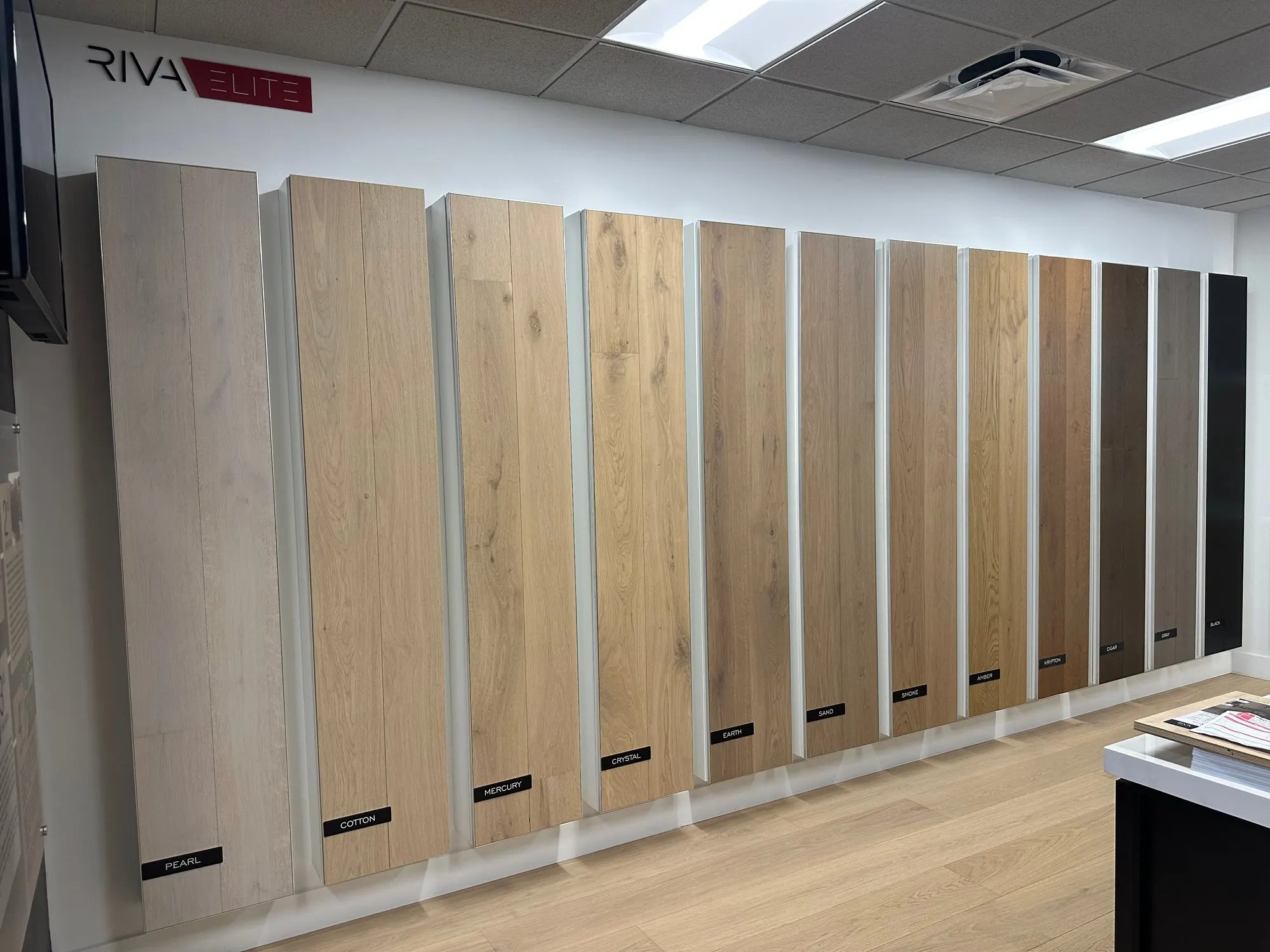
 Design: R & Co. Designs
More from ProFloors on this
Bring your questions to the showroom.
Hardwood vs tile: choose room by room in Naples.