
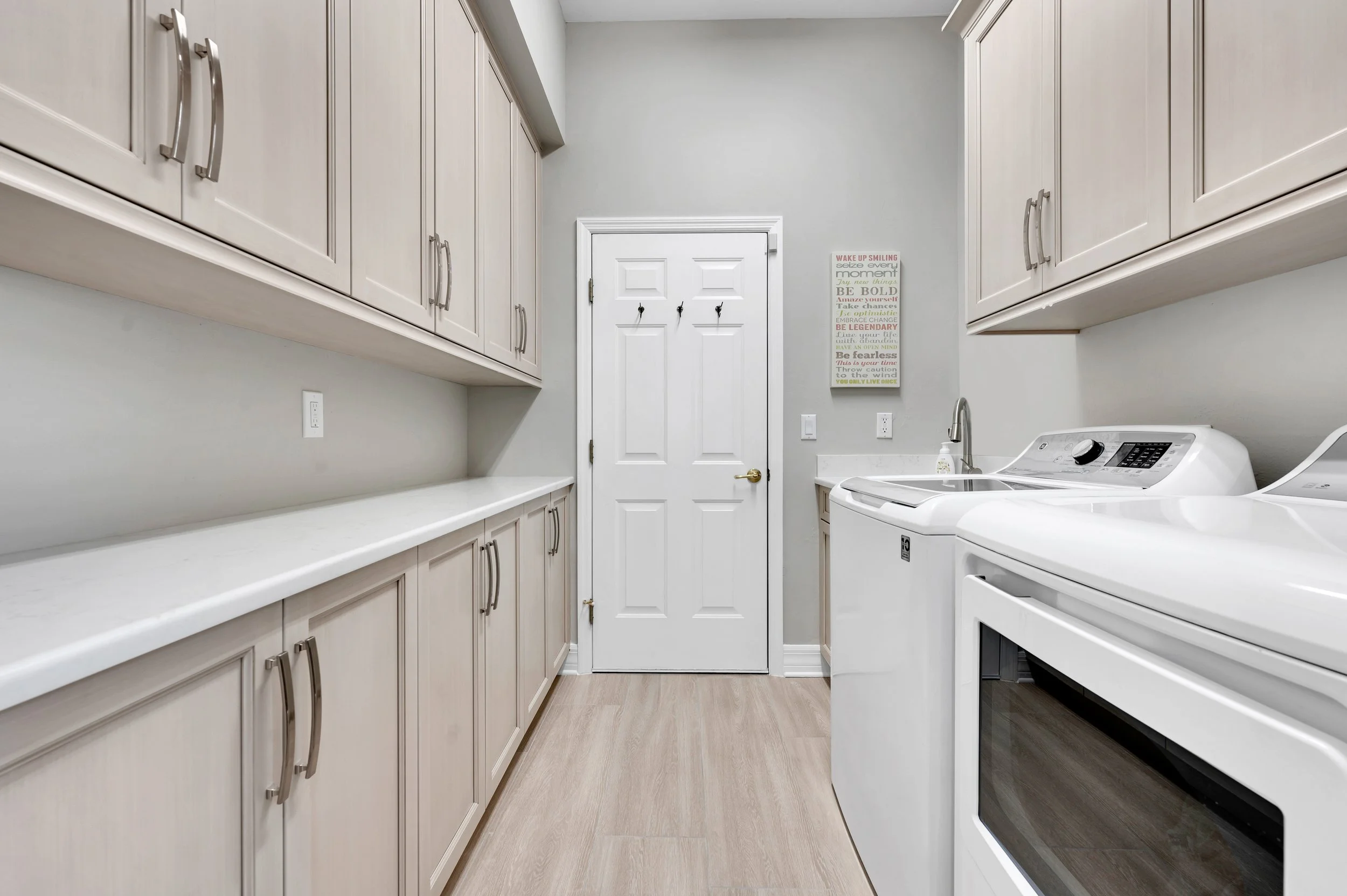
 laundry room floor
Room by room · 6 min read
Best flooring for a Naples laundry room: water and appliances
Choose porcelain or water-resistant luxury vinyl with appliance support, clearances and a separate leak plan in view.

Reviewed by Cedric Eckenrode, ownerUpdated November 2026
The short answer
Start with porcelain tile for a Naples laundry room. Consider water-resistant luxury vinyl only when the exact product permits your washer and dryer setup. Check appliance loading, finished height and service access. No floor alone stops a washing-machine leak, so plan connections and any pan or drain separately. Compare both at ProFloors & Cabinets on Trade Center Way.
Separate everyday spills from appliance leaks.
Plan for the room you use, from damp towels to detergent spills. Note any utility sink and past water damage, and mention whether the laundry opens to hardwood, sits above another room or is inside a condo. Include those details when discussing the finish, plumbing and the layers beneath the floor with the appropriate professionals.
Luxury vinyl is water-resistant, not waterproof. Give appliance leaks a separate plan for both vinyl and tile, covering plumbing, drainage and protection of adjoining spaces. For a seasonal Naples home, identify who can respond while you are away. Share how long the property will be unattended when you discuss that plan.
Compare tile with water-resistant luxury vinyl.
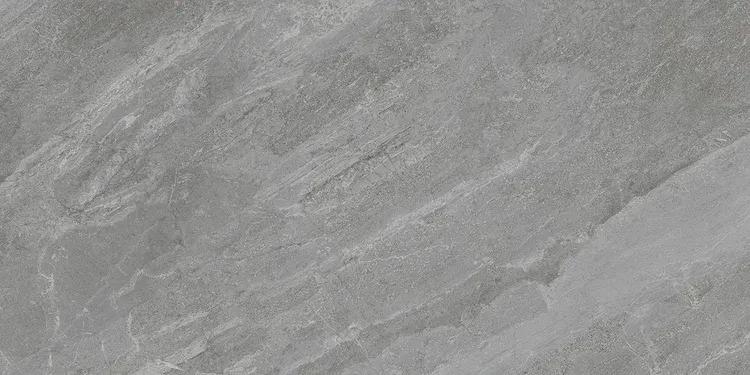
Porcelain floor tile
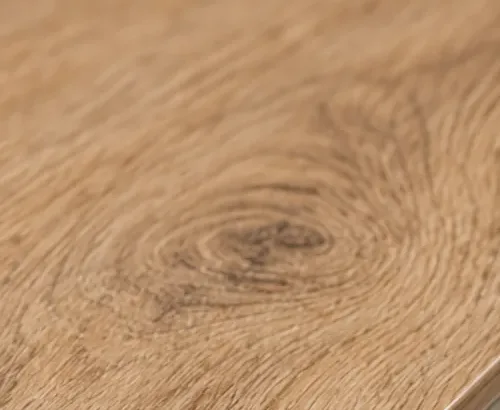
Water-resistant luxury vinyl plank
Selection priorities
Porcelain floor tile: An appropriate floor-use product, cleanable texture, grout and the complete setting assembly.
Water-resistant luxury vinyl plank: The exact plank construction, approved installation method, care instructions and suitability beneath the selected appliances.
Machine support
Porcelain floor tile: Match the substrate and setting system to the tile and appliance manufacturers’ support requirements.
Water-resistant luxury vinyl plank: Check the product’s point-load and movement requirements for any pedestal or stacked setup.
Connection to the hallway
Porcelain floor tile: Check the height of the tile, mortar, preparation and any membrane against the adjoining floor.
Water-resistant luxury vinyl plank: Include the plank and approved underlayment in the height review, along with any required transition profile.
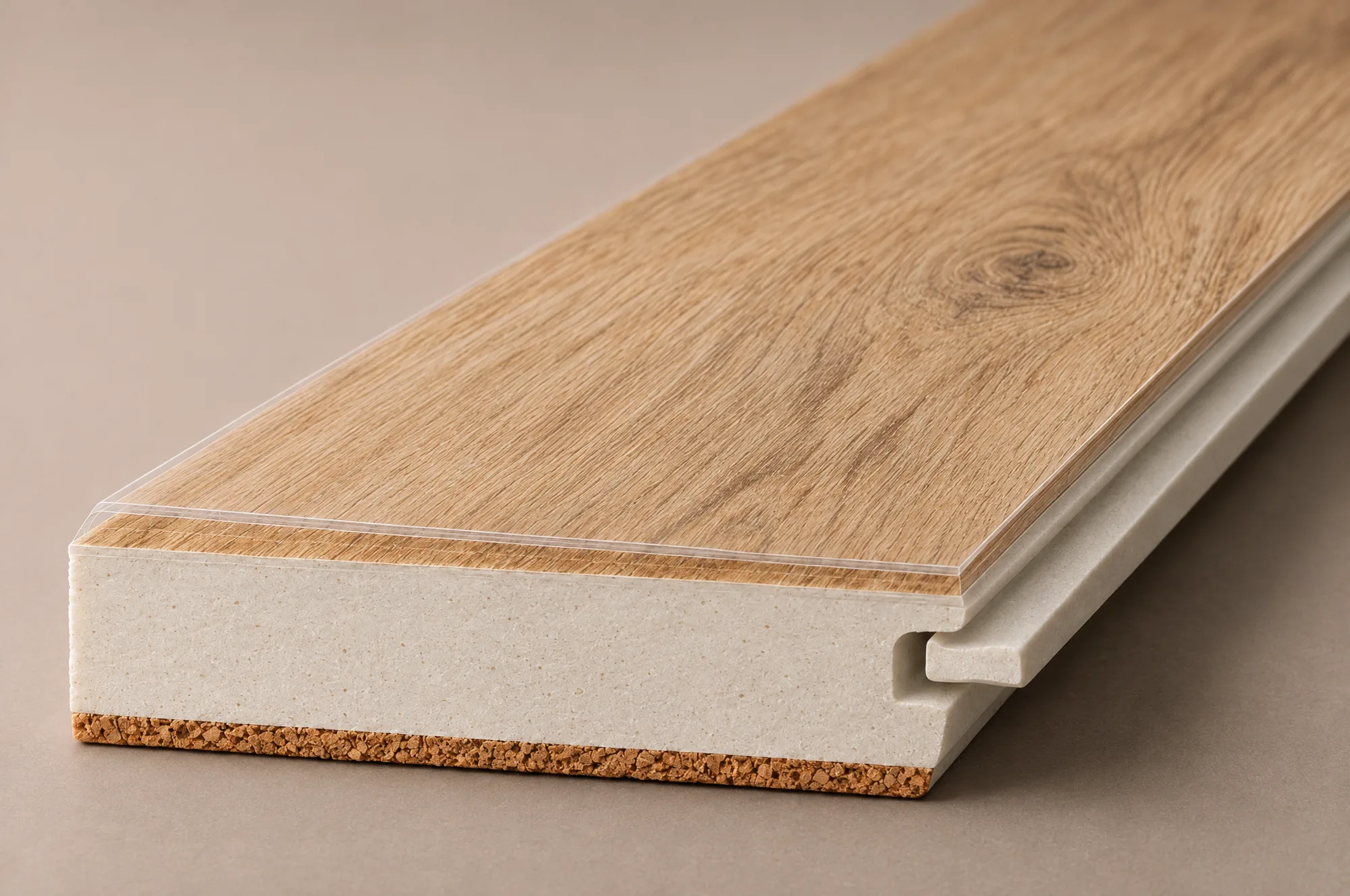
Select luxury vinyl plank (LVP) by its construction, approved use, and overall and wear-layer thickness (the clear top coating that takes the scuffs). Get the current installation instructions for the exact collection. COREtec’s instructions differ by product construction, so use the document for your exact selection when reviewing loading, joints and the installation method with the installer.
For porcelain, choose tile and grout together, including a cleaning routine for detergent residue. If you expect to walk on the floor while wet, have the supplier review the exact finish’s intended use. Appearance alone, whether polished or textured, is insufficient to judge suitability for those conditions.
Check support for the actual appliances.
Use the model numbers and installation instructions for both machines to check support. Have the installer consider the appliance load in use, including any pedestal, stacking kit or enclosure. Check that arrangement against both the appliance and flooring requirements, rather than using the empty machine’s shipping weight alone.
Whirlpool’s front-load guidance calls for a solid, flat surface: flexing or uneven flooring can contribute to noise and vibration. It also calls for correct leveling and firm foot contact. Follow your machine’s own instructions, and resolve an unsupported or uneven base before installing the new surface.
Load and contact points
Check loading, foot arrangement and any proposed protective pads against both appliance and floor instructions for the exact setup.
Floating-floor movement
For floating vinyl, ask the installer to review required movement space around appliances, fixed cabinets and thresholds using that product’s instructions.
Reinstallation
Identify who disconnects, moves, reconnects and levels the machines. Confirm which work needs a separate appliance, plumbing or electrical professional.
Assess what is beneath the old floor.
Have the installer assess the existing floor before choosing the preparation. Point out any history of a leaking washer, cracked tile, loose flooring or damp baseboards. Have the cause investigated before covering it, then match the preparation products, adhesive and new floor to the conditions found.
COREtec’s preparation guidance calls for a clean, flat, dry and structurally sound subfloor, with moisture testing and treatment of identified issues. For a Naples concrete slab, include that assessment in the installation plan. Use the selected product’s limits to decide what preparation is needed before the new floor goes down.
If you want to keep existing tile beneath the new floor, ask the installer to check its condition, bond, grout recesses and product compatibility. Include the added height at doors and appliances. Ask for both options, keeping the tile and removing it, written into the scope before you order.
Give leaks a separate prevention plan.
Grout joints are not waterproof. The Tile Council of North America (TCNA) explains that wet-area protection depends on the installation method and substrate. Discuss whether a protective membrane is appropriate with the installer or building professional. Review its seams, edges, penetrations and doorway together; those details determine whether the proposed assembly provides the intended protection.
Discuss any drain pan, floor drain, leak sensor or supply shutoff with an appliance or plumbing professional. Check that a proposed pan fits the machine, drains as intended and allows access. Have any existing drain checked for function. Identify who is responsible for those items in the scope.
In a condo, obtain current association requirements for flooring, sound, plumbing changes and access before scheduling work; its rules govern the project. Give the association manager a clear description of any drain or plumbing alteration, including effects on a building-managed component or the unit below, so the approval covers the intended work.
Keep the machines accessible for service.
Measure the route into the laundry as well as the space where the machines sit. Include the doorway, transition, base cabinets, appliance doors and overhead counter. Check how each unit will come out for service after the new floor is installed, especially in a tightly fitted laundry closet.
If fixed storage is changing, plan the work with the flooring-and-cabinet sequencing guide. The installer can identify when setting materials or adhesive allow appliances to return and how to protect the floor during the move. Identify the appliance or plumbing professional who will check connections afterward.
Bring appliance details to the showroom.
Bring machine model numbers, a room sketch, photos behind and beside the appliances, and a hallway-floor sample. Add cabinet plans, leak history and any condo documents. At the ProFloors showroom, see tile and luxury vinyl beside the adjoining finish and discuss the installation questions for your room and appliance setup.
Sources (3)
- TCNA: Ceramic Tile FAQ
Explains why grout joints do not provide water containment and why the installation method and substrate matter.
- COREtec: Installation and Maintenance
Directs readers to product-specific installation documents and describes subfloor preparation and moisture assessment.
- Whirlpool: Leveling a Front Load Washer
Supports a solid supporting floor, correct leveling and firm foot contact for the washer setups described; follow the exact appliance model’s instructions.
Questions, answered.
Reviewed by Cedric Eckenrode, owner · Updated November 2026
The showroom
- 2033 Trade Center WayNorth Naples, FL 34109
- Mon–Fri 8am–5pmSat 10am–2pm
- What is the best flooring for a laundry room?
- Start with porcelain tile, and consider water-resistant luxury vinyl when the exact product suits your appliances. Review subfloor condition, machine loading, finished height and cleaning needs before ordering. Plan for supply leaks, drainage and protection of adjoining rooms separately, whether you choose tile or vinyl for the visible surface.
- Can luxury vinyl plank go under a washer and dryer?
- Yes, if the particular flooring and appliance instructions permit your setup. Have the installer check loading, contact points, installation method and movement space, including any pedestal or stacked configuration. Use the documents for the exact plank and machines to decide whether they work together in your laundry room.
- Will tile protect my laundry room from a washing-machine leak?
- No, tile alone cannot protect the room from a washing-machine leak. Grout joints are not waterproof, and protection depends on the complete assembly. Ask the installer or building professional to review that assembly, and an appliance or plumbing professional to check connections, any pan or drain, and access for leak response.
- Does a laundry-room floor need to support heavy appliances?
- Yes, the supporting floor and finish assembly must suit the actual machines in use. Check the appliance requirements for loading and foot contact alongside the flooring manufacturer’s limits. Follow the washer’s leveling instructions, too. Resolve a flexing or uneven base before installing the finish rather than expecting tile or vinyl to correct it.
- One project managerFrom selection through installation
- No cost to come in and askBring your questions, photos or plans
- Trade buys here tooYour builder or designer can buy here
5.0· 46 Google reviewsBBB A+ AccreditedFamily-owned since 1998



Bring your questions to the showroom.
Choose laundry-room flooring around water and appliances.