
Care and repair · 6 min read
Tile and grout care: clean, rinse and protect
Match the cleaner to your tile and grout. Check each product's instructions before sealing.

Reviewed by Cedric Eckenrode, ownerUpdated November 2026
The short answer
Remove loose grit, wash with a cleaner approved for tile, grout and any sealer, then rinse. Keep vinegar and acids off cement grout and calcium-based stone. Sealing differs: the Tile Council of North America cautions against coatings on glazed floor tile; cement grout generally takes a sealer. Natural stone from ProFloors & Cabinets in Naples comes with its care sheet.
Call a qualified professional when damage or moisture persists.
Identify your tile and grout.
A marble pattern can be printed on porcelain or belong to real stone. Look at the original selection sheet or carton for the material and finish, then identify the grout and any treatment already applied. Similar-looking surfaces can need different care. Identify an unknown material before choosing stain removers or stronger cleaning methods.
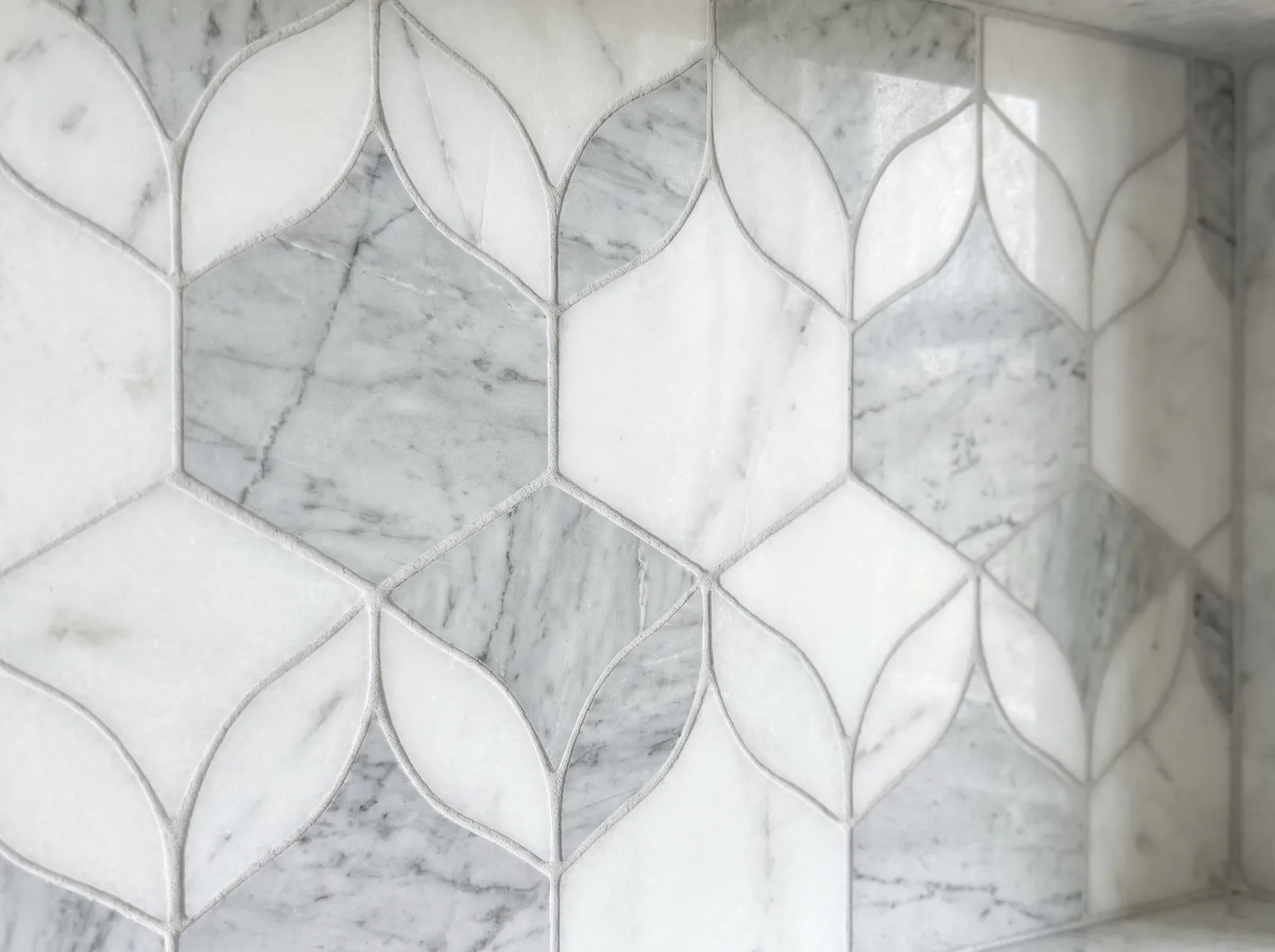
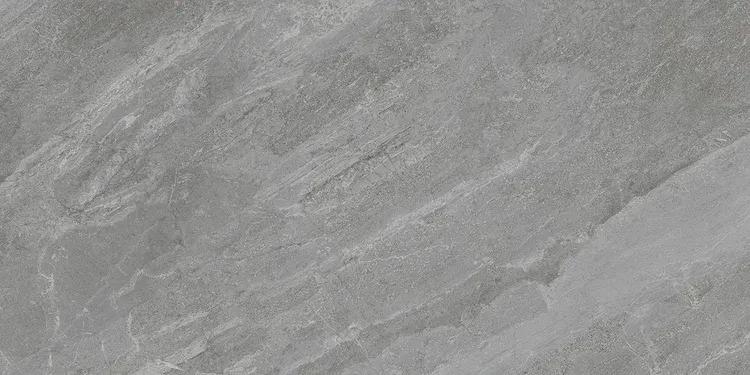
Porcelain tile

Natural stone tile
Routine cleaner
Porcelain tile: A cleaner approved for the tile finish and grout
Natural stone tile: A neutral stone cleaner suitable for the stone and finish
Acid precautions
Porcelain tile: Consider grout, decorative details and adjacent materials too
Natural stone tile: Acids can etch (eat into) calcium-based stones
Sealing decision
Porcelain tile: Check tile instructions separately from grout instructions
Natural stone tile: Check the stone, existing treatment and sealer instructions
A persistent dull area
Porcelain tile: Identify residue or surface damage before stronger cleaning
Natural stone tile: Consult a stone restorer about staining, residue or etching
Remove soil, wash and rinse.
Start with loose sand and dirt. The Natural Stone Institute recommends a clean dust mop because grit can scratch stone. Give the route from a Naples entry or lanai particular attention. Clean entrance mats and inspect vacuum wheels and attachments for wear before using them on stone; worn parts can scratch the surface.
Choose a compatible routine cleaner
Use a cleaner approved for the tile, grout and any sealer. For natural stone, choose a suitable neutral stone cleaner. Follow the stated dilution to limit film and streaks.
Use clean water and gentle tools
Use a soft mop or cloth suitable for the finish and change dirty cleaning water. Follow the surface manufacturer's tool instructions; abrasive pads can be the wrong choice for a delicate finish.
Remove the cleaning solution
Rinse as directed and lift away the dirty liquid. Dry the surface as appropriate for the material, keeping people off the wet floor until it is ready for use.
Keep acids off vulnerable surfaces.
Skip vinegar for routine cleaning. The Natural Stone Institute warns that vinegar, lemon and other acids can eat into marble and limestone, leaving a dull patch (“etching”). The Tile Council of North America (TCNA) explains that acids attack the cement in cementitious grout. Choose for the whole tiled area, including its joints, trim and adjoining stone surfaces.
For soap residue in a stone shower, use a compatible non-acidic product. Reduce remaining surface water with a suitable squeegee after use. Keep cleaners separate and follow the label. For a persistent deposit, consult a stone restorer who can identify it before treatment, especially where stone meets metal trim and grout.
Lift dirt out of grout.
Cement-based grout can absorb stains and cleaning residue. TCNA cautions against oil- or wax-based cleaners because they leave a film. Even a suitable alkaline cleaner can leave sticky residue when poorly rinsed. If joints look dirty soon after washing, review the cleaner and how you remove dirty water before considering grout replacement.
For grout cleaning, TCNA favors alkaline cleaners over acidic ones. Select a product compatible with the tile, grout and existing sealer, and follow its application and rinse directions. Use gentle brushing where permitted. Before increasing the cleaner's strength, check the product instructions, particularly in a room that includes natural stone.
Check tile and grout sealing separately.
TCNA generally recommends sealer for cementitious grout and distinguishes it from epoxy grout. Find the grout product name before choosing treatment; color alone will not identify its chemistry. Use the grout and sealer instructions for curing, application and cleaner compatibility. Keep those documents together so future care follows the products actually installed in your room.
For porcelain, check the tile finish separately. TCNA cautions against coatings on glazed floor tile and directs owners to the manufacturer's recommendations for unglazed tile. Apply grout sealer to the intended area according to its instructions, including removal of excess from surrounding surfaces. Your grout and tile may have different treatment requirements even within the same room.
For stone, an impregnating sealer improves stain resistance without making the surface stain-proof, and some stones need no sealer. The Natural Stone Institute recommends consulting the stone supplier or sealer manufacturer about treatment and frequency. Use those product-specific instructions to plan care for your Naples home rather than adopting an automatic annual resealing schedule.
Know when cleaning needs professional help.
For etched stone or deeper scratches, consult a stone dealer or professional restorer, as the Natural Stone Institute recommends. A dull area on polished stone may need restoration rather than more cleaning. Note the spill or cleaner involved and photograph the area under ordinary room light. That information gives the restorer a useful starting point.
- Recurring white residue: if ProFloors supplied the tile, contact ProFloors to identify cleaning residue, treatment issues or moisture-related deposits before adding sealer.
- Cracked or missing joints, loose tiles or recurring damp areas: ask the installer to assess the installation and moisture source.
- Stains remaining after approved routine cleaning: contact a stone restorer or the tile manufacturer to identify the stain and surface before treatment.
Choose tile with daily care in mind.
When choosing tile, bring room photos and describe daily use. A kitchen floor, indoor bath and covered lanai present different cleaning questions. Review the tile and grout names, finish, routine cleaner and sealing instructions with the installer or designer. Leave that information for your housekeeper or caretaker, especially when different rooms use different materials. You can compare Daltile tile full-size in the showroom’s tile aisle.
Visit the Naples showroom with a sample or product label and a list of your current cleaners. Look at porcelain and natural stone alongside their care requirements. For a problem with an existing floor, record what you have tried, then check the tile and grout manufacturers' instructions or consult a stone restorer before choosing treatment. Request a visit →
Sources (2)
- Tile Council of North America: cleaning grout
TCNA explains grout cleaning, acid damage, residue removal and the different sealing considerations for grout and tile.
- Natural Stone Institute: care and cleaning
Industry guidance supports neutral stone cleaners, acid precautions, product-specific sealing decisions and professional assessment of damage.
Questions, answered.
Reviewed by Cedric Eckenrode, owner · Updated November 2026
The showroom
- 2033 Trade Center WayNorth Naples, FL 34109
- Mon–Fri 8am–5pmSat 10am–2pm
- How do you clean porcelain tile and grout?
- Remove loose dirt, then use a cleaner approved for the porcelain finish, grout and any sealer. TCNA favors alkaline over acidic cleaners for grout. Follow dilution and rinse directions, and lift away dirty liquid. For persistent soil, check the product instructions before choosing a stronger treatment.
- Is vinegar safe for cleaning tile grout?
- Avoid vinegar as a routine cleaner for cement-based grout. TCNA explains that acids attack the cement in the joint. Vinegar can also etch calcium-based stone beside or within a tiled area. Identify the tile and grout, then use a compatible cleaner according to the products' written care directions.
- Does porcelain tile need to be sealed?
- Check the exact porcelain product and finish; do not assume the tile and grout need the same treatment. TCNA cautions against coatings on glazed floor tile and recommends following manufacturer guidance for unglazed tile. A grout sealer should be selected and applied according to the grout and sealer instructions.
- How often should grout be sealed?
- Use the grout and sealer instructions to set the schedule. TCNA generally recommends sealer for cementitious grout, which differs from epoxy grout. Identify your grout and existing treatment, then check the sealer manufacturer's application and care directions for the review interval that applies to your floor or shower.
- Why does my marble tile look dull after cleaning?
- Residue or surface damage, including acid etching, may explain a dull area; appearance alone cannot confirm the cause. Stop using the suspect cleaner and identify the stone and products involved. If approved cleaning does not resolve it, consult a stone professional before stronger chemicals, abrasive cleaning or polishing.
- One project managerFrom selection through installation
- No cost to come in and askBring your questions, photos or plans
- Trade buys here tooYour builder or designer can buy here
5.0· 46 Google reviewsBBB A+ AccreditedFamily-owned since 1998


Keep reading
All guides

 Design: R & Co. Designs
More from ProFloors on this
Bring your questions to the showroom.
Tile and grout care: clean, rinse and protect.