
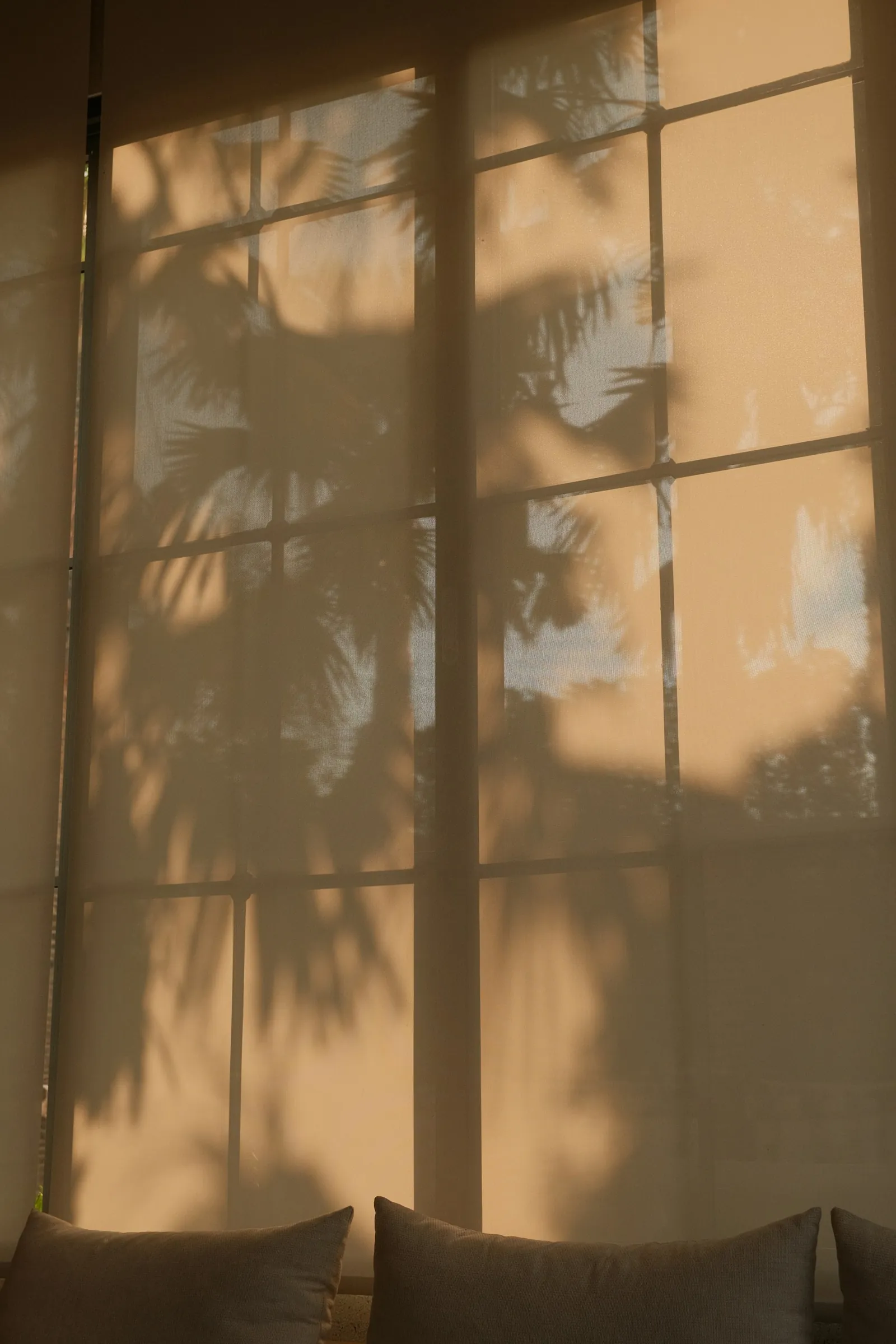
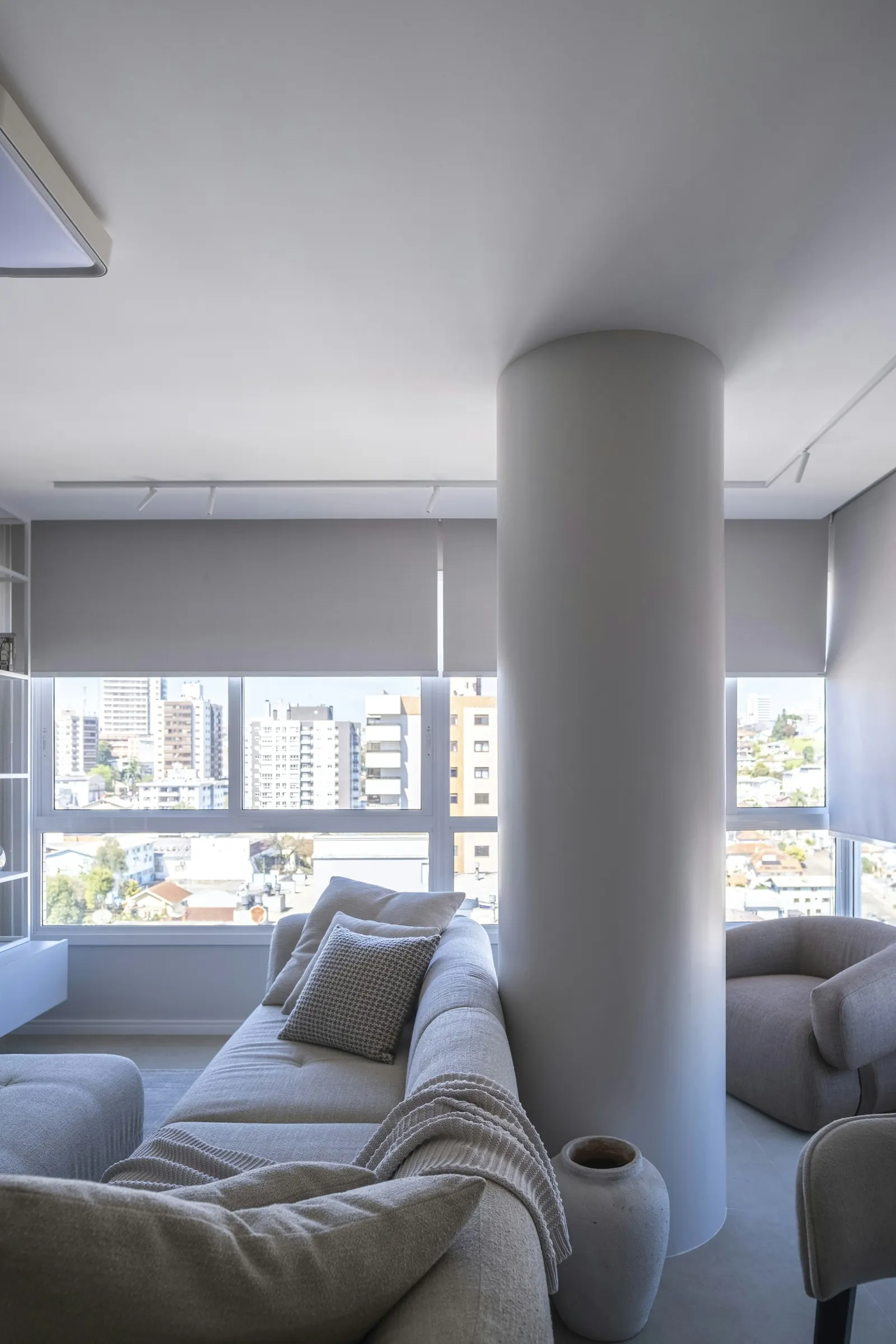
 a lowered solar shade
Shades and outdoor living · 6 min read
Solar shades in Naples: glare control and privacy
Compare solar fabric openness, color and placement to manage Naples sunlight while planning separately for nighttime privacy.

Reviewed by Cedric Eckenrode, ownerUpdated November 2026
The short answer
Choose solar shades where you want less glare but still want daylight and some view. Pick openness and fabric color together, using real samples in the room. Solar mesh gives no nighttime privacy, so add an opaque layer in bedrooms, and it cannot prevent all fading. Test fabrics in daylight on the shade wall at ProFloors & Cabinets, North Naples.
Then choose interior or exterior placement for the opening.
Identify the sunlight you want to control.
For television glare, start with the view from your usual seat. For a dining chair in direct sun or a floor receiving hours of light, show the area you want screened. Note when the problem starts and which view you want to keep. Those details give the fabric choice a purpose.
For a west-facing Naples living room, judge the opening during the afternoon. Building America guidance explains that low-angle east and west sun can need vertical shading alongside an overhead projection. Include the roofline and nearby glass in your photos of a covered lanai, especially where sun reaches beneath the roof.
Understand openness and fabric color together.
Openness factor describes how much of a mesh fabric is open space. A lower number means a tighter weave; a higher number means a more open weave. Use it to narrow the samples, then judge the actual fabric in the room’s light. Keep its published UV and heat performance alongside the openness information.
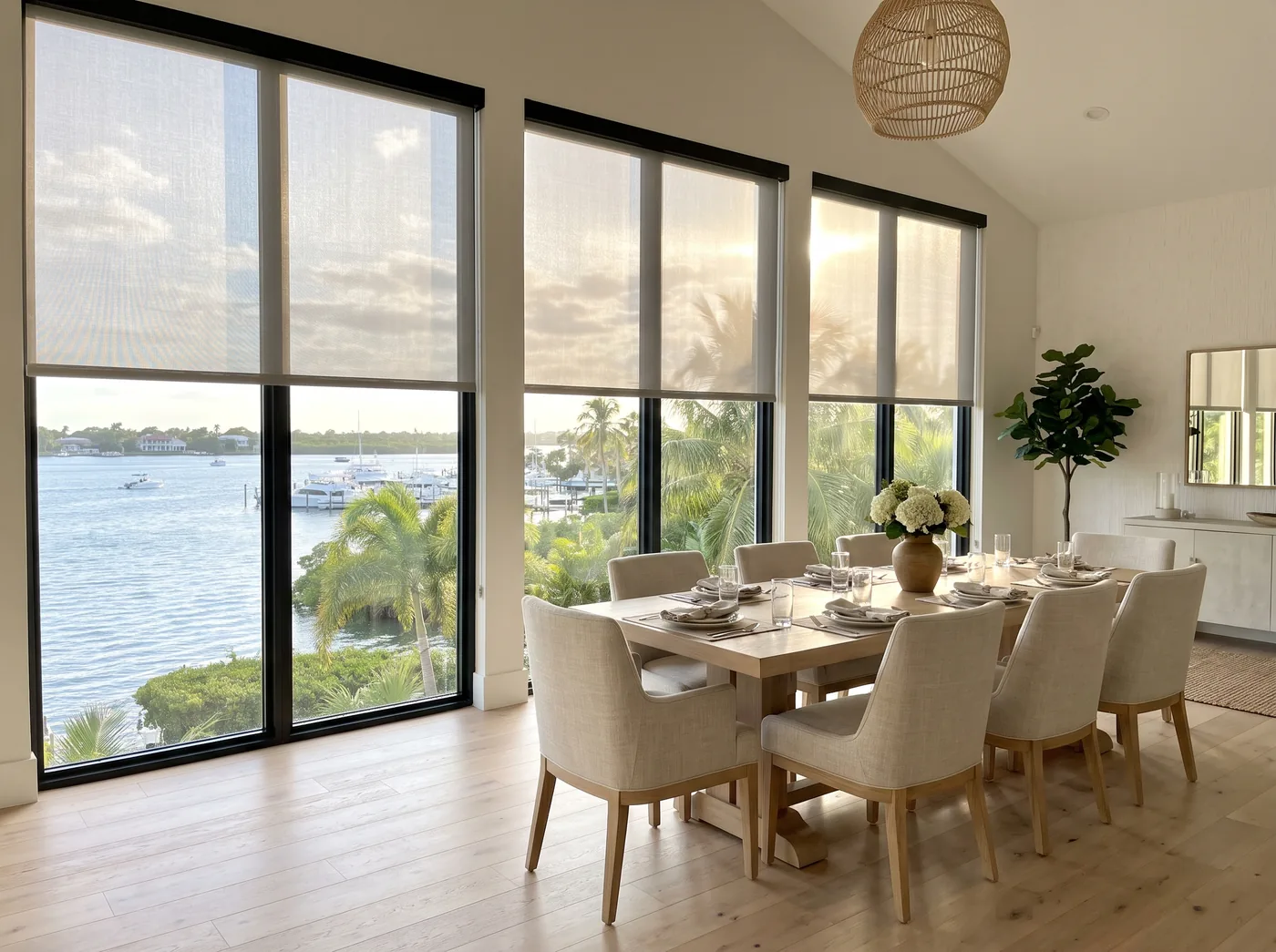
Lower openness
Higher openness
Room check
Lower openness: Judge whether the room feels too enclosed from your usual seat.
Higher openness: Judge whether glare remains at the time you use the room.
For glare and outward visibility, start by looking through dark-colored samples. The fabric manufacturer’s technical FAQ explains that dark colors reduce glare and improve outward visibility, while light colors reflect solar energy. Compare similar openness factors in different colors, then different openness factors in your preferred color. Hold the samples toward a bright background.
Check the room after dark.
Use an opaque layer where nighttime privacy matters. The fabric manufacturer’s published guidance explains that interior lighting can reverse the view through solar mesh after dark, allowing people outside to see in. Openness, color and light contrast all affect visibility, so daytime screening is not a reliable test for a lit room at night.
For a bedroom, ground-floor sitting room or condo facing another balcony, review the two layers with your designer. Define whether the goal is reduced visibility, visual privacy or sleep darkness. Include the mounting edges and the space needed for both treatments, so the plan covers the opening as well as the fabric.
Review UV and heat claims separately.
Choose UV performance from the selected fabric’s specification. The fabric manufacturer’s technical FAQ explains that UV blockage varies with openness, so use the information for the exact style and color. Solar fabric can reduce exposure associated with fading of furniture and interior surfaces; a figure for another weave or color is not interchangeable.
Keep the shade over the sunlit area when protection is needed. Check its edges, adjacent untreated glass and the hours when the floor receives light while the shade is raised for the view. Reduced exposure can help protect finishes, but it cannot guarantee that flooring or upholstery will never fade.
Review heat control for the window and shade together. Use the selected assembly’s published performance where available, with the proposed coverage and shade position in mind. Keep openness and energy performance separate: an openness percentage is not an energy-savings percentage or a predicted temperature drop for your home.
Choose placement around the actual opening.
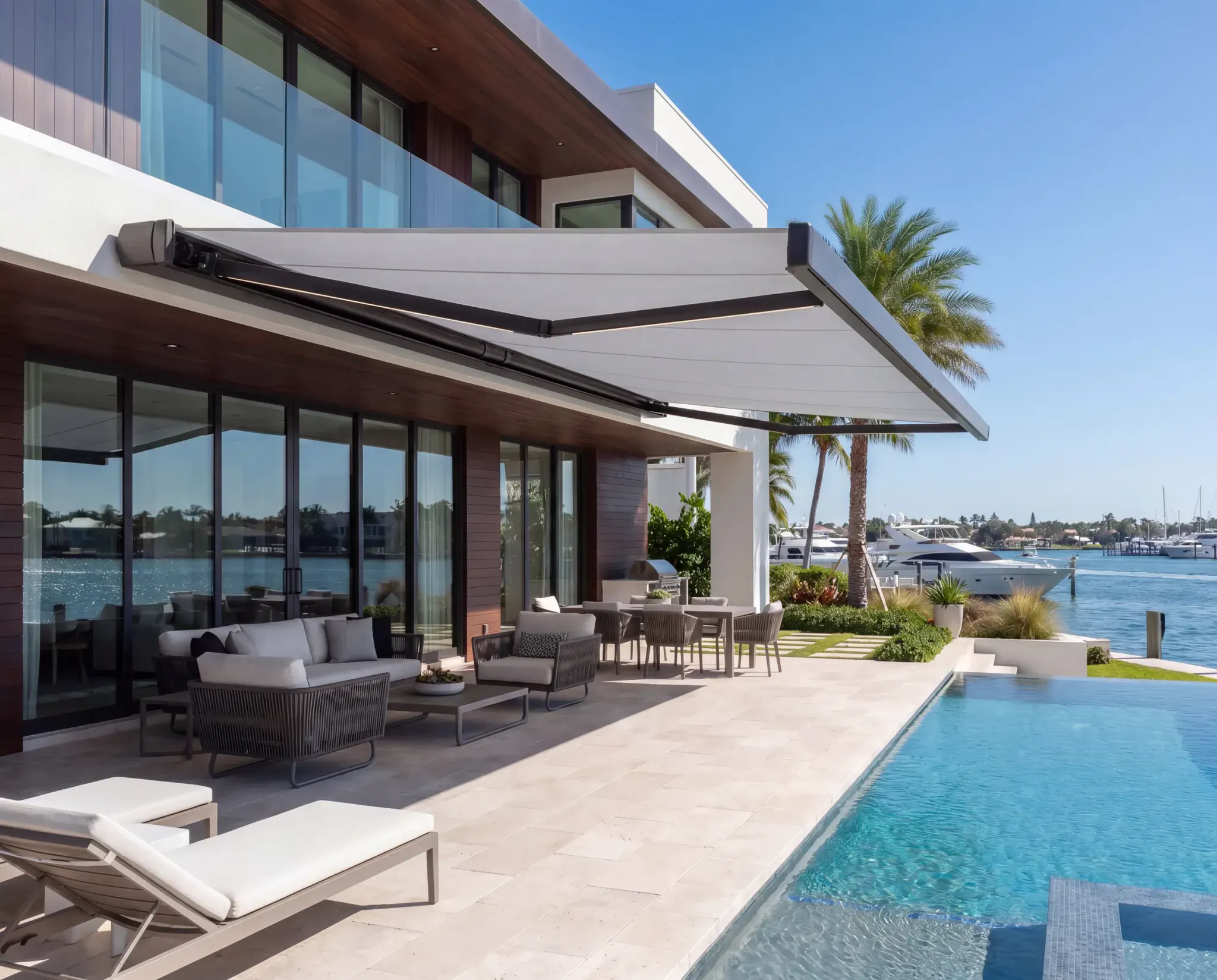
Choose an interior shade for the room-side opening and an exterior screen for the outdoor conditions. Inside, review recess depth, handles, headrail appearance and any drapery you already have. Outside, include exposure, mounting structure, housing and guides. Have the installer confirm that the specified fabric and assembly suit the intended location. ProFloors coordinates the installation, with one project manager from your first visit to the finished shade, and measures every window at home before you order.
ProFloors offers interior window treatments and SunPro exterior solar-screen configurations. Use the interior window treatments page for the room-side choices, and identify any lanai openings separately. In a condominium, association rules govern the exterior-visible appearance. Obtain the current requirements from your association manager before settling on color, backing or mounting.
Plan operation and outdoor weather care.
Choose motorized operation for frequent adjustments or difficult reach, and consider manual operation where access is easy. Identify who will move the shade and the control they prefer. Specify power and charging separately from the fabric: the term solar shade describes sun control, while solar-powered operation describes the motor’s charging arrangement.
For outdoor operation, follow the exact product’s weather instructions. SunPro directs users to raise open-roller screens during high winds and retract accompanying awnings in high wind or inclement weather. Its open-roller system provides sun protection, not an insect or rain enclosure. Keep these outdoor shade systems separate from the property’s storm-protection plan.
Bring a fabric brief to the showroom.
The view
Bring a straight-on opening photo and one taken from your usual chair or desk, with the time of day noted.
The privacy need
Identify rooms used after dark and nearby paths, properties or balconies with a view toward the opening.
The finish palette
Bring flooring, upholstery and paint references, along with any association color requirements, to compare the fabric in context.
Use your showroom conversation to compare the view through fabric alongside your finish references. Describe the priority plainly: less television glare, a screened daytime view or reduced sun on a particular floor. Review the exact style, color, openness and care instructions before ordering, with your room photos beside the proposed specification.
Sources (5)
- Phifer: interior sun-control technical FAQ
Explains fabric color, glare control and product-specific UV performance related to fading.
- Phifer: solar fabric privacy
Explains openness, light contrast and the limits of mesh privacy after dark.
- Building America: shading and solar control
Supports orientation-specific shading and the distinction between interior and exterior solar control.
- SunPro: open-roller screen use and care
Requires raising open-roller screens in high wind and distinguishes sun protection from insect or rain protection.
- SunPro: awning use and care
Supports retracting an accompanying awning during high wind and inclement weather.
Questions, answered.
Reviewed by Cedric Eckenrode, owner · Updated November 2026
The showroom
- 2033 Trade Center WayNorth Naples, FL 34109
- Mon–Fri 8am–5pmSat 10am–2pm
- Who sells solar shades in Naples?
- ProFloors & Cabinets sells solar shades, with its other shades and blinds, at 2033 Trade Center Way in North Naples. Hold the fabric samples up to daylight on the shade wall to judge openness and color; each window is then measured at home before you order, with one project manager through installation.
- What openness factor is best for solar shades?
- Choose the openness that gives you comfortable glare control and the view you want to keep. Look through actual samples in the proposed color, then check the fabric’s published performance. Openness describes the open area of the weave; it cannot establish nighttime privacy or the room’s energy savings by itself.
- Can you see through solar shades at night?
- Yes, solar mesh can allow a view into a lit room at night. The result depends on fabric color, openness and the light difference between inside and outside. If visual privacy matters, plan an opaque treatment or second layer and assess the completed opening from the relevant outside viewpoint.
- Do solar shades stop floors and furniture from fading?
- Solar shades can reduce UV exposure that contributes to fading, but they cannot promise that finishes will never change color. Performance varies by fabric, openness and coverage. Check the selected fabric’s published data and consider how long the floor or furniture remains exposed while the shade is raised.
- Are solar shades the same as solar-powered shades?
- No, solar shades describe a sun-control fabric or treatment, while solar-powered shades describe a motor’s charging arrangement. A solar fabric can use manual operation or a compatible motor. Confirm the power source separately, including battery access, charging requirements and whether the particular system accepts a solar charging accessory.
- One project managerFrom selection through installation
- No cost to come in and askBring your questions, photos or plans
- Trade buys here tooYour builder or designer can buy here
5.0· 46 Google reviewsBBB A+ AccreditedFamily-owned since 1998


Keep reading
All guides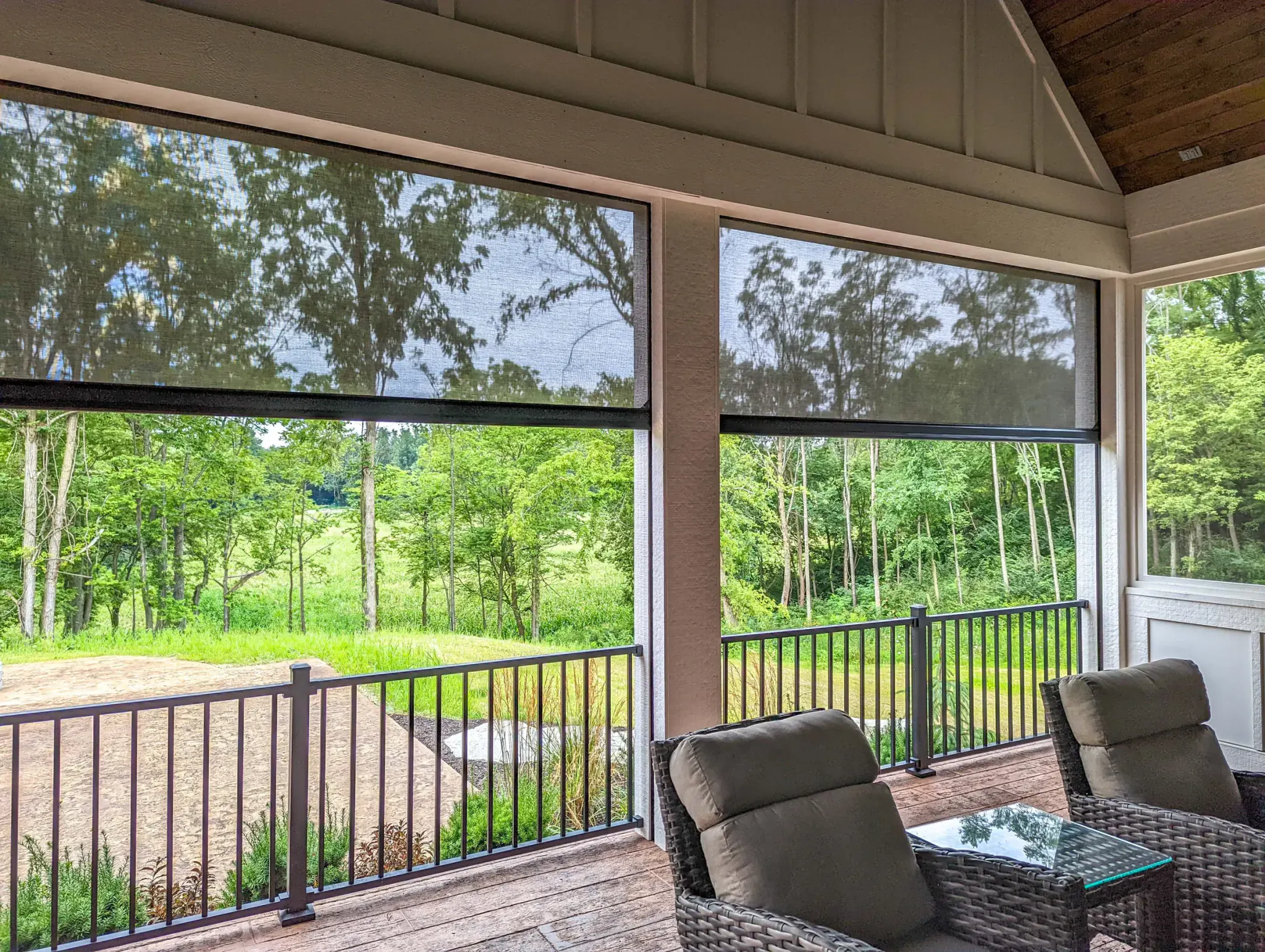
Bring your questions to the showroom.
Solar shades in Naples: choose glare control and privacy.