
Shades and outdoor living · 6 min read
Motorized vs manual shades: choose by room and routine
Choose motorization for difficult reach or frequent adjustments, and manual operation for accessible windows with a simple routine.

Reviewed by Cedric Eckenrode, ownerUpdated November 2026
The short answer
Choose motorized shades for windows that are hard to reach, adjusted often or operated together, and manual shades for easy-to-reach windows. You can mix both in one Naples home. Pick the fabric first: the motor changes how a shade moves, not how much heat it blocks. Raise and lower full-size shades at ProFloors & Cabinets in North Naples.
Choose motorized shades for difficult reach, frequent adjustments or windows you want to operate together. Choose manual shades for accessible windows with a simple routine. Select fabric and coverage for glare and privacy first, then choose how each shade moves.
Compare the operation you will use daily.
Motorized shades
Manual shades
Everyday adjustment
Motorized shades: Operate through the specified remote, wall control or compatible system.
Manual shades: Operated by hand at the shade’s own lift or operating mechanism.
Several openings
Motorized shades: Compatible controls can move a group of shades together.
Manual shades: Adjust each treatment at its own operating point.
Power
Motorized shades: Requires the selected battery or electrical supply.
Manual shades: The manual lift does not require motor power.
Scheduling
Motorized shades: Available only with a compatible motor and control package.
Manual shades: Someone needs to be present to make the adjustment.
Upkeep
Motorized shades: Includes power or battery access and control equipment alongside shade care.
Manual shades: Includes the operating mechanism and fabric care.
Glare and privacy
Motorized shades: Determined by the fabric, fit and shade position.
Manual shades: Also determined by the fabric, fit and shade position.
ProFloors offers both motorized and manual interior window treatments. Compare them against the same room goals: the view you want, the privacy required and how often the shade moves. Hold fabric and coverage consistent across the options so you can judge the benefit of the operating method clearly.
Decide room by room.
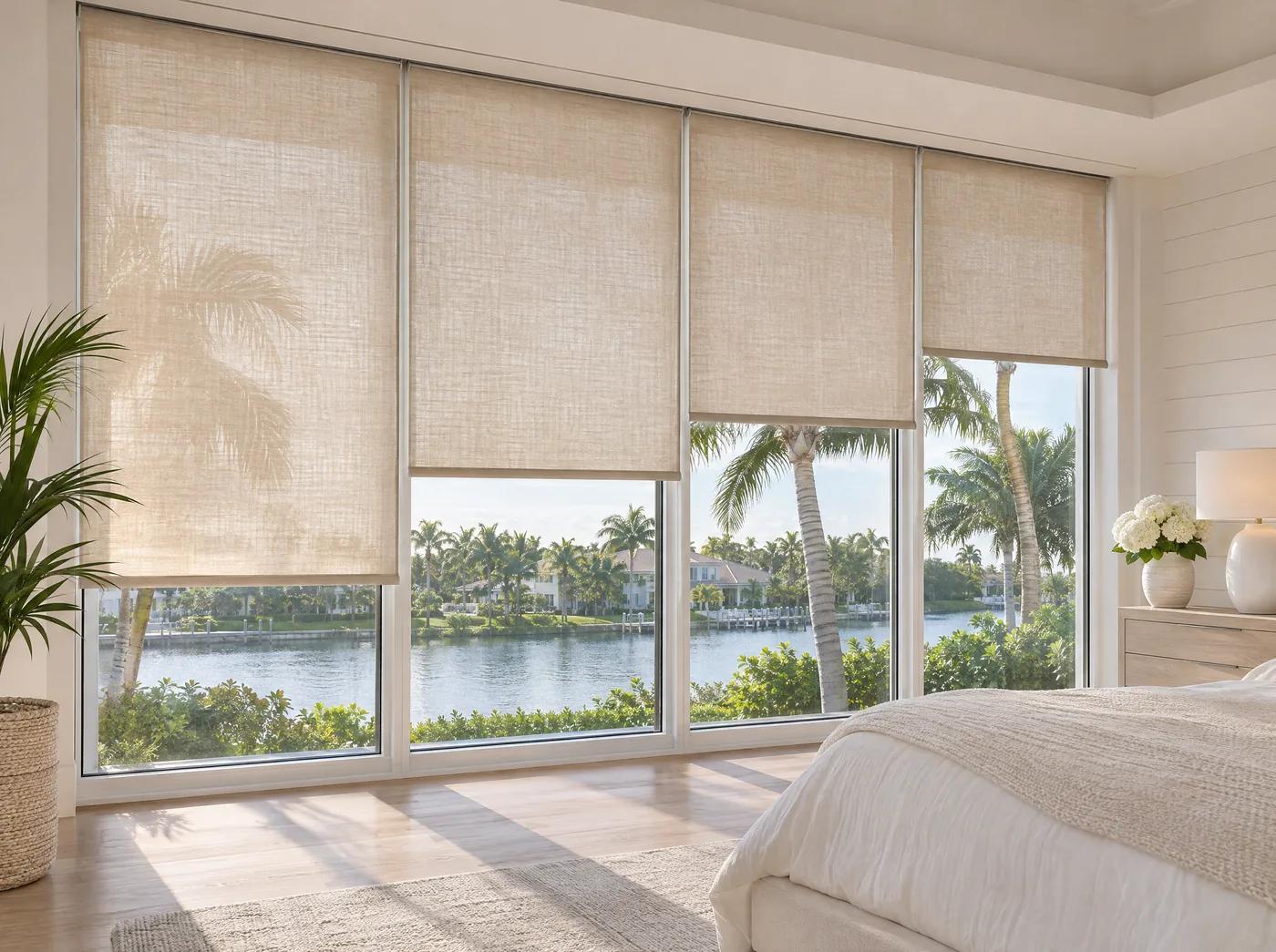
Start with the windows you leave unadjusted because reaching them is awkward. A deep sofa can make one shade difficult to use while the next opening is comfortable to reach by hand. List the windows room by room with furniture in place, then give powered operation to the openings where it solves that problem.
Large living-room group
Choose a compatible motorized group for windows you want to adjust together when glare arrives. Include individual control in your specification if only one part of the room sometimes needs screening.
One accessible window
Try the manual mechanism for a window you adjust occasionally. Check reach with the room furnished, and make sure everyone using that shade can operate it comfortably.
Seasonal residence
Choose local operation, scheduled movement or access while away according to your routine. Have the installer identify the equipment and connectivity needed, and name the person who looks after it between visits.
Keep the fabric decision separate.
Choose solar mesh for daytime sun control and an appropriate opaque fabric where visual screening is the priority. Openness describes the open area of the weave; color and lighting also affect visibility. A manual opaque treatment can provide more screening than a motorized sheer. The fabric choice comes before the lift mechanism.
For sunny Naples rooms, review glare, solar heat and UV exposure separately. Sun-control fabric can reduce exposure to floors and furnishings, and motorization can make timely adjustments easier. Judge protection by the selected fabric and assembly’s published performance. Powered movement alone cannot promise a particular energy saving or prevent every change in a finish’s color.
Plan an opaque layer for privacy in a lit room after dark. The fabric manufacturer’s published guidance explains that interior lighting can reverse the view through solar mesh at night. Include that layer in both operating options. Use the solar-shades guide for a closer look at openness, color and light contrast.
Review installation and ongoing access.
Review mounting for either operating method. For motorization, add the power source and controls to that review. Manufacturers’ published motor information describes battery-powered and wired approaches; ask the installer to confirm the motor and supply requirements for your chosen product. Decide from that specification and the opening’s access conditions.
For rechargeable operation, locate the charging connection with furniture and drapery in place. For wired operation, identify cable routes and responsibility for electrical work. Resolve those details before remodel finishes close access. Include the route for future charging and service in the plan alongside the appearance of the headrail.
Choose upkeep you can manage. Review battery charging, control replacement or pairing, and whom to contact about a mechanical problem. Both operating methods need care for the fabric and mechanism. Warranty terms come from the manufacturer and vary by product; review the documents for the shade, motor and controls under consideration.
Plan outages and outdoor weather behavior.
Choose manual operation where independence from motor power matters. For a motorized shade, keep the selected system’s procedures for depleted batteries, lost power and lost connectivity. These are different situations, and a hand-operated override is available only where the manufacturer specifies one. Learn the procedure for that product before you need it.
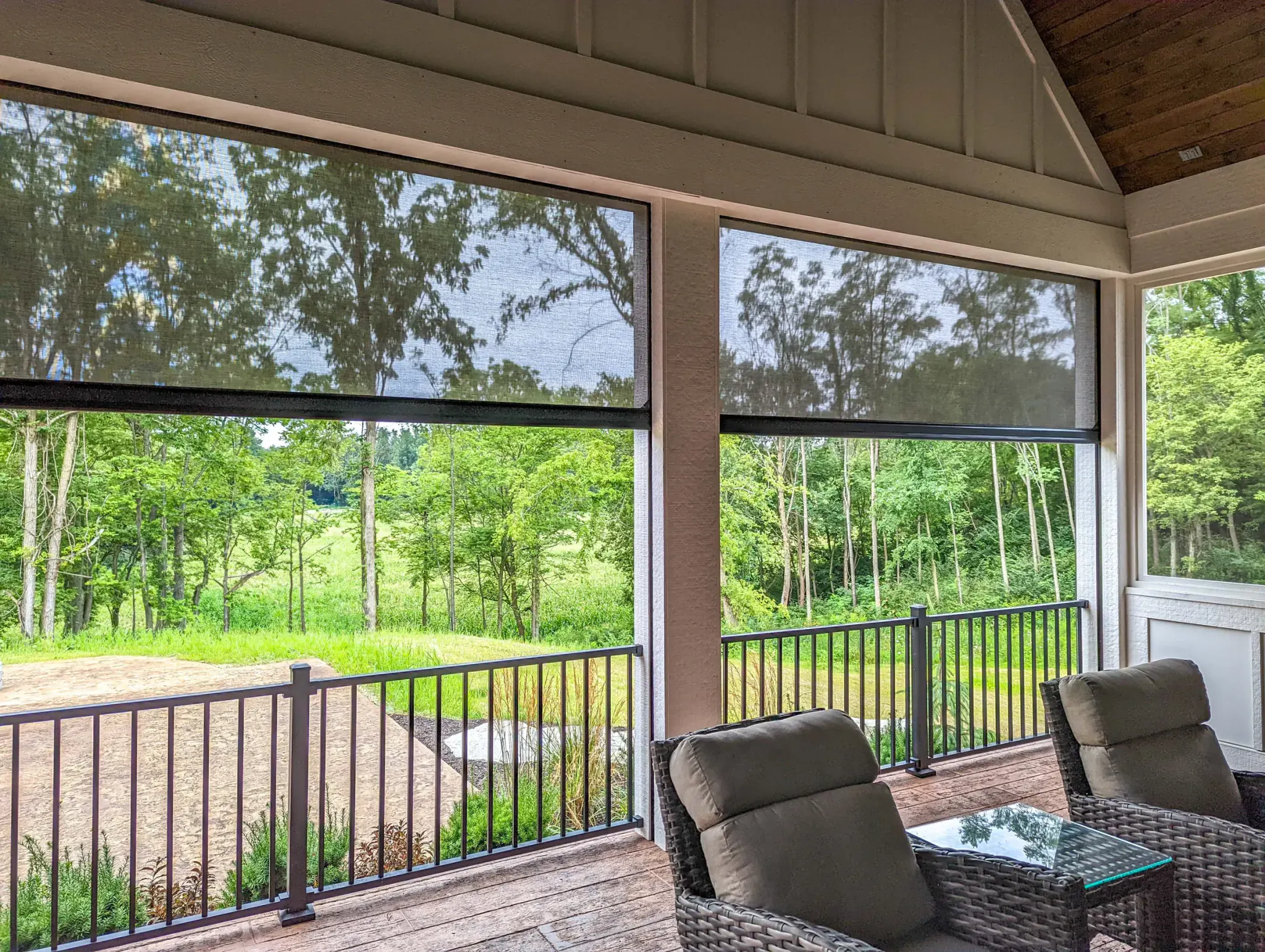
For outdoor choices, identify the screen type first. ProFloors’ SunPro open-roller configuration includes motorized, rechargeable solar and manual-crank options for sun control, not an insect or rain enclosure. Guided screens need their own configuration and operating specification. Match the purpose of the system before choosing how to raise and lower it.
Plan to raise ordinary screens in high winds and retract awnings in high wind or inclement weather, following SunPro’s care guidance. These shade systems are not storm protection. An awning wind sensor is not foolproof, so whoever manages the property needs the instructions and a plan to act before bad weather.
Compare complete proposals for the same room.
- Are the fabric, color, openness or opacity and intended coverage the same?
- Does each option identify the mounting position and the space the raised shade occupies?
- For the motorized option, are the power supply, controls and requested functions specified?
- Which electrical or finish work is included, and what must be arranged separately?
- What care documents and product-specific manufacturer warranty terms apply?
Use the motorized-shades planning guide to work through power and controls once you have identified the windows that benefit. At each opening, connect the requested function to a daily task: moving several shades together, reaching a high window or adjusting the room on a schedule.
Bring a shade schedule to the showroom.
Bring a window list with room photos, the times you want light control and a note where reach is difficult. Mark each opening manual preferred, motorized preferred or undecided. Include existing home-control equipment. For a condo, obtain current appearance requirements from your association manager; association rules govern the visible treatment.
At the Naples showroom, discuss your schedule alongside fabric and mounting choices. ProFloors provides one project manager from selection through installation. Review which rooms benefit from powered operation and which are comfortable by hand, then identify the opening and power details the installer needs to check before ordering.
Sources (5)
- Somfy: battery-powered shade technology
Illustrates local battery power, grouped movement and compatible control choices as general planning references.
- Somfy: wired shade technology
Describes electrical supply and wall-control requirements separately from fabric selection.
- Phifer: solar fabric and privacy
Explains solar-fabric performance, openness, color and nighttime visibility independent of the lift mechanism.
- SunPro: motorized screen care
Recommends raising ordinary outdoor screens during high winds.
- SunPro: retractable awning care
Supports weather-aware retraction and the limits of relying on a wind sensor.
Questions, answered.
Reviewed by Cedric Eckenrode, owner · Updated November 2026
The showroom
- 2033 Trade Center WayNorth Naples, FL 34109
- Mon–Fri 8am–5pmSat 10am–2pm
- Are motorized shades better than manual shades?
- Motorized shades are better suited to some routines, especially frequent adjustments, difficult reach and grouped windows. Manual shades can work well where access is easy and operation is simple. Compare the same fabric and coverage on both options, then judge whether the additional powered functions solve a problem you actually have.
- Do motorized shades block more heat than manual shades?
- Motorization alone does not give a shade a higher heat-control rating. Fabric, placement, fit and shade position determine the solar-control result. Powered operation may help you adjust the shade when needed, but compare published performance for the selected fabric and assembly rather than attributing a saving to the motor.
- Can I mix motorized and manual shades in one home?
- Yes, you can plan different operating methods for different rooms, subject to the selected products’ options. Consider powered operation for high or grouped windows and manual operation where reach and routine are straightforward. Compare fabric appearance and mounting together if neighboring openings need to look coordinated when raised or lowered.
- Can motorized shades be operated manually if power fails?
- Some systems have a manufacturer-defined override, but you should not assume that every motorized shade can be moved by hand. Confirm the exact product’s instructions and power source before ordering. A remote-control failure, a depleted motor battery and an outage at the property may each require a different response.
- One project managerFrom selection through installation
- No cost to come in and askBring your questions, photos or plans
- Trade buys here tooYour builder or designer can buy here
5.0· 46 Google reviewsBBB A+ AccreditedFamily-owned since 1998


Bring your questions to the showroom.
Motorized vs manual shades: choose by room and routine.