
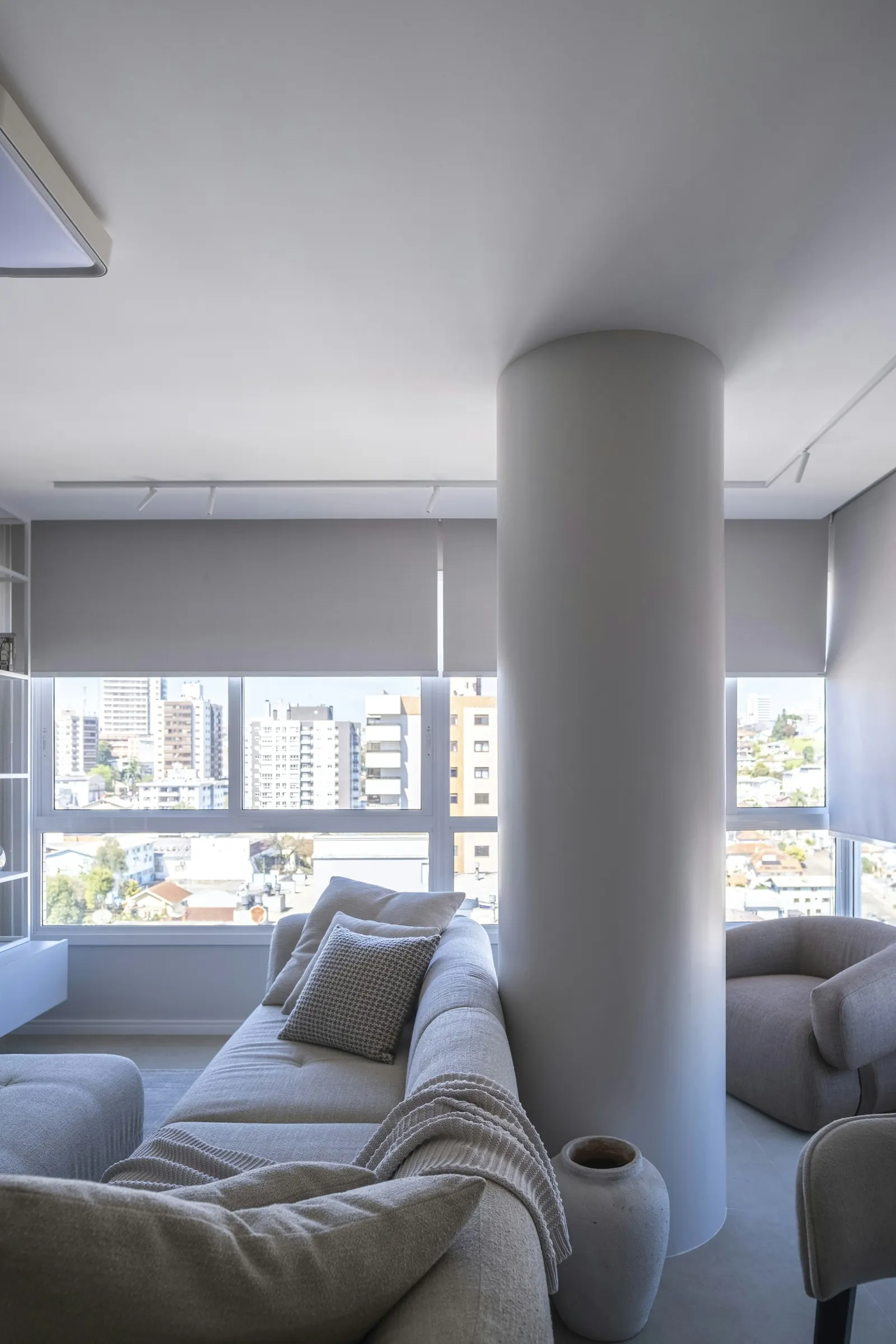
 roller shades
Shades and outdoor living · 6 min read
Motorized shades in Naples: fabric, power and controls
Choose shades for your light, privacy and routine, with one project manager from selection through installation.

Reviewed by Cedric Eckenrode, ownerUpdated November 2026
The short answer
Motorized shades suit Naples windows you adjust often, cannot reach easily or want to operate together. Choose the fabric for glare and privacy first, then the motor, power source and controls. Some run on batteries; others need wiring. Check how the system behaves in a power outage. ProFloors & Cabinets measures every window at home before you order.
Motorization changes how a shade moves; its fabric and coverage determine how it manages sunlight.
Choose the windows that benefit most.
Prioritize windows with frequent adjustments or awkward reach. Afternoon glare in the living room, bedroom privacy and a shade behind a chair each give powered operation a clear purpose. Walk through a normal day in the house and note where moving a shade would make the room easier to use.
For a Naples second home, plan for the time you are away as well as the days you are there. Choose between local operation, scheduled movement and access from outside the property. ProFloors offers motorized and manual window treatments (shades and blinds), so you can choose the operating method room by room.
Match fabric to glare and privacy.
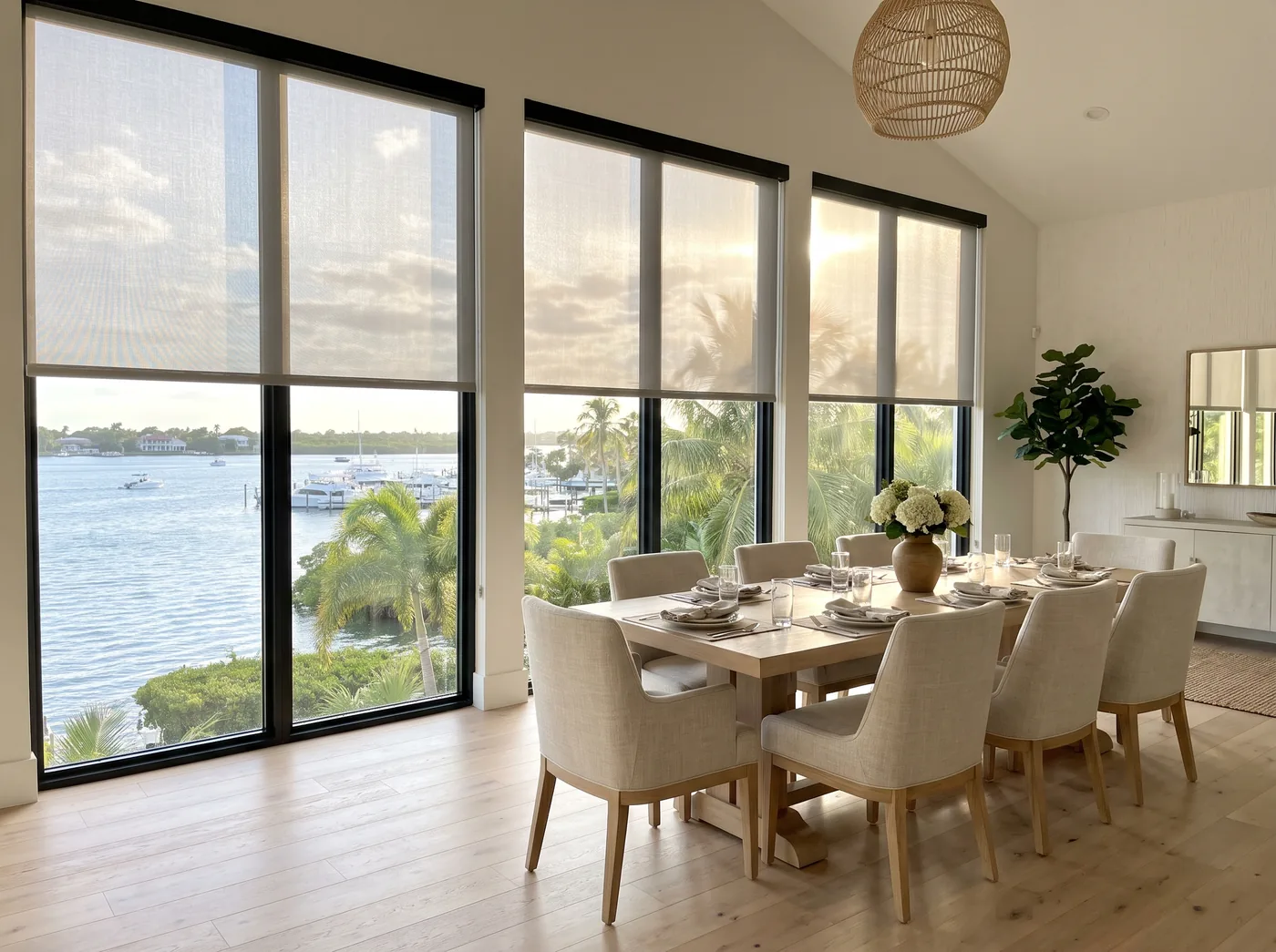
Choose solar mesh where you want softer glare and some outward view. Fabric color, openness and the difference between indoor and outdoor light shape that view. Openness describes the open area of the weave. Look through the actual fabric toward the light to judge how it suits the room.
For a bedroom or a room facing a neighboring balcony, plan a separate opaque privacy layer. The fabric manufacturer's published guidance explains that interior lighting can reverse the view through solar mesh after dark. If sleep darkness matters, include the mounting edges; room-darkening fabric alone cannot close every line of light.
Sun-control fabric can reduce UV exposure to floors, upholstery and other finishes. Use the selected fabric’s published performance to judge protection, and keep it lowered when those surfaces receive sun. Reduced exposure can slow fading, but it cannot guarantee that wood or fabric will never change color.
Judge heat control by the fabric, glazing, coverage and usual shade position. Glare reduction is a separate performance question. A motor makes it easier to lower the fabric when needed; use the proposed shade assembly’s published information to assess how it manages the sun’s heat.
Plan the power source and access.
Plan power around the chosen shade and opening. Manufacturers' published motor information describes rechargeable motors that store power locally and wired systems that require an electrical connection. Have the installer confirm compatibility with the selected treatment, then settle how you will reach the power connection after installation.
Battery access
Locate the battery or charging connection with furniture in place. Confirm the charging procedure and interval for the actual motor so you can plan access between visits.
Wired power
Identify the supply, cable route and visible connections with the installer. Agree on who provides the electrical work and when, before a new ceiling or wall finish closes access.
Existing treatments
Bring the headrail label and clear bracket photographs if you want to keep a shade. Ask the installer to check the complete assembly for motor compatibility before planning a retrofit.
Specify how you want control to work.
Choose the functions you will use: a bedside remote, a wall control, grouped living-room windows, a daily schedule or phone access. Motor power and control communication are separate choices. Specify each function with the compatible controls and equipment it requires, including any connection to an existing home system.
Bring the names of your existing automation equipment to the installer. Identify the motor, controller and gateway needed for each function, including what works locally and what needs the internet. Before using the system, learn how to stop movement, operate one shade separately and change a schedule for a different season or travel plan.
Check mounting before approving the order.
Photograph the whole opening, including handles, trim, drapery and nearby doors. Review the headrail, rolled fabric and charging access with the installer. At sliding glass doors, leave the passage people need while the treatment is in use. Bring rough measurements for the first conversation; final dimensions depend on the actual mounting conditions.
In a condominium, the association’s current rules govern what shows from outside (such as shade backing and hardware) and installation access. Obtain those requirements from your association manager before finalizing the treatment. Give the installer the approved appearance requirements alongside the opening photos so fabric, bracket location and cable routing can be considered together.
Prepare for weather and power interruptions.
Keep the selected shade’s instructions for a depleted battery, a power outage and a lost gateway connection. These can affect operation differently, and manual movement is available only where the manufacturer specifies it. A manual interior shade does not rely on motor power. Interior shades provide light control, not wind or impact protection.
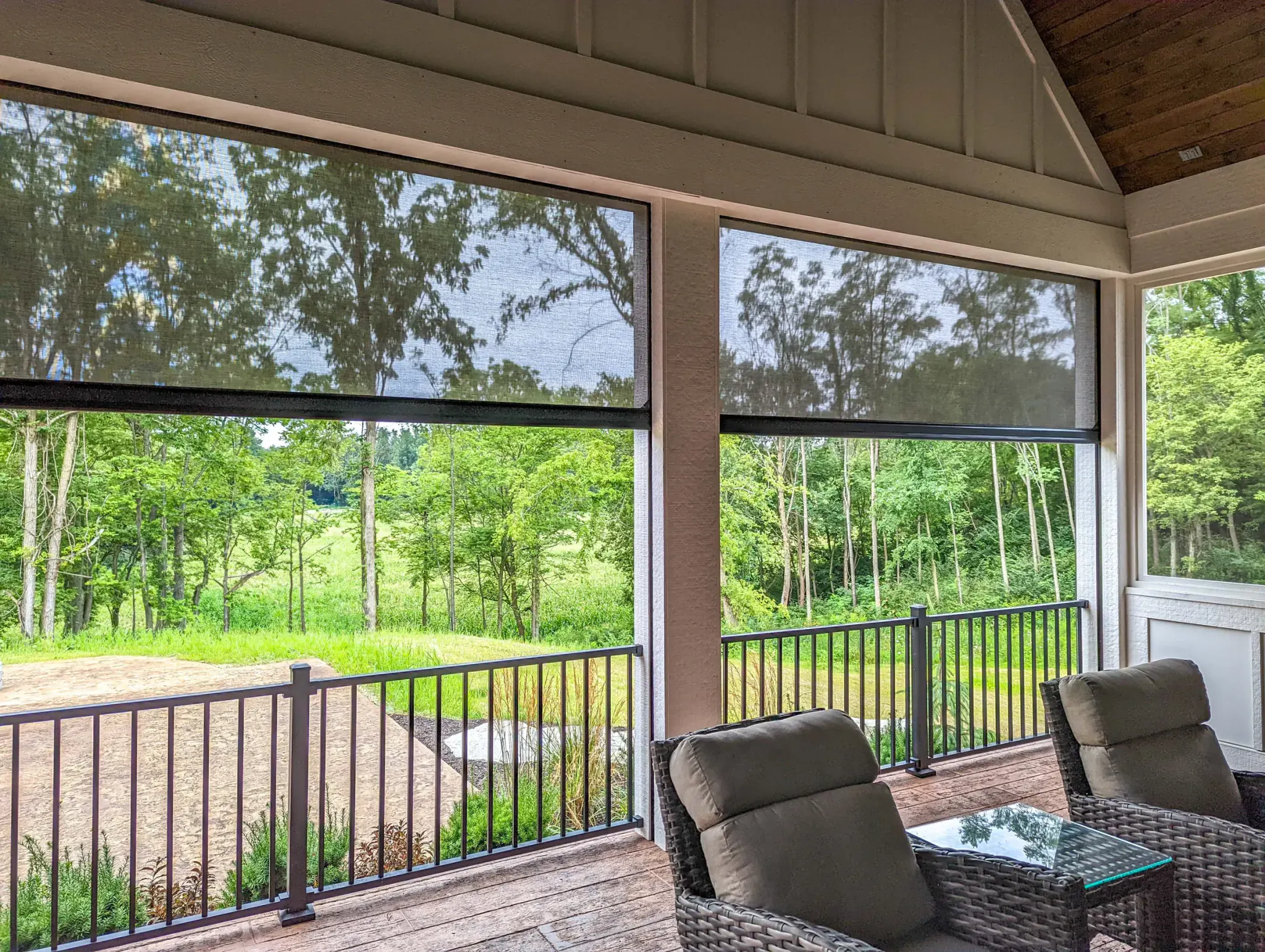
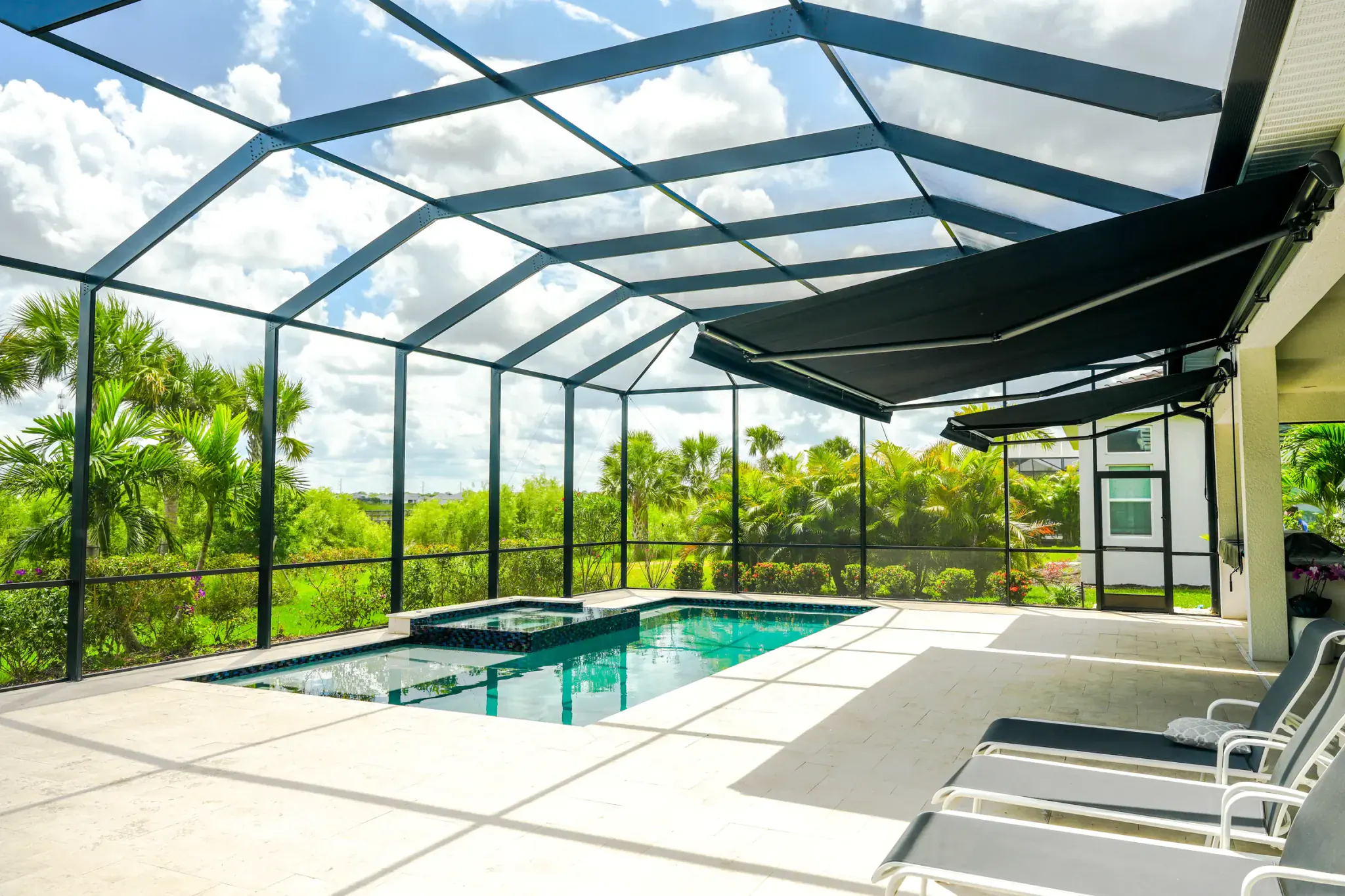
For outdoor openings, start with ProFloors’ motorized screens and awnings. SunPro’s care guides recommend raising ordinary motorized screens in high winds and retracting awnings in high wind or inclement weather. A wind sensor is not foolproof, so include a person responsible for retraction in your outdoor operating plan.
Bring a room-by-room showroom brief.
Bring window photos, a floor plan if available and your existing home-control equipment list. For each room, note the glare problem, privacy need and preferred control. Include who will recharge batteries or manage the system while you are away. Your brief should show where powered operation solves a daily problem and where manual operation is comfortable.
ProFloors provides one project manager from selection through installation. Use your showroom visit to discuss fabric, mounting, power and the functions you want in each room. Review the selected manufacturer’s care and warranty documents before ordering; warranties come from the manufacturer and vary by product.
Sources (5)
- Somfy: WireFree motor technology
General manufacturer reference for battery power, grouped operation and compatible controls.
- Somfy: wired technology
Explains wired motor power and wall controls as distinct specification choices.
- Phifer: solar fabric and privacy
Explains how openness, color and relative lighting affect solar fabric visibility and privacy.
- SunPro: motorized screen use and care
Recommends raising ordinary motorized screens during high winds.
- SunPro: retractable awning use and care
Requires weather-aware retraction and explains that a wind sensor is not foolproof.
Questions, answered.
Reviewed by Cedric Eckenrode, owner · Updated November 2026
The showroom
- 2033 Trade Center WayNorth Naples, FL 34109
- Mon–Fri 8am–5pmSat 10am–2pm
- Who sells motorized shades in Naples?
- ProFloors & Cabinets sells motorized and manual shades and blinds at its showroom at 2033 Trade Center Way in North Naples, beside its flooring, tile and cabinets. Raise and lower full-size shades there; every window is then measured at home before you order, with one project manager from selection through installation.
- Are motorized shades worth it in Naples?
- Motorized shades can be worthwhile for hard-to-reach windows, frequently adjusted rooms and groups of shades you want to operate together. Their value depends on your routine and the selected controls. Choose the fabric for sunlight and privacy first, then decide where powered operation makes daily use easier.
- Do motorized shades need electrical wiring?
- Some motorized shades use batteries, while others require a wired power supply. The shade size, compatible motor and access for charging or wiring determine the appropriate option. Confirm the exact package before ordering, including who provides any electrical work and how the power connection will be reached later.
- Will motorized shades work during a power outage?
- It depends on the shade’s power source and controls. Check the selected system’s instructions for a power outage, a depleted battery and a lost internet connection, and use a manual override only where the manufacturer specifies one. A manual shade does not rely on motor power.
- Do motorized solar shades provide privacy at night?
- Motorized solar mesh does not guarantee nighttime privacy. Visibility through the fabric changes with openness, color and the relative light on each side; a brightly lit room can be visible from outside. Ask for an opaque privacy layer or a different fabric where nighttime screening is important.
- One project managerFrom selection through installation
- No cost to come in and askBring your questions, photos or plans
- Trade buys here tooYour builder or designer can buy here
5.0· 46 Google reviewsBBB A+ AccreditedFamily-owned since 1998


Bring your questions to the showroom.
Motorized shades in Naples: plan the fabric, power and controls.