Two flooring prices can cover very different work. Before choosing between them, compare the exact material, preparation, installation, transitions and responsibilities. A clear written scope makes the conversation more useful than comparing a square-foot number alone.
Compare the same scope.
Ask the team to identify what is included, what is excluded and which conditions could change the work. A preliminary estimate and a final measured scope serve different purposes. If something is still unknown, make the next step explicit.
- Product: manufacturer, collection, color, grade, format and quantity assumptions.
- Preparation: existing-floor removal, disposal, subfloor repair or flattening and any specified moisture-control system.
- Finishing details: stairs, thresholds, transitions, baseboards and door clearances.
- Handling: furniture, appliances, deliveries, storage and protection of adjoining rooms.
- Changes: how an unforeseen condition or changed selection is documented and priced before work proceeds.
Name the team responsible for your project.
Ask who coordinates selections, ordering and installation, and who answers a question if plans change. At ProFloors, one project manager coordinates the job from selection through installation. Confirm the communication arrangements and the responsibilities of any other trades in the written plan.
- 01Your point of contact
Keep the project manager’s contact details with your scope and selections.
- 02The work at the property
Ask who will carry out each part of the job and what site access they need.
- 03Decisions and changes
Identify who can approve a substitution, extra preparation or a schedule change.
Make site preparation part of the discussion.
For a concrete slab, ask which assessment and moisture-testing methods apply to your chosen flooring and installation system. For other subfloors, ask how condition and suitability will be checked. The answer should relate to the actual product instructions and site, rather than a single test or method promised for every property.
For a condominium, bring the current association or management requirements. Approval documents, acoustic requirements, work hours and delivery access can affect the plan. Agree who supplies each document and who confirms approval.
Separate a target date from a confirmed schedule.
Tell the team about closing dates, seasonal travel, furniture deliveries and other trades. Then ask which dependencies need to be resolved before the installation date is confirmed: material availability, measurements, property approval, site preparation and product-specific conditioning or cure requirements.
- Can the rooms remain occupied during the proposed work?
- What dust protection, cleanup and access arrangements are included?
- When can furniture, appliances and normal use return under the selected system’s instructions?
- How will the team communicate a change to the sequence?
Keep product, care and service records together.
Request the applicable manufacturer warranty and any written installation or service terms offered for your project. Confirm what they cover, what they exclude and whom to contact. A warranty label alone does not explain the terms.
Keep the final product selection, care instructions, change approvals and completion notes together. Ask about retaining labeled spare material and whether the product is suitable for the maintenance approach you prefer. Do not assume that a future replacement will have an identical color or batch.
Bring a clear project brief.
- Where is the property, and which rooms are included?
- What is staying: cabinets, tile, counters, furniture or adjacent flooring?
- What look and budget range are you aiming for?
- What dates or building requirements need to be considered?
- What would you like the team to help you decide first?
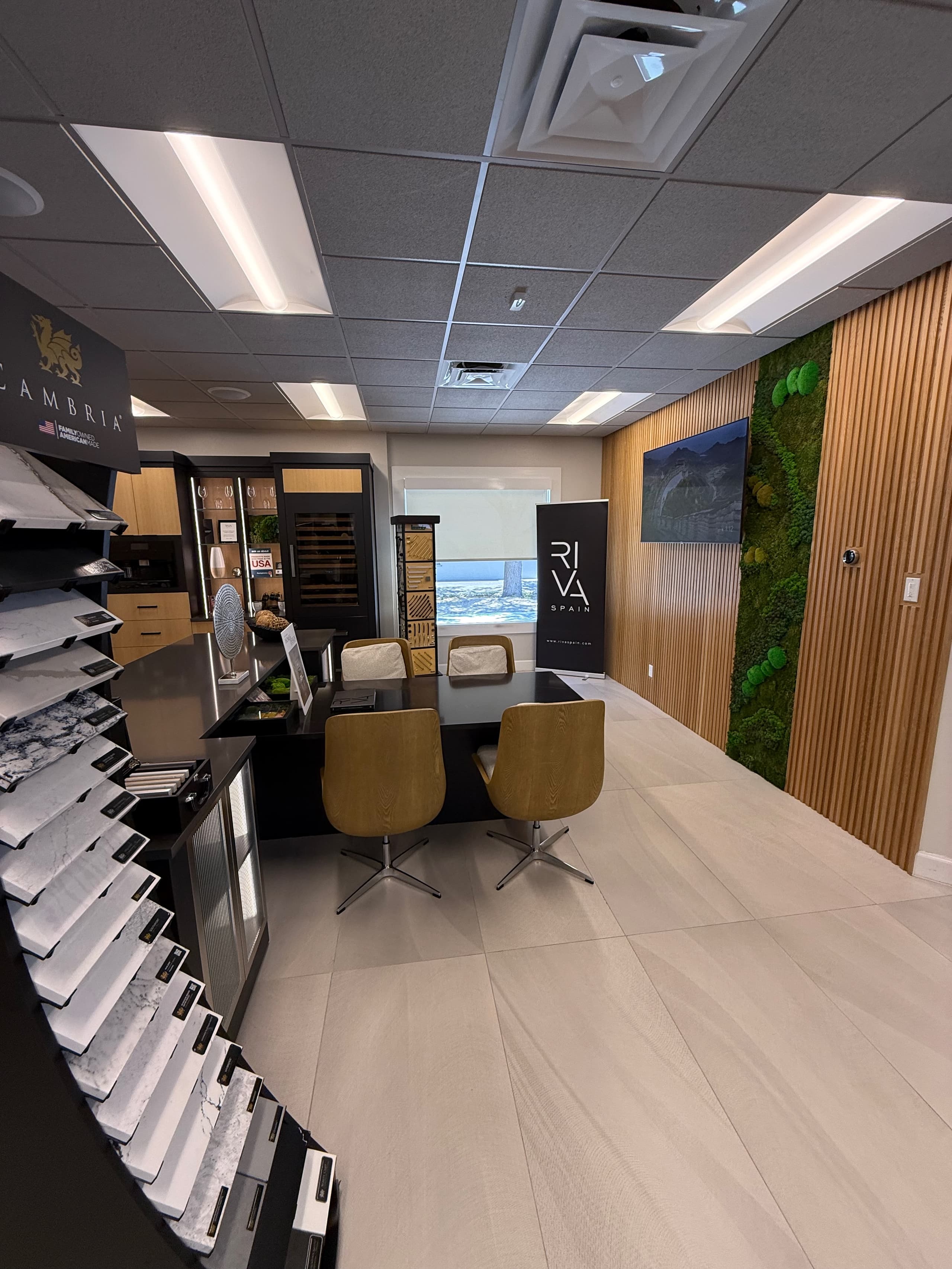
You can start at our showroom at 2033 Trade Center Way in Naples. Bring photos or plans and ask the team to help define the next step. A requested showroom visit is confirmed by the team before it becomes an appointment.
Sources & further reading
- National Wood Flooring Association: Installation Guidelines
Industry guidance on jobsite conditions, subfloor assessment, moisture and installation. Confirm the current requirements for the selected product and installation system.
- RIVA Spain: published engineered-floor installation instructions
General manufacturer reference. This document includes older collections; obtain the current instructions for the exact collection, including TIERRA, before specifying a method.